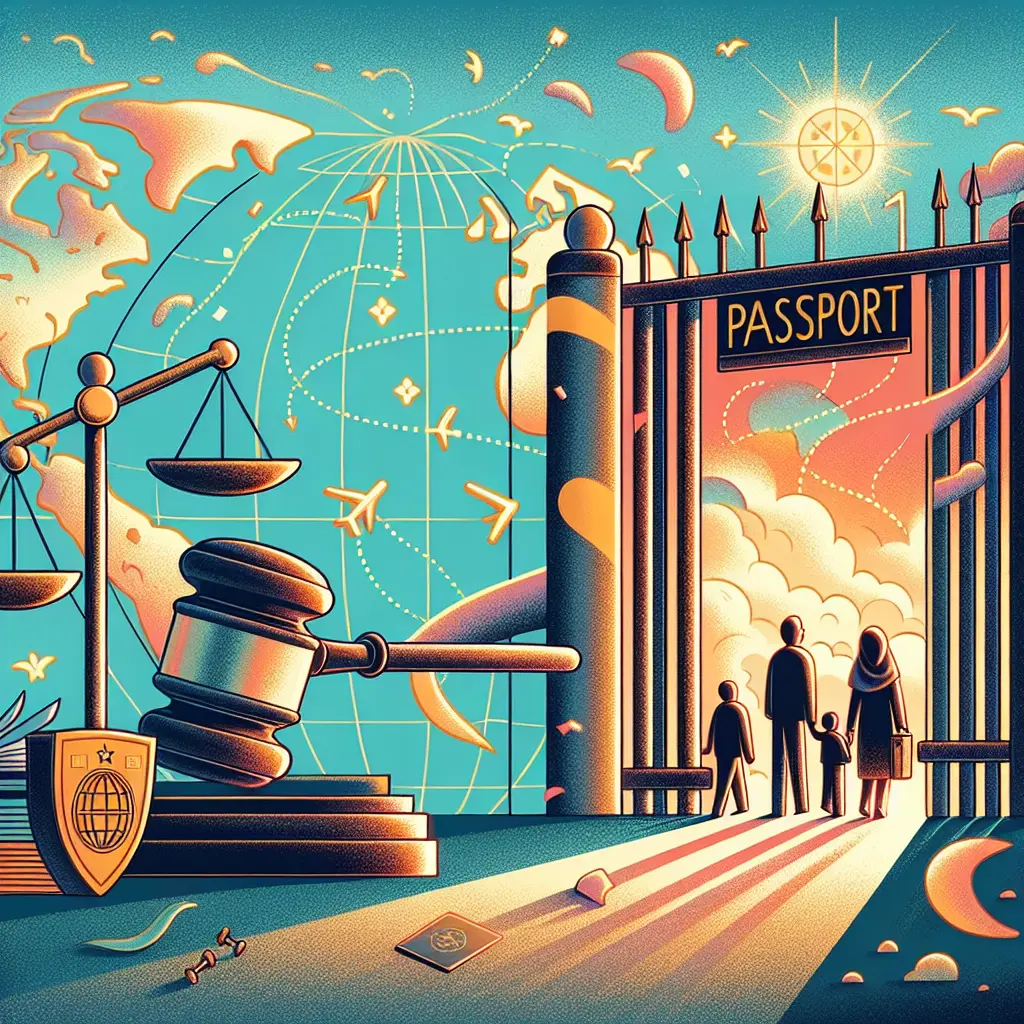
Legal Design & Access to Justice Innovation refers to the application of human-centered design principles to the legal field, aiming to make legal processes, documents, and systems more understandable, accessible, and user-friendly. By reimagining how legal services are delivered, this approach seeks to break down barriers that prevent people from understanding or asserting their legal rights, ultimately promoting fairer and more equitable access to justice for all.
Legal Design & Access to Justice Innovation
Legal Design & Access to Justice Innovation refers to the application of human-centered design principles to the legal field, aiming to make legal processes, documents, and systems more understandable, accessible, and user-friendly. By reimagining how legal services are delivered, this approach seeks to break down barriers that prevent people from understanding or asserting their legal rights, ultimately promoting fairer and more equitable access to justice for all.

💡 Key Takeaways
- Legal Design applies human-centered design to law to make processes, documents, and services easier to understand and use.
- Put users at the center by mapping journeys, identifying friction, and co-creating with diverse users.
- Use design techniques like plain language, clear visuals, and iterative prototyping to improve legal experiences.
- Improve access to justice by reducing confusion, speeding up workflows, and helping underserved groups access legal help.
- Consider implementation factors such as regulatory constraints, cross-disciplinary collaboration, and measuring impact.
❓ Frequently Asked Questions
What is legal design?
Legal design applies human-centered design to legal services, focusing on clear language, visual explanations, and simple processes to make laws, forms, and services easier to understand and use.
How does legal design improve access to justice?
By reducing complexity and cognitive load, it helps people understand their rights and options, complete forms accurately, and navigate legal services more efficiently.
What tools are commonly used in legal design?
Plain-language drafting, visual diagrams and infographics, user journey maps, prototype testing with real users, and accessible web/document design.
Who benefits from legal design and access to justice innovation?
Self-represented litigants, individuals with limited legal resources, small businesses, legal aid clients, and public institutions seeking clearer and faster services.