Lighting techniques in photography refer to the methods and strategies used to control and manipulate light to achieve desired visual effects in images. These techniques include the use of natural or artificial light sources, direction, intensity, color, and modifiers such as reflectors and diffusers. Mastery of lighting enhances mood, texture, depth, and focus, allowing photographers to creatively shape their compositions and effectively communicate their artistic vision within visual arts and design.
Lighting Techniques in Photography
Lighting techniques in photography refer to the methods and strategies used to control and manipulate light to achieve desired visual effects in images. These techniques include the use of natural or artificial light sources, direction, intensity, color, and modifiers such as reflectors and diffusers. Mastery of lighting enhances mood, texture, depth, and focus, allowing photographers to creatively shape their compositions and effectively communicate their artistic vision within visual arts and design.
💡 Key Takeaways
- Differentiate natural vs. artificial lighting and when each works best in photography.
- Explain key light, fill light, and backlight to shape mood, depth, and dimension.
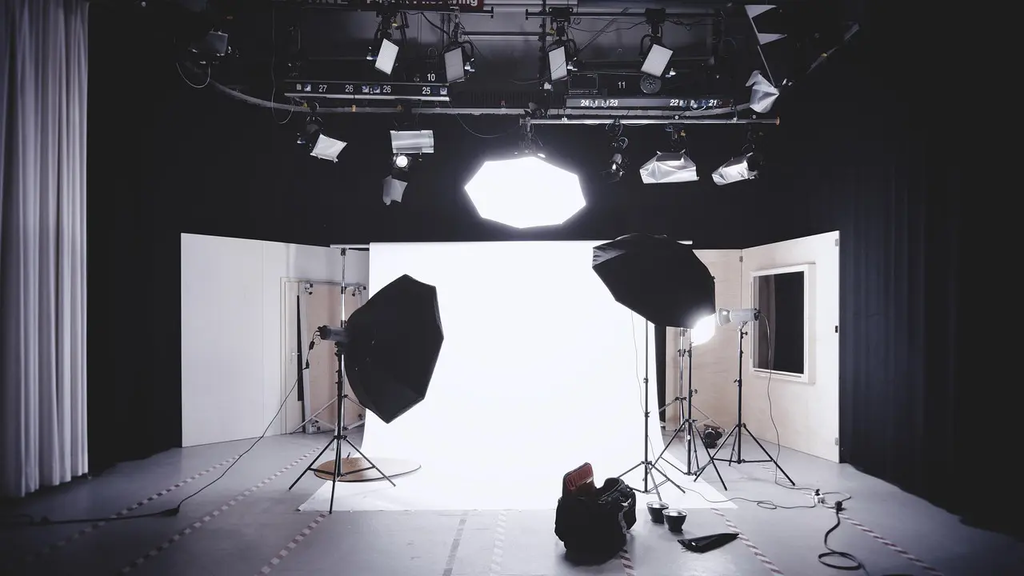
- Identify common light modifiers (softboxes, umbrellas, reflectors) and how they alter softness and direction.
- Understand exposure and white balance under different lighting to keep colors accurate.
❓ Frequently Asked Questions
What is the difference between a key light and a fill light?
The key light is the main light that defines the subject’s shape and mood. The fill light is a secondary light that brightens shadows and reduces contrast, usually softer and less intense than the key.
What is backlighting and why is it used in photography?
Backlighting places light behind the subject, creating separation from the background and often a rim of light. It can add depth and drama, depending on exposure.
How does light quality (soft vs hard) affect portraits, and how can you achieve each?
Soft light yields gentle shadows and flattering texture; hard light creates strong shadows and high contrast. Achieve soft light with large diffusers or shooting near a large window; use small, direct sources for hard light.
What is color temperature, and why is white balance important in lighting?
Color temperature measures the warmth or coolness of light in Kelvin. It affects the scene’s mood and color cast; white balance corrects or preserves that cast so whites look neutral.
Name common lighting modifiers and a quick note on what they do.
Softbox or umbrella softens and broadens light; a beauty dish provides directional, punchy light; grids focus light for control; reflectors fill shadows. Modifiers shape contrast and texture.