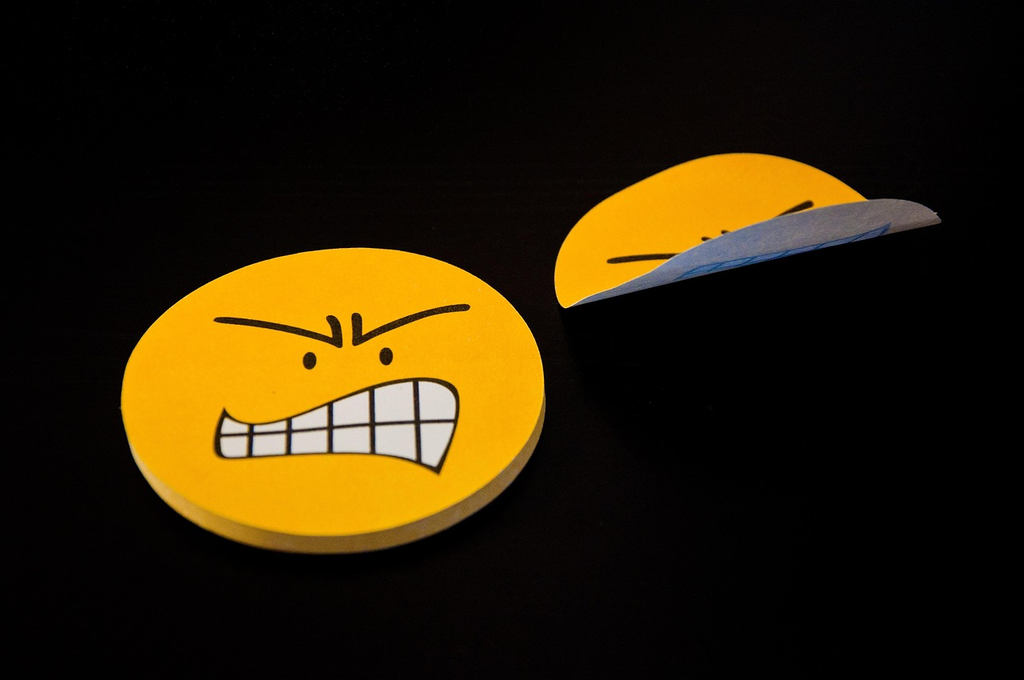
The linguistic analysis of the "thumbs down" emoji, alongside emotion emojis like smiles and tears, explores how digital symbols convey nuanced emotional feedback in online communication. While the thumbs down signals disapproval or disagreement, smiles and tears express positive or negative emotions. This analysis examines how these emojis function as nonverbal cues, influence tone, and shape interpersonal dynamics, enriching text-based interactions by providing context and emotional depth beyond words alone.
Linguistic Analysis of Thumbs Down
The linguistic analysis of the "thumbs down" emoji, alongside emotion emojis like smiles and tears, explores how digital symbols convey nuanced emotional feedback in online communication. While the thumbs down signals disapproval or disagreement, smiles and tears express positive or negative emotions. This analysis examines how these emojis function as nonverbal cues, influence tone, and shape interpersonal dynamics, enriching text-based interactions by providing context and emotional depth beyond words alone.

💡 Key Takeaways
- Understand the role of the thumbs-down gesture as a negative evaluation in linguistic and social contexts.
- Explore how gestures synchronize with speech to convey meaning in multimodal communication.
- Compare cultural and historical variations in interpreting thumbs-down across cultures and media.
- Learn research methods for analyzing gesture data, including coding schemes and inter-rater reliability.
❓ Frequently Asked Questions
What is the thumbs-down gesture and what does it typically convey?
A nonverbal signal of disapproval or negative evaluation; it is often interpreted as no or not okay, but the exact meaning can vary by context and culture.
How does the thumbs-down gesture function in conversations beyond spoken words?
It acts as an emblem in kinesics, conveying stance or attitude; it can modify the interpretation of what is said, signaling disagreement, dismissal, or a negative stance without speaking.
Do all cultures interpret thumbs-down the same way?
No. Cultural norms shape its meaning and force; in some contexts it signals strong disapproval, while in others it may be playful or misunderstood. Context, setting, and facial expression matter.
What methods do linguists use to study thumbs-down in discourse?
Researchers analyze video or audio recordings of interactions, code the gesture using multimodal frameworks (such as emblem categories), and examine timing relative to speech and cross-cultural variation.