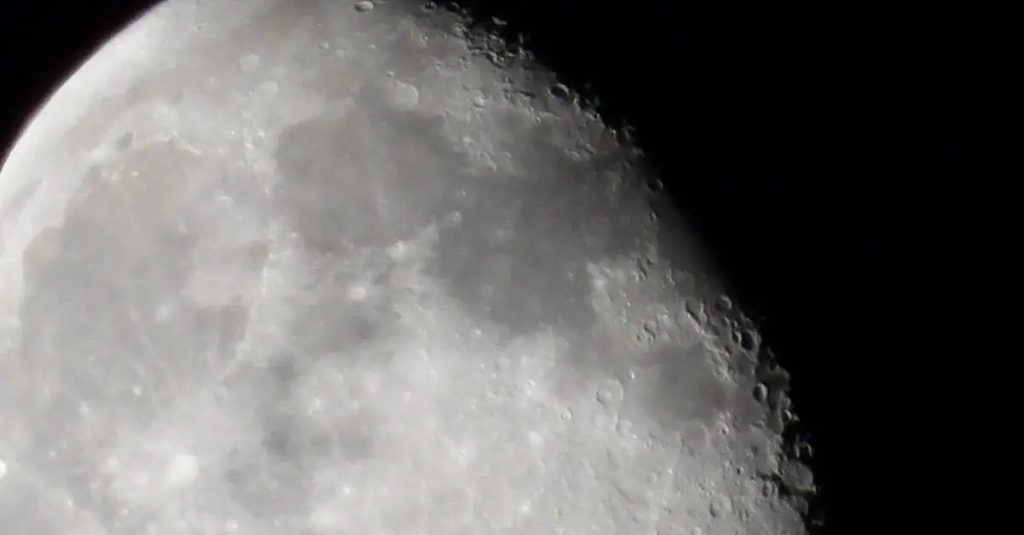
Lunar exploration history refers to the study and investigation of Earth’s Moon, beginning with early telescopic observations and advancing to robotic and crewed missions. Significant milestones include the Soviet Luna missions, which first reached and landed on the Moon, and NASA’s Apollo program, which achieved the first human moonwalk in 1969. These efforts have expanded our understanding of the Moon’s composition, origin, and its role within the broader context of the solar system.
Lunar Exploration History
Lunar exploration history refers to the study and investigation of Earth’s Moon, beginning with early telescopic observations and advancing to robotic and crewed missions. Significant milestones include the Soviet Luna missions, which first reached and landed on the Moon, and NASA’s Apollo program, which achieved the first human moonwalk in 1969. These efforts have expanded our understanding of the Moon’s composition, origin, and its role within the broader context of the solar system.
💡 Key Takeaways
- Trace key milestones in lunar exploration, from early robotic probes to crewed landings.
- Differentiate orbital missions, landers, and sample-return missions to understand their goals.
- See how missions mapped the Moon's surface and geology, including craters, maria, and regolith.
- Learn the technological breakthroughs—propulsion, navigation, life support, and communications—that enabled lunar exploration.
❓ Frequently Asked Questions
What was the first object to reach the Moon and when?
Luna 2, a Soviet spacecraft, became the first human-made object to reach the Moon in 1959 (it impacted the surface).
Which mission achieved the first successful soft landing on the Moon?
Luna 9, a Soviet mission in 1966, achieved the first successful soft landing and transmitted lunar surface images.
When did humans first land on the Moon and who were the astronauts?
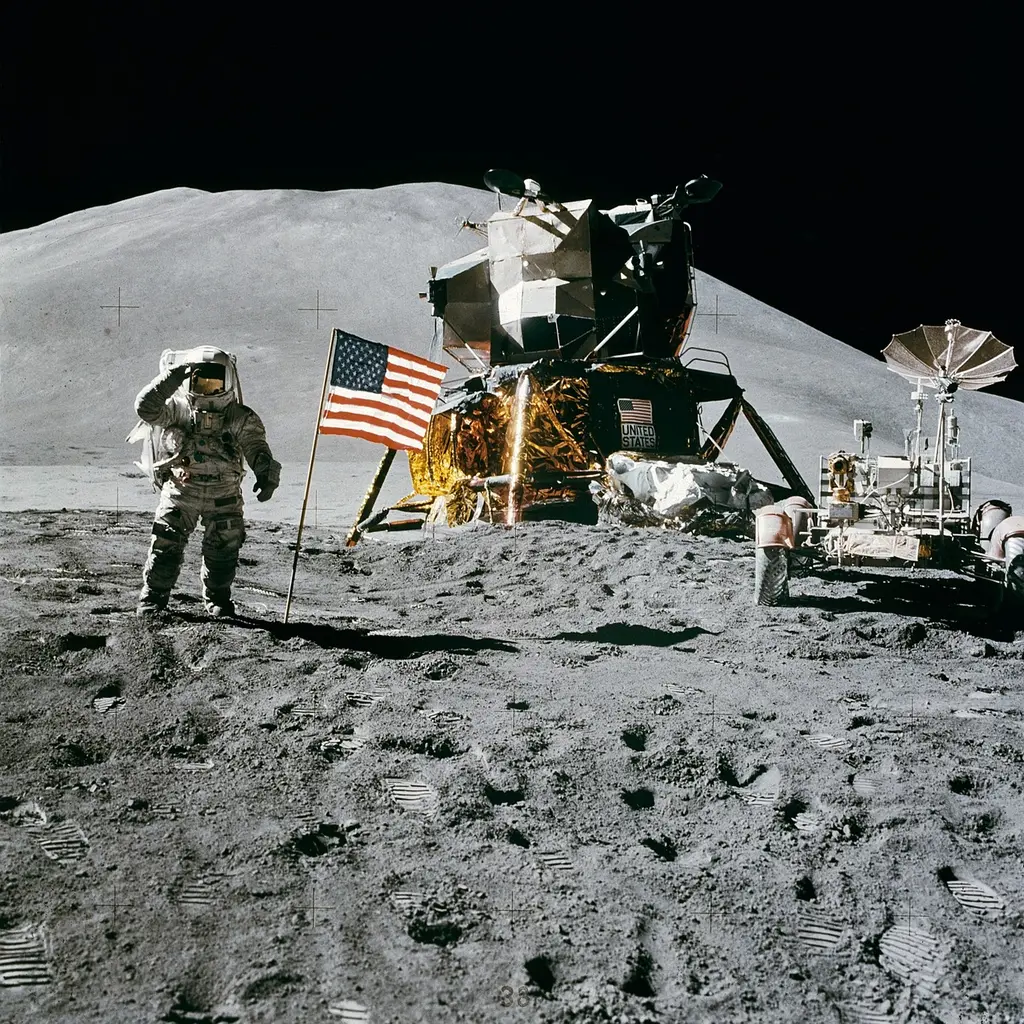
July 20, 1969; Apollo 11; Neil Armstrong and Buzz Aldrin walked on the Moon (Michael Collins orbited above).
What is the Apollo program known for?
A series of missions (1961–1972) that landed astronauts on the Moon, collected lunar samples, and returned them to Earth; six manned lunar landings.
When was the last manned mission to the Moon and who were the astronauts?
Apollo 17, in December 1972; astronauts Eugene Cernan and Harrison Schmitt were the last to walk on the Moon.