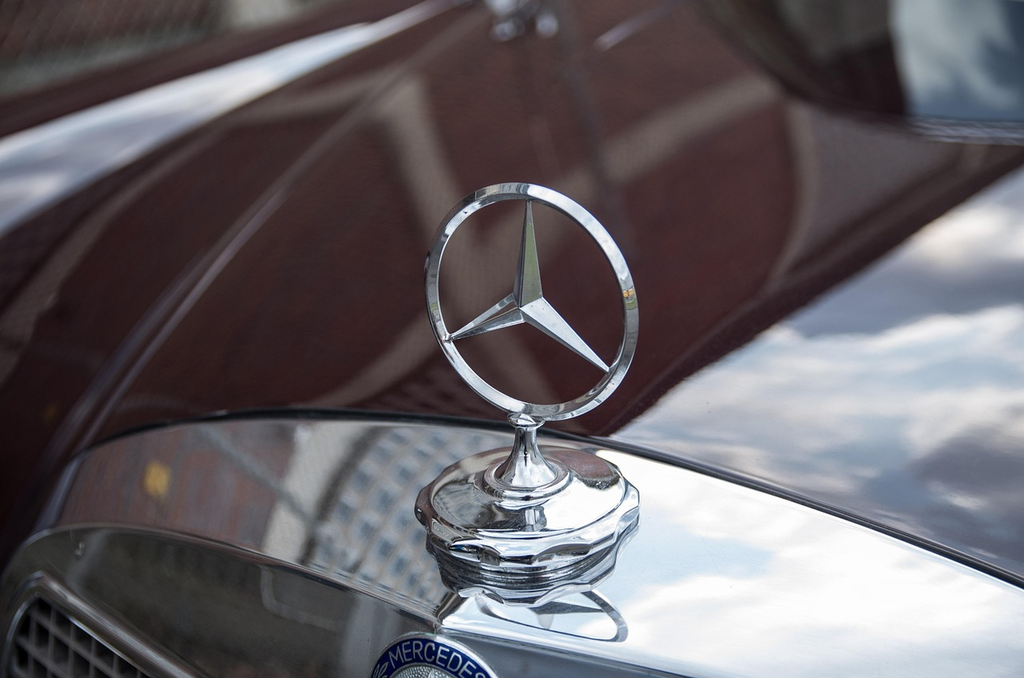
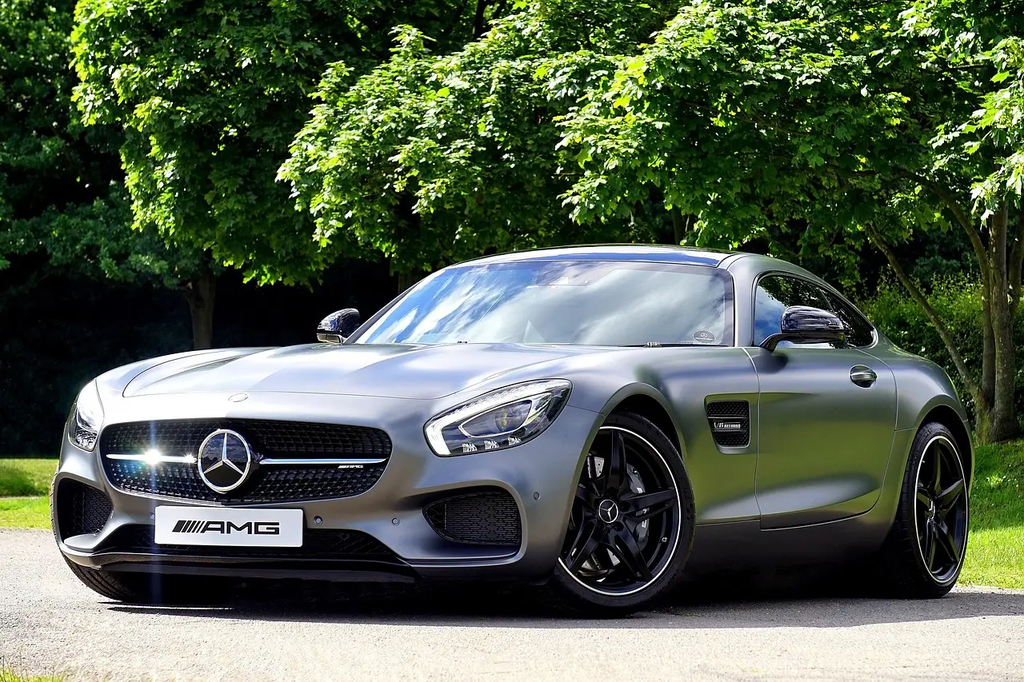
Luxury car market analysis examines trends, consumer preferences, and competitive dynamics within the premium automobile sector. It evaluates brand positioning through iconic car logos, which symbolize prestige and exclusivity. The analysis covers factors like technological innovation, design, performance, and status appeal that drive demand. Additionally, it assesses market segmentation, key players, and emerging opportunities, providing insights into how luxury and branding influence purchasing decisions in this high-value market.
Luxury Car Market Analysis
Luxury car market analysis examines trends, consumer preferences, and competitive dynamics within the premium automobile sector. It evaluates brand positioning through iconic car logos, which symbolize prestige and exclusivity. The analysis covers factors like technological innovation, design, performance, and status appeal that drive demand. Additionally, it assesses market segmentation, key players, and emerging opportunities, providing insights into how luxury and branding influence purchasing decisions in this high-value market.
💡 Key Takeaways
- Identify the main factors that drive demand and pricing in the luxury car market.
- Compare regional trends and consumer demographics shaping luxury car purchases.
- Explain how pricing strategies, distribution channels, and product customization influence luxury brand positioning.
- Interpret key market metrics like sales volume, average selling price, and incentives to assess market health.
❓ Frequently Asked Questions
What defines the luxury car market?
The luxury car market includes vehicles positioned above mainstream brands with premium pricing, high-end materials, and advanced technology. Buyers often seek prestige, performance, and superior craftsmanship.
What metrics are used to measure market size and growth?
Analysts track market size in units or value, compound annual growth rate (CAGR), average selling price (ASP), and market share by region or brand to gauge demand and performance.
Which regions typically dominate luxury car sales?
North America and Europe have traditionally led luxury car sales, with Asia-Pacific growing rapidly as wealth increases and more brands expand their presence.
How is electrification impacting the luxury car market?
Electrified luxury models are expanding options with high performance and new pricing dynamics, influencing range, charging infrastructure, incentives, and brand differentiation.