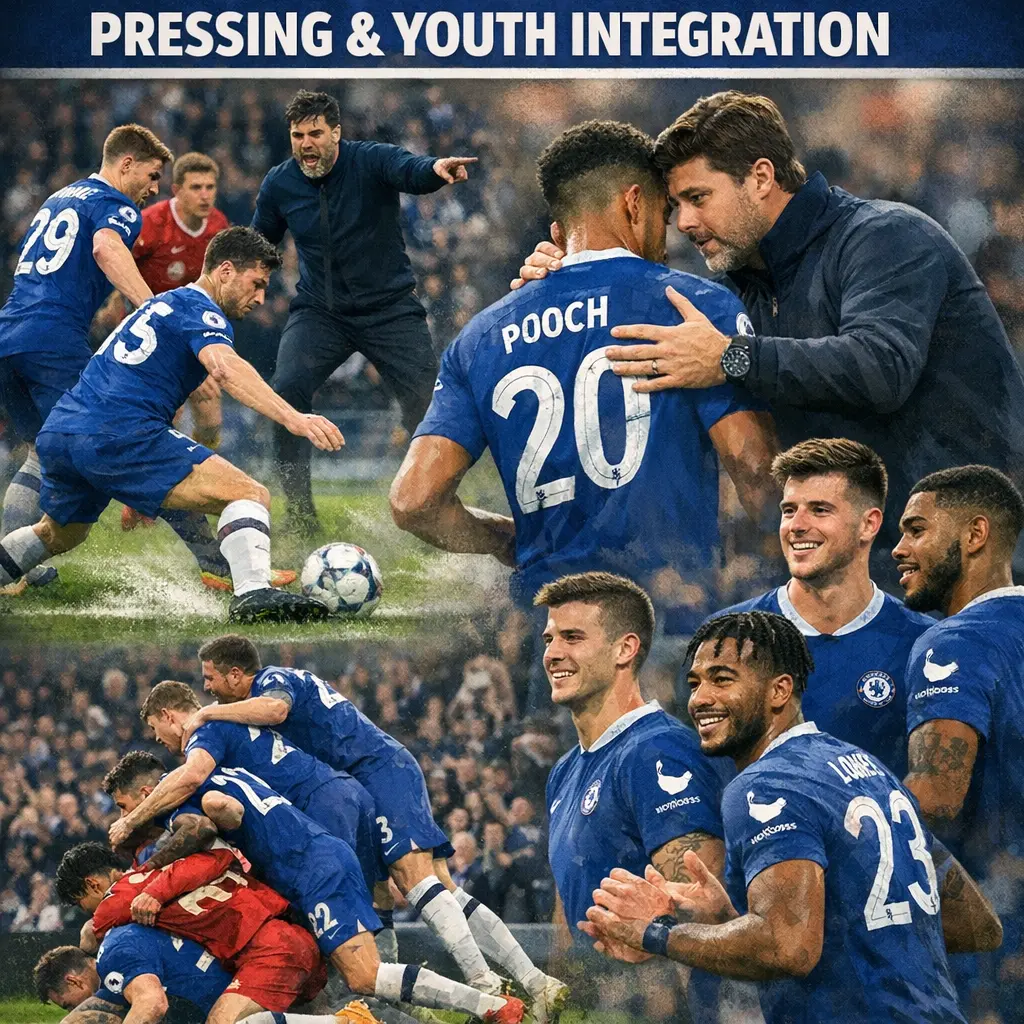
Managerial tenure outcomes at Tottenham Hotspur F.C. reflect a balance between stability and change. Periods of stable management, such as under Mauricio Pochettino, often led to consistent team performance and long-term development. Conversely, frequent managerial changes, as seen in recent years, have resulted in fluctuating results, disrupted team cohesion, and challenges in achieving sustained success. The club’s history illustrates how leadership continuity or turnover can significantly impact strategic direction and on-field achievements.
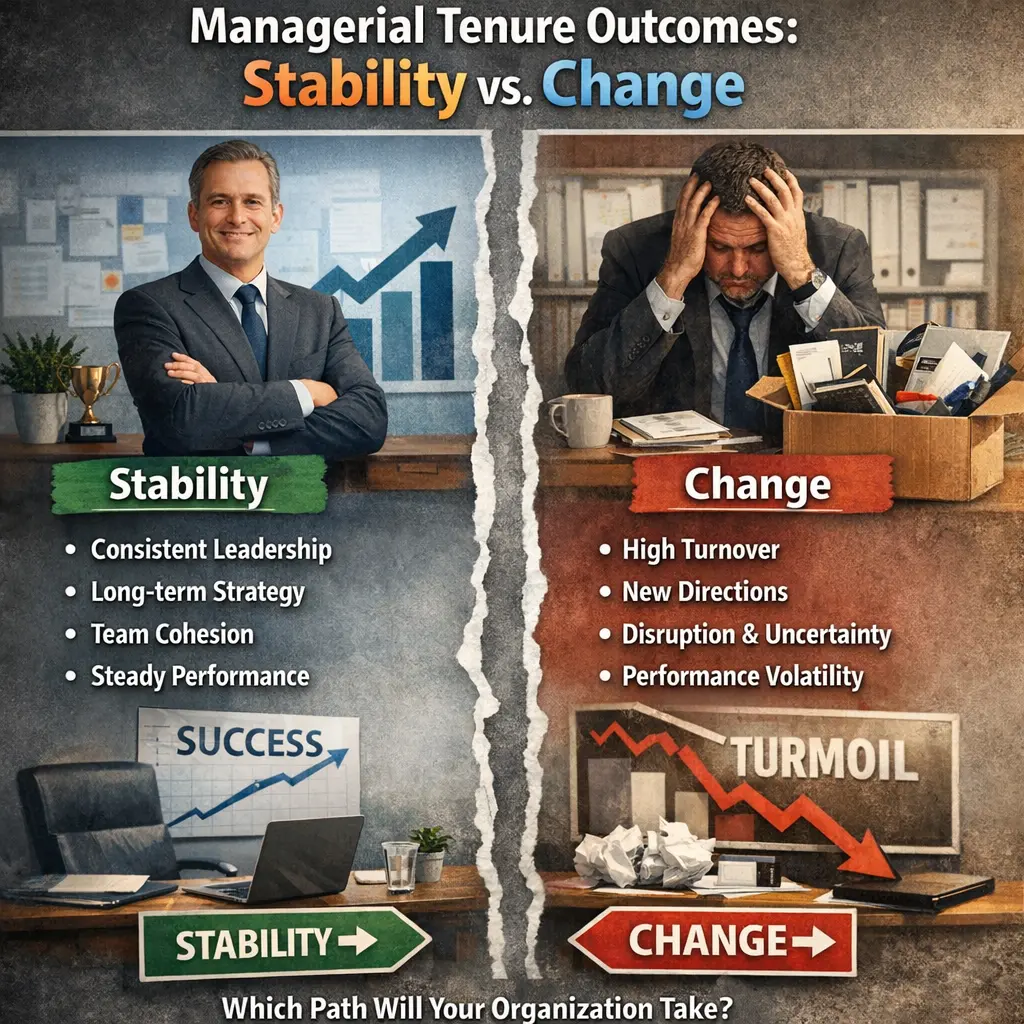
Managerial Tenure Outcomes: Stability vs Change
Managerial tenure outcomes at Tottenham Hotspur F.C. reflect a balance between stability and change. Periods of stable management, such as under Mauricio Pochettino, often led to consistent team performance and long-term development. Conversely, frequent managerial changes, as seen in recent years, have resulted in fluctuating results, disrupted team cohesion, and challenges in achieving sustained success. The club’s history illustrates how leadership continuity or turnover can significantly impact strategic direction and on-field achievements.
💡 Key Takeaways
- Understand how the length of a manager's tenure relates to organizational stability and performance.
- Learn how tenure influences decision-making speed, risk tolerance, and responsiveness to change.
- Compare outcomes of stability (long tenures) versus change (short tenures) on innovation and adaptability.
- Identify governance and succession practices that optimize the balance between stability and change.
❓ Frequently Asked Questions
What is managerial tenure?
Managerial tenure is the length of time a person serves in a management role within an organization, from appointment to departure.
How can longer managerial tenure contribute to stability?
Long tenure provides continuity in strategy and culture, strengthens relationships with staff and stakeholders, and supports consistent decision-making.
What are potential drawbacks of very long managerial tenure?
It can lead to organizational inertia, resistance to change, skill drift, and slower adaptation to market shifts.
What are the effects of frequent leadership changes?
Frequent changes can disrupt strategy and morale, create uncertainty, and hinder long-term planning, but may refresh ideas and accountability.
How should organizations balance stability and change in leadership?
Consider industry pace, performance signals, leadership fit, and succession plans to determine when tenure should be extended or renewed to align with strategy.