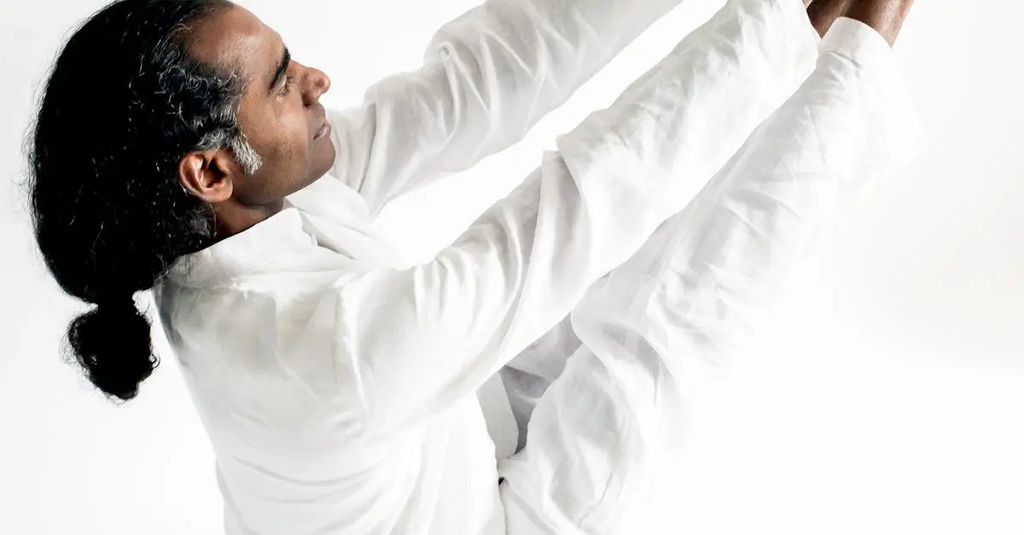
Mastering Integrative Healing refers to the comprehensive understanding and application of diverse healing modalities that blend conventional medicine with alternative therapies. It emphasizes a holistic approach, addressing physical, emotional, mental, and spiritual well-being. Practitioners use evidence-based practices from both Western and Eastern traditions, fostering balance and harmony within the individual. Mastery in this field involves skillfully tailoring interventions to each person’s unique needs, promoting optimal health and long-term wellness.
Mastering Integrative Healing
Mastering Integrative Healing refers to the comprehensive understanding and application of diverse healing modalities that blend conventional medicine with alternative therapies. It emphasizes a holistic approach, addressing physical, emotional, mental, and spiritual well-being. Practitioners use evidence-based practices from both Western and Eastern traditions, fostering balance and harmony within the individual. Mastery in this field involves skillfully tailoring interventions to each person’s unique needs, promoting optimal health and long-term wellness.
💡 Key Takeaways
- Understand what integrative healing means and its core principles.
- Identify key modalities used in integrative healing (mind-body practices, nutrition, movement, sleep, stress management).
- Learn how to evaluate therapies for safety, effectiveness, and evidence, and when to seek professional guidance.
- Practice a patient-centered, collaborative approach that combines conventional care with evidence-based complementary strategies.
❓ Frequently Asked Questions
What is integrative healing?
Integrative healing, or integrative medicine, combines evidence-based conventional medical care with complementary therapies to treat the whole person—body, mind, and lifestyle—through a collaborative, patient-centered approach.
What are some common integrative healing modalities?
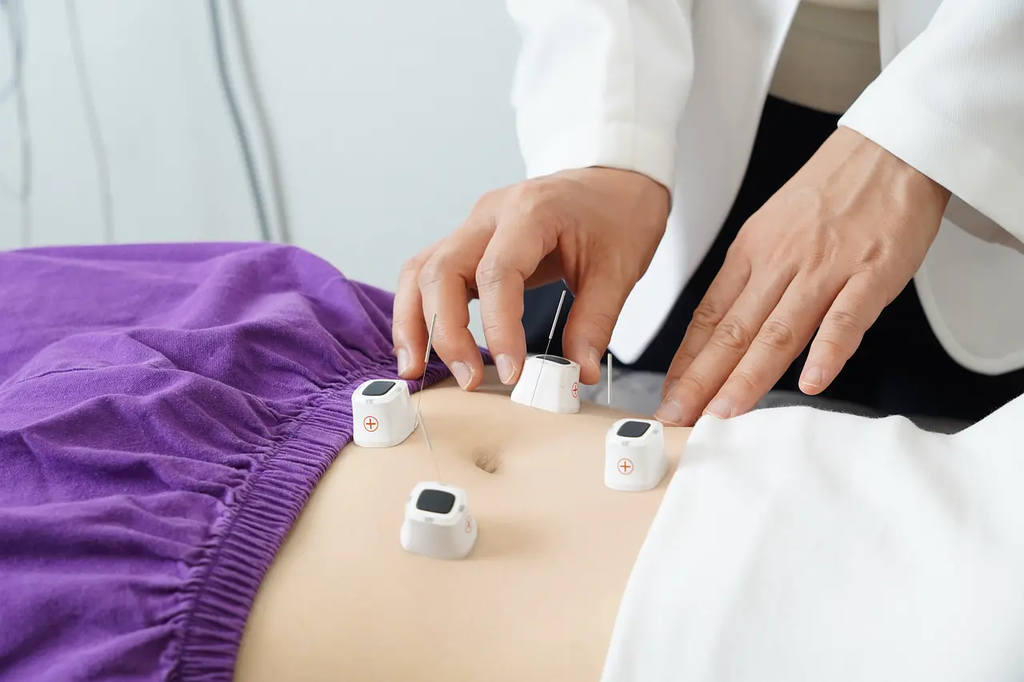
Mind-body practices (such as meditation, mindfulness, breathing exercises, and yoga), movement therapies, nutrition and sleep optimization, stress management, and select therapies like acupuncture when supported by evidence for specific conditions, delivered by qualified practitioners.
How is integrative healing different from alternative medicine?
Integrative healing uses evidence-based therapies alongside standard medical care and involves coordination with your healthcare team, whereas alternative medicine substitutes conventional care with non-evidence-based approaches.
How can I safely evaluate and use integrative therapies?
Look for therapies supported by solid evidence, discuss options with your clinician, choose licensed providers, consider potential interactions with medications, start with low-risk options, and monitor outcomes.