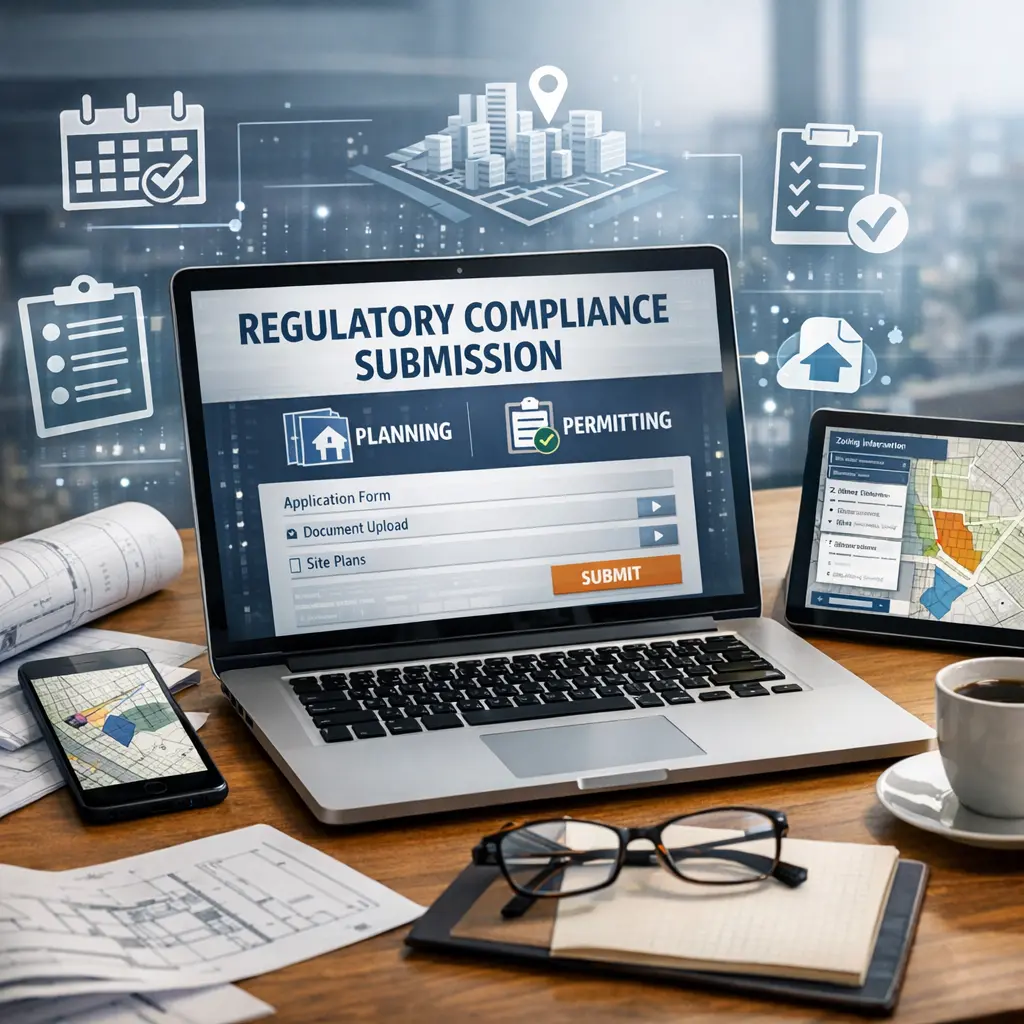
Model Coordination Workflows using digital applications in construction involve the systematic management and integration of building information models (BIM) from various disciplines. These workflows allow project teams to detect and resolve design clashes, ensure data consistency, and streamline communication. Digital tools enable real-time collaboration, version control, and issue tracking, resulting in improved accuracy, reduced errors, and enhanced project efficiency throughout the construction lifecycle.
Model Coordination Workflows
Model Coordination Workflows using digital applications in construction involve the systematic management and integration of building information models (BIM) from various disciplines. These workflows allow project teams to detect and resolve design clashes, ensure data consistency, and streamline communication. Digital tools enable real-time collaboration, version control, and issue tracking, resulting in improved accuracy, reduced errors, and enhanced project efficiency throughout the construction lifecycle.
💡 Key Takeaways
- Understand the end-to-end flow of a model coordination workflow—from data preparation to deployment and monitoring.
- Learn how to orchestrate training, evaluation, deployment, and monitoring using pipelines and automation tools.
- Grasp best practices for versioning, experiment tracking, and a model registry to ensure reproducibility and governance.
- Identify common challenges (data drift, concept drift, and stale features) and strategies like automated retraining and continuous monitoring.
❓ Frequently Asked Questions
What is a model coordination workflow?
A structured process to plan, develop, integrate, and monitor multiple machine learning models and related components so they operate together smoothly.
What are the key steps in such a workflow?
Define tasks and dependencies, version data and models, build and test, orchestrate execution, deploy to environments, and monitor performance and health.
What tools help manage model coordination workflows?
Tools like MLflow, Kubeflow, Apache Airflow, Dagster, DVC, and feature stores support tracking, orchestration, versioning, and deployment.
How do you maintain governance and reproducibility?
Use versioned artifacts, traceable lineage, consistent environments (containers), automated tests, and a centralized model registry with access controls.