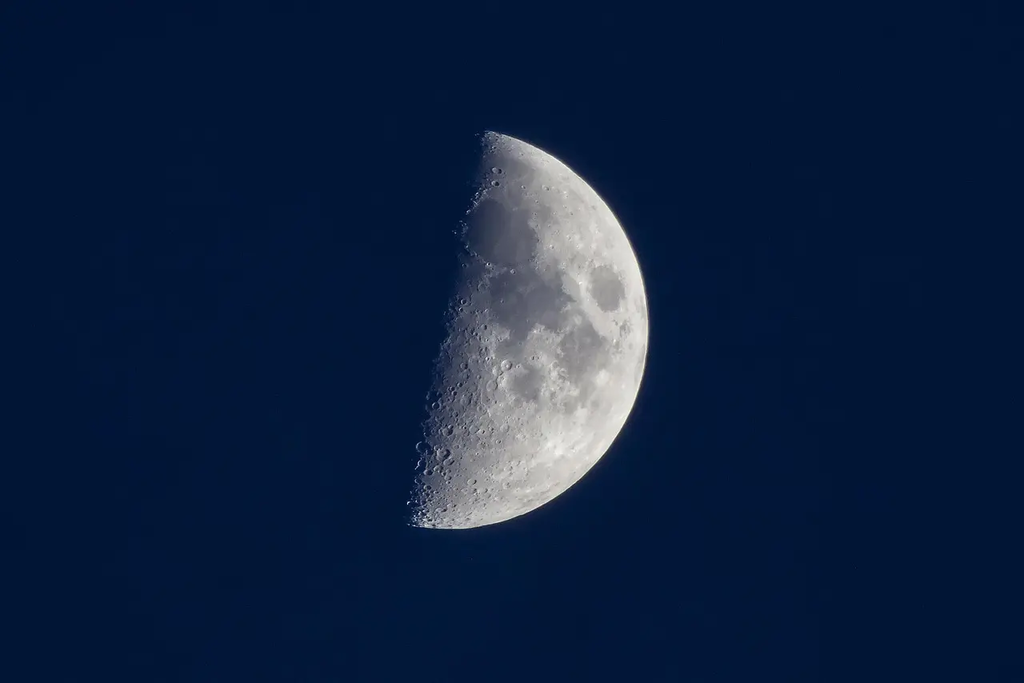
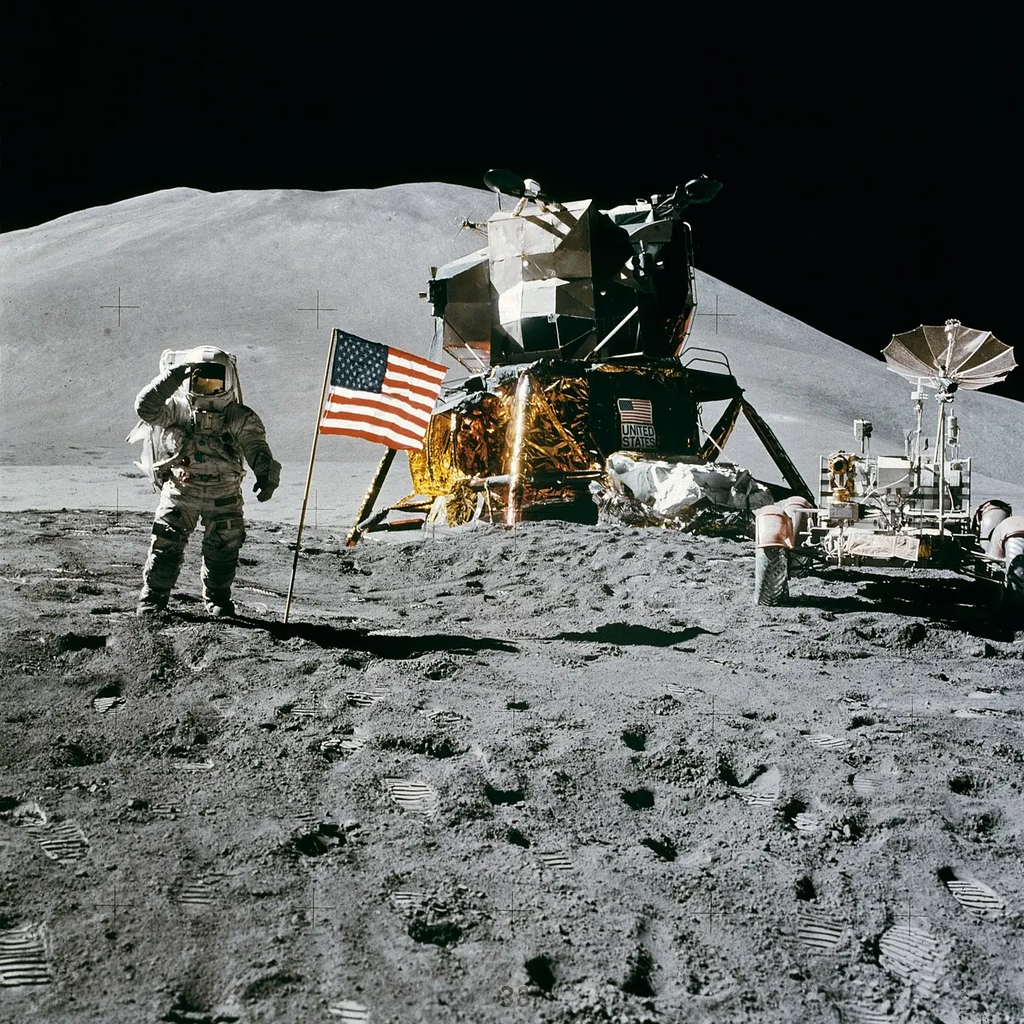
The Moon plays a significant role in space energy by serving as a potential site for solar power generation and resource extraction. Its surface receives constant sunlight, making it ideal for solar energy collection. Additionally, lunar resources like helium-3 could be harnessed for advanced fusion energy. The Moon’s proximity to Earth allows for efficient energy transfer, positioning it as a key player in future sustainable space energy solutions.
Moon's Role in Space Energy
The Moon plays a significant role in space energy by serving as a potential site for solar power generation and resource extraction. Its surface receives constant sunlight, making it ideal for solar energy collection. Additionally, lunar resources like helium-3 could be harnessed for advanced fusion energy. The Moon’s proximity to Earth allows for efficient energy transfer, positioning it as a key player in future sustainable space energy solutions.
💡 Key Takeaways
- Explain how the Moon’s gravity affects the Earth–Moon energy budget (tidal and orbital energy).
- Understand how the Moon’s long day–night cycle impacts solar power availability for lunar missions.
- Explore the Moon as a potential base for solar power collection and energy storage for space missions.
- Identify how lunar resources (like water ice) could enable energy generation or storage for missions (fuel, electrolysis).
- Describe how lunar gravity assists can reduce propulsion energy for spacecraft trajectories.
❓ Frequently Asked Questions
What is the Moon's role in Earth's tidal energy?
The Moon's gravity pulls on Earth's oceans, creating tides. Tidal energy can be harvested by tidal turbines, offering a renewable and predictable energy source, though its potential varies by location and current technology.
How does the Moon affect solar energy generation for lunar missions?
A lunar day lasts about 14.75 Earth days, so solar panels on the Moon generate power only during sunlit periods. Two weeks of darkness require energy storage or alternative power sources, and lunar dust can reduce efficiency.
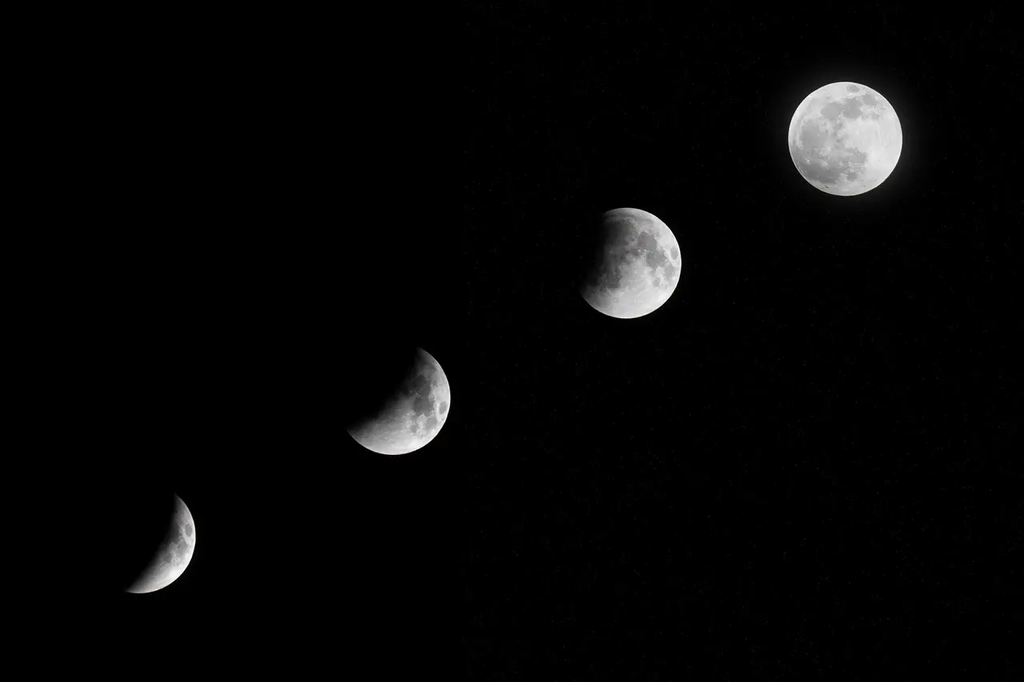
What happens to solar energy during a lunar eclipse?
During a lunar eclipse, Earth blocks sunlight from reaching the Moon, so solar power on the Moon drops to near zero for that period; spacecraft would rely on batteries or backup power.
Could the Moon enable space-based solar power infrastructure?
Space-based solar power (collecting energy in space and transmitting it to Earth) is a concept where the Moon could serve as a staging point or hub, but it faces significant technical and cost challenges.