MTSS Framework Implementation refers to the process of putting into practice a Multi-Tiered System of Supports within an educational setting. This involves systematically providing varying levels of academic, behavioral, and social-emotional support to all students based on their individual needs. Implementation includes data-driven decision-making, ongoing progress monitoring, and collaboration among educators to ensure interventions are effective and equitable, ultimately aiming to improve student outcomes and promote inclusive learning environments.
MTSS Framework Implementation
MTSS Framework Implementation refers to the process of putting into practice a Multi-Tiered System of Supports within an educational setting. This involves systematically providing varying levels of academic, behavioral, and social-emotional support to all students based on their individual needs. Implementation includes data-driven decision-making, ongoing progress monitoring, and collaboration among educators to ensure interventions are effective and equitable, ultimately aiming to improve student outcomes and promote inclusive learning environments.
💡 Key Takeaways
- Define MTSS and its three tiers (Tier 1, Tier 2, Tier 3) and what each tier aims to provide.
- Explain how academic, behavioral, and social-emotional supports are planned and aligned across tiers.
- Describe data-driven processes for screening, progress monitoring, and decision-making to tailor supports.
- Outline a practical MTSS implementation plan that includes team roles, timelines, resources, and fidelity checks.
❓ Frequently Asked Questions
What is MTSS in education?
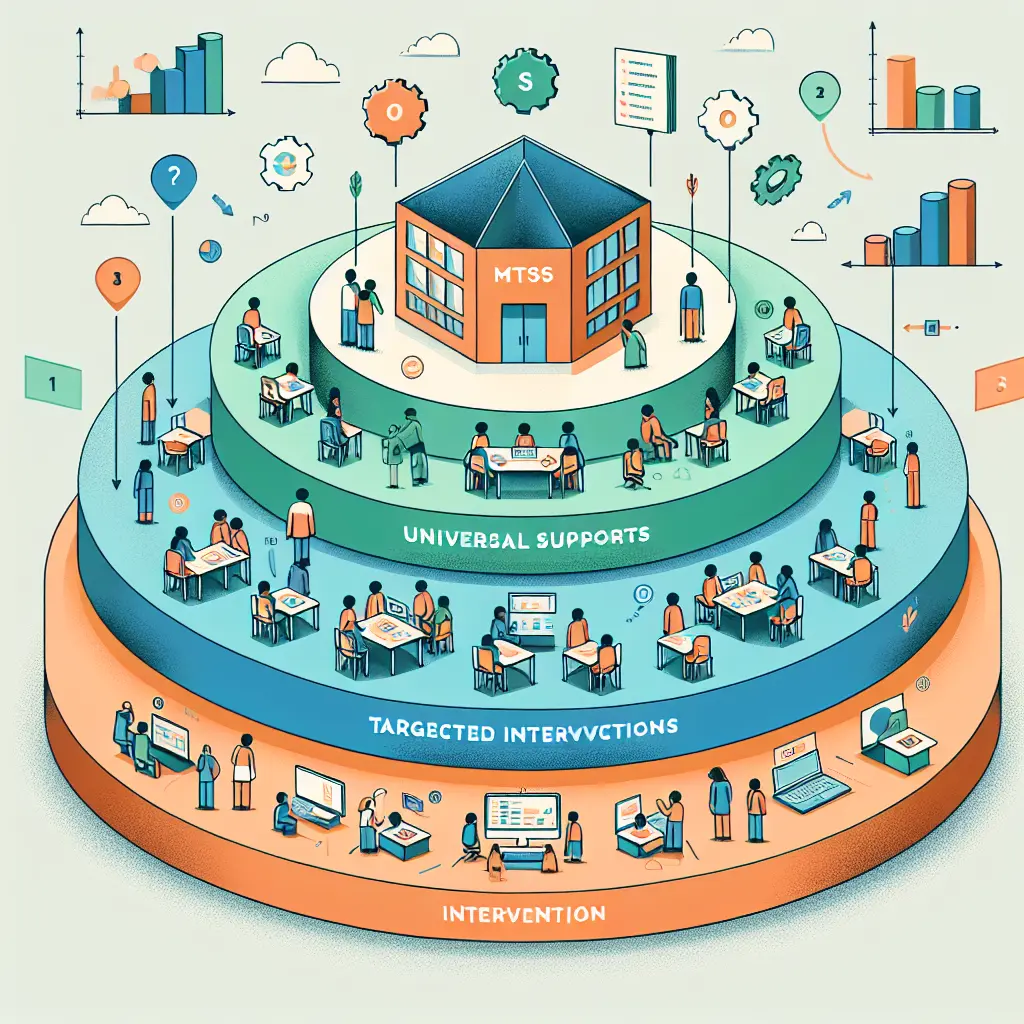
MTSS is a Multi-Tiered System of Supports that uses data-driven decision making to provide varying levels of academic, behavioral, and social-emotional supports to all students, with universal instruction at Tier 1 and targeted/intensive supports at Tiers 2–3.
What are the three MTSS tiers and their purpose?
Tier 1 is universal, high-quality instruction for all students. Tier 2 provides targeted supports for students not making progress. Tier 3 offers intensive, individualized interventions for students with substantial needs.
What are the core components of MTSS?
Universal screening, frequent progress monitoring, and data-based decision making to adjust interventions and supports across academics, behavior, and social-emotional learning.
How is MTSS implemented and sustained in a school?
A school-wide MTSS team analyzes data, selects appropriate interventions, monitors fidelity of implementation, and uses ongoing data to decide when to intensify, reduce, or discontinue supports.