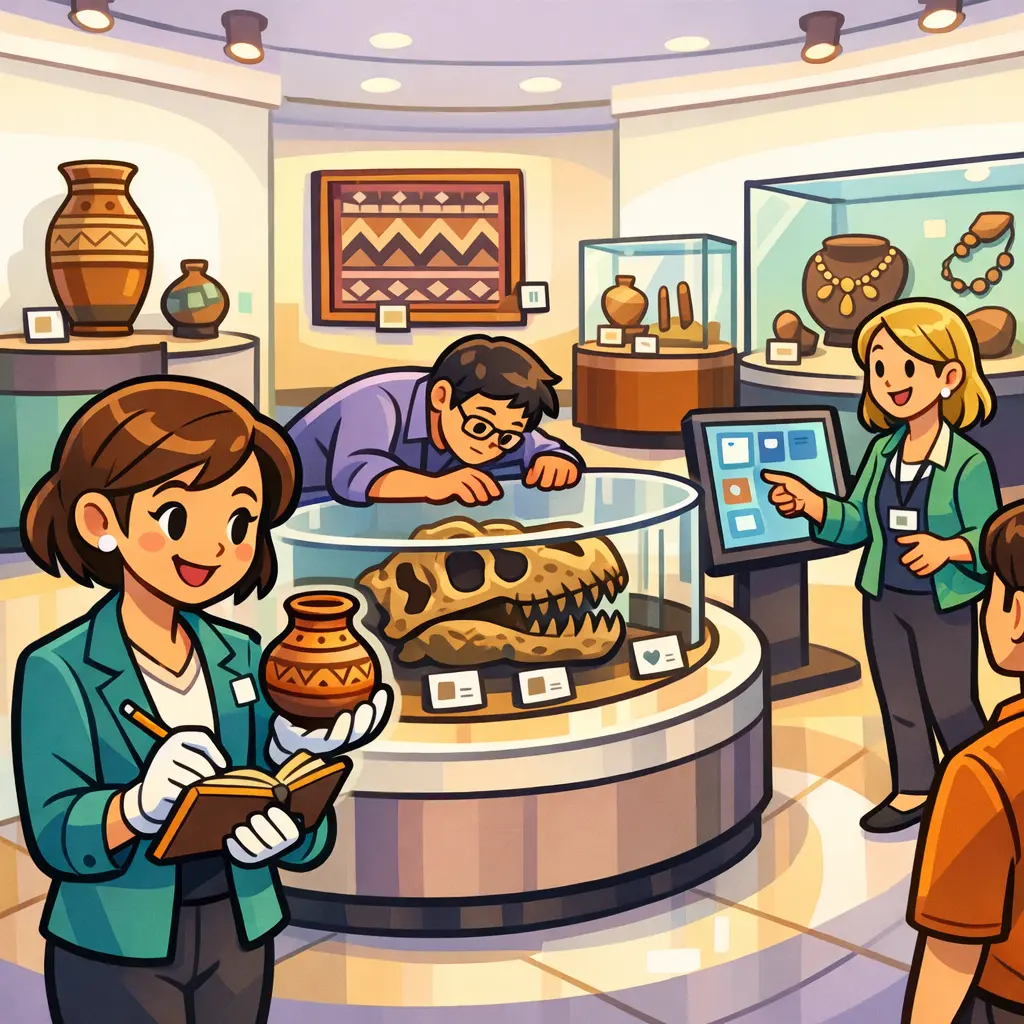
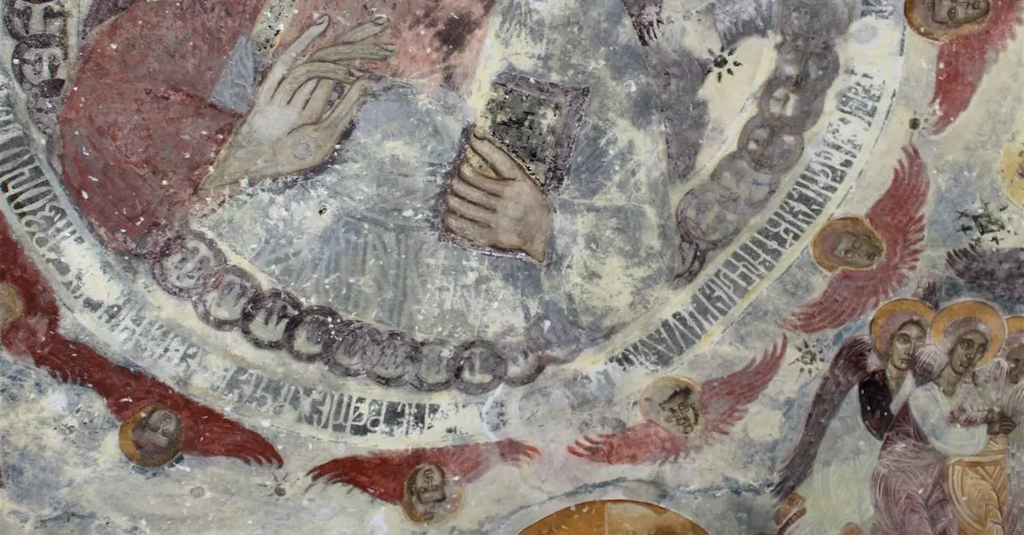
"Museums & Collections Basics (Art History & Movements)" refers to the foundational concepts behind how museums acquire, preserve, and display artworks, as well as the study of significant art movements throughout history. This includes understanding the roles museums play in society, the curation process, and how different periods and styles—such as Renaissance, Impressionism, or Modernism—are represented and interpreted through collections, providing context and education for visitors.
Museums & Collections Basics+50
"Museums & Collections Basics (Art History & Movements)" refers to the foundational concepts behind how museums acquire, preserve, and display artworks, as well as the study of significant art movements throughout history. This includes understanding the roles museums play in society, the curation process, and how different periods and styles—such as Renaissance, Impressionism, or Modernism—are represented and interpreted through collections, providing context and education for visitors.
💡 Key Takeaways
- Understand the main purposes of museums, including preservation, education, and public access to collections.
- Identify the key roles involved in museum work (curator, conservator, registrar) and their responsibilities.
- Describe how collections are organized and documented, such as accession numbers, catalog records, and provenance.
- Recognize the major types of museum collections (art, natural history, science, cultural heritage) and how they differ in approach.
- Explain basic ethical considerations in collecting, display, and repatriation of cultural objects.
❓ Frequently Asked Questions
What is a museum?
A museum is an institution that collects, preserves, studies, and displays objects of historical, cultural, or scientific value for public education and enjoyment.
What is a collection in a museum?
A collection is the organized group of objects held by a museum, gathered for study, interpretation, or display, often linked by theme, period, or provenance.
What does provenance mean in museum objects?
Provenance is the history of an object's ownership and custody; documenting it helps verify authenticity, ethical sourcing, and provides context for its significance.
What is conservation in museums?
Conservation is the care, stabilization, and restoration of artifacts to prevent deterioration while preserving original materials as much as possible for future study and display.