Music Perception & Cognition in Performing Arts & Music explores how individuals interpret, process, and understand musical elements such as melody, rhythm, and harmony. This field examines the psychological and neurological processes involved in listening to, performing, and appreciating music. It investigates how music influences emotions, memory, and learning, as well as cultural and individual differences in musical experience, contributing to both artistic performance and scientific understanding of music’s impact on the brain.
Music Perception & Cognition
Music Perception & Cognition in Performing Arts & Music explores how individuals interpret, process, and understand musical elements such as melody, rhythm, and harmony. This field examines the psychological and neurological processes involved in listening to, performing, and appreciating music. It investigates how music influences emotions, memory, and learning, as well as cultural and individual differences in musical experience, contributing to both artistic performance and scientific understanding of music’s impact on the brain.
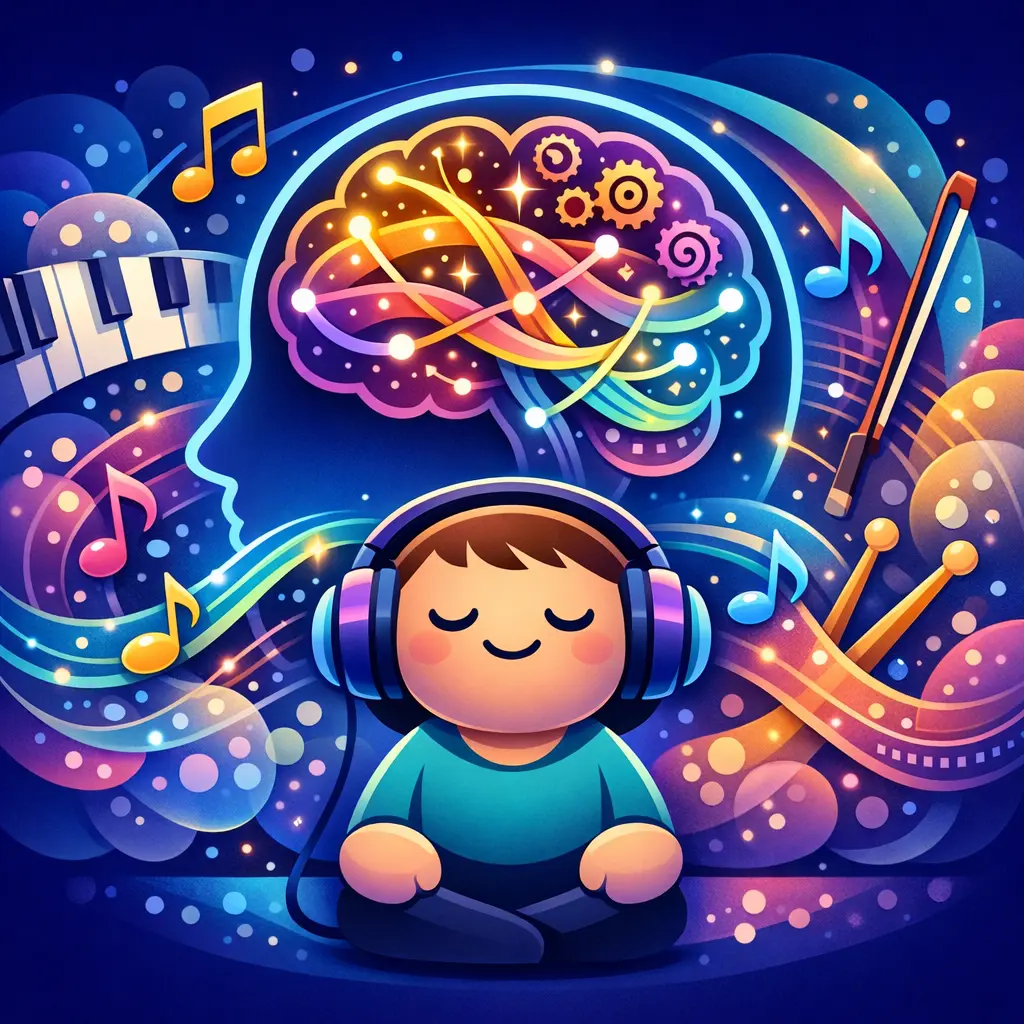
💡 Key Takeaways
- Understand how pitch, rhythm, and timbre are perceived in music
- Explore how the brain processes musical patterns, expectations, and harmony
- Learn how memory influences melody recognition and recall
- See how emotion, attention, and context shape musical perception
❓ Frequently Asked Questions
What is music perception?
The process of hearing and interpreting musical sounds—pitch, rhythm, timbre, melody, and harmony—to form meaningful listening experiences.
What is music cognition?
A field studying the mental processes behind music, including how we learn, remember, predict, and feel music.
How do we perceive pitch and melody?
Pitch comes from sound frequency; the brain groups notes into melodies using patterns, intervals, and cultural experience.
How do rhythm and tempo affect listening?
Rhythm is timing patterns and tempo is speed; together they guide movement, groove, attention, and emotional response.
Can emotions change how we perceive music?
Yes—emotional state and music-induced emotions can influence perception, memory, expectations, and interpretation.