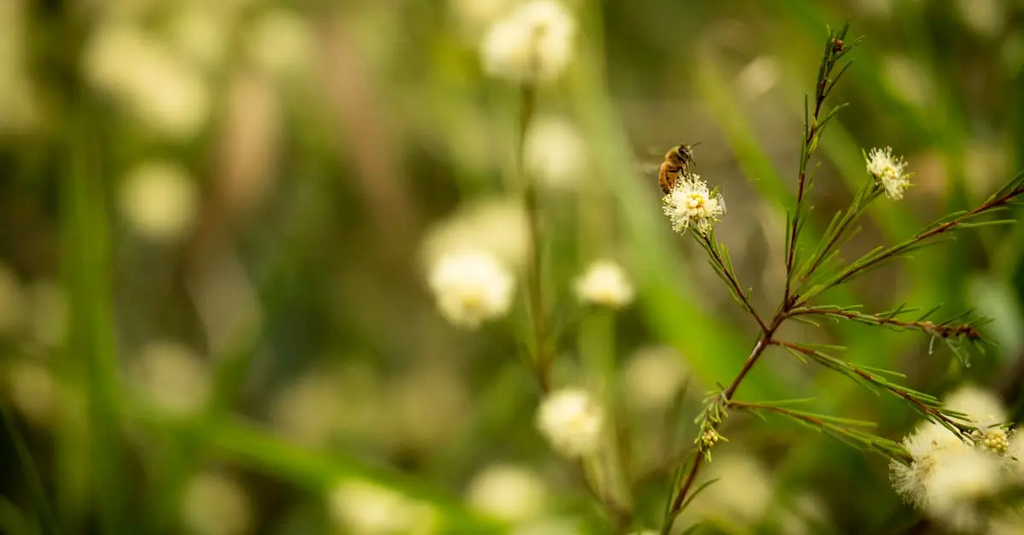
Native & pollinator gardens are specially designed landscapes that feature plants indigenous to a specific region, providing essential food and habitat for local pollinators like bees, butterflies, and hummingbirds. These gardens support biodiversity, enhance ecosystem health, and require less maintenance than non-native plantings. By attracting and sustaining pollinator species, native gardens help ensure the reproduction of many plants, contributing to ecological balance and the production of fruits, vegetables, and seeds.
Native & Pollinator Gardens
Native & pollinator gardens are specially designed landscapes that feature plants indigenous to a specific region, providing essential food and habitat for local pollinators like bees, butterflies, and hummingbirds. These gardens support biodiversity, enhance ecosystem health, and require less maintenance than non-native plantings. By attracting and sustaining pollinator species, native gardens help ensure the reproduction of many plants, contributing to ecological balance and the production of fruits, vegetables, and seeds.
💡 Key Takeaways
- Define native plants and why regional natives support local pollinators (bees, butterflies, and hummingbirds).
- Explain how native and pollinator gardens boost biodiversity and ecosystem health.
- Identify maintenance and resource benefits, such as lower water use and reduced need for chemicals.
- Get design tips for selecting nectar-rich plants with overlapping bloom times and adding habitat features.
❓ Frequently Asked Questions
What is a native plant pollinator garden?
A garden that uses plants native to your region to provide nectar, pollen, and habitat for local pollinators like bees, butterflies, and hummingbirds.
Why are native and pollinator gardens beneficial?
They support local biodiversity, improve ecosystem health, and often require less water and maintenance once established.
How do I choose plants for a pollinator-friendly garden?
Select regionally native species that bloom at different times, match your sun and soil conditions, avoid invasive plants, and include a mix of heights for interest and shelter.
What are some easy ways to start a native pollinator garden?
Start small, plant a variety of natives, group plants by bloom time, provide water and shelter, minimize pesticide use, and mulch to reduce weeds.