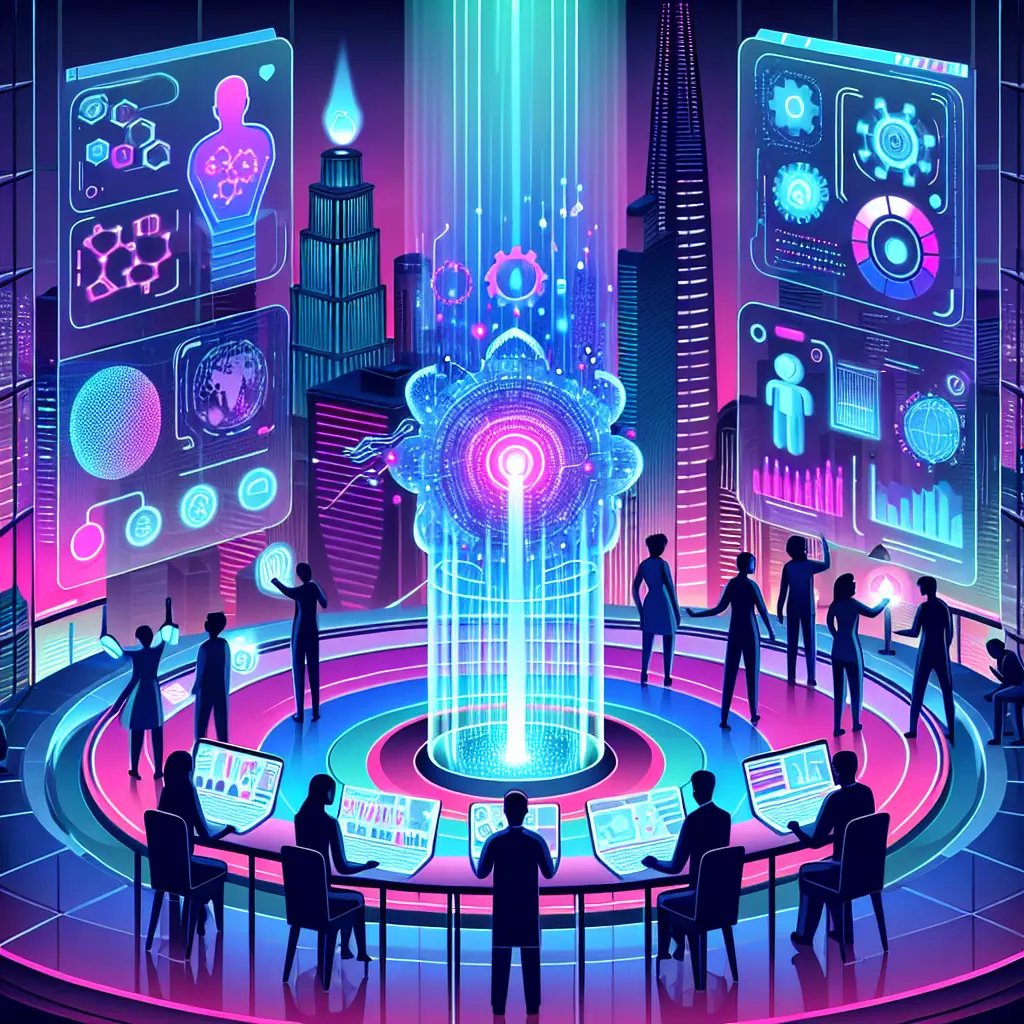
"Neuromancer," a 1984 novel by William Gibson, is renowned for introducing the concept of "cyberspace," a virtual reality data space that users can navigate mentally. The book’s depiction of a digital world interconnected by networks profoundly influenced the development of cyberpunk fiction and shaped popular understanding of the internet before it existed. Gibson’s vision established the foundation for how digital realms and virtual environments are imagined in literature and media today.
Neuromancer & Cyberspace Origins
"Neuromancer," a 1984 novel by William Gibson, is renowned for introducing the concept of "cyberspace," a virtual reality data space that users can navigate mentally. The book’s depiction of a digital world interconnected by networks profoundly influenced the development of cyberpunk fiction and shaped popular understanding of the internet before it existed. Gibson’s vision established the foundation for how digital realms and virtual environments are imagined in literature and media today.

💡 Key Takeaways
- Neuromancer popularized cyberspace as a navigable, immersive virtual data space.
- Gibson's cyberpunk vision linked hackers, AI, and global networks, shaping later sci-fi and tech culture.
- Cyberspace is a mental, immersive experience distinct from the physical hardware of networks.
- The novel's imagery foreshadowed real online environments and VR concepts that influenced the internet's development.
❓ Frequently Asked Questions
What is Neuromancer known for?
A landmark 1984 science fiction novel by William Gibson that helped define cyberpunk and popularize the concept of a connected digital space.
What is cyberspace as described in Neuromancer?
A virtual reality data space you can mentally navigate, a digital environment where information is experienced as a navigable realm.
Who coined or popularized the term cyberspace?
William Gibson, whose work—especially Neuromancer—popularized the term and its concept of a navigable digital realm.
How did Neuromancer influence cyberpunk and tech culture?
It defined cyberpunk aesthetics and ideas—hacking, AI, and corporate power—shaping later fiction and inspiring real-world concepts of networks and virtual spaces, including influences on films like The Matrix.