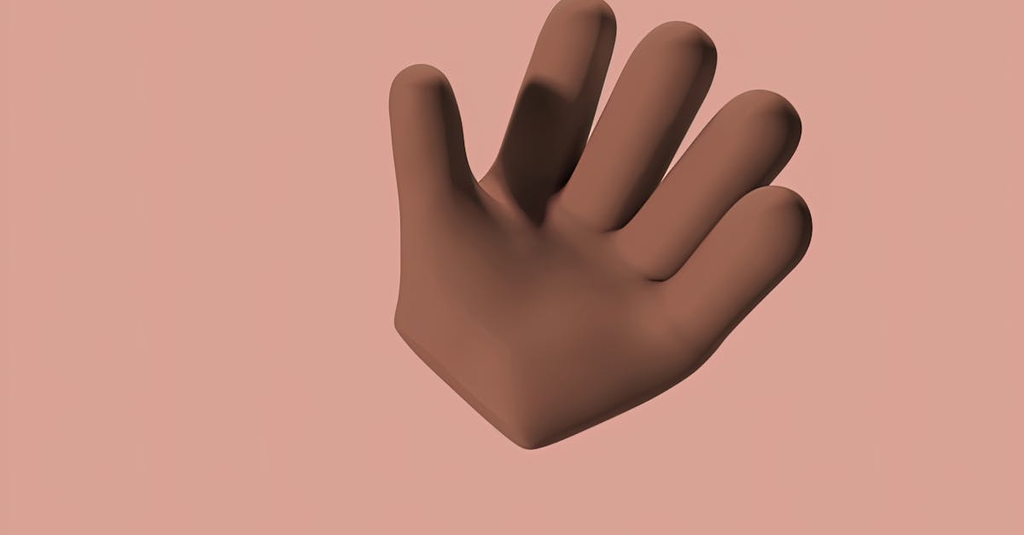
Nonverbal communication skills involve conveying messages without words, often using gestures like waving, giving a thumbs up, or flashing the peace sign. These specific gestures can express greetings, approval, agreement, or goodwill. For example, a wave signals hello or goodbye, a thumbs up shows support or satisfaction, and the peace sign communicates harmony or friendship. Such nonverbal cues enhance understanding and connection in social interactions.
Nonverbal Communication Skills
Nonverbal communication skills involve conveying messages without words, often using gestures like waving, giving a thumbs up, or flashing the peace sign. These specific gestures can express greetings, approval, agreement, or goodwill. For example, a wave signals hello or goodbye, a thumbs up shows support or satisfaction, and the peace sign communicates harmony or friendship. Such nonverbal cues enhance understanding and connection in social interactions.

💡 Key Takeaways
- Identify key nonverbal channels (body language, facial expressions, eye contact, posture, gestures, distance) and how they influence messages
- Learn to read others' nonverbal cues to gauge emotions, confidence, and engagement
- Practice improving your own nonverbal communication in meetings and presentations
- Understand cultural and situational differences to avoid misreading signals
❓ Frequently Asked Questions
What is nonverbal communication?
Nonverbal communication uses cues like facial expressions, gestures, posture, eye contact, and voice tone to convey meaning without words.
What are common types of nonverbal cues?
Facial expressions, eye contact, posture, gestures, proximity, touch, voice tone and pace, and appearance.
How can you tell if your nonverbal signals match your words?
Check for consistency: your facial expression, posture, and tone should reflect your message; mismatch can confuse listeners.
How can you improve nonverbal communication?
Practice awareness of cues, maintain appropriate eye contact, use open posture, adapt to cultural context, and align nonverbal signals with your words.