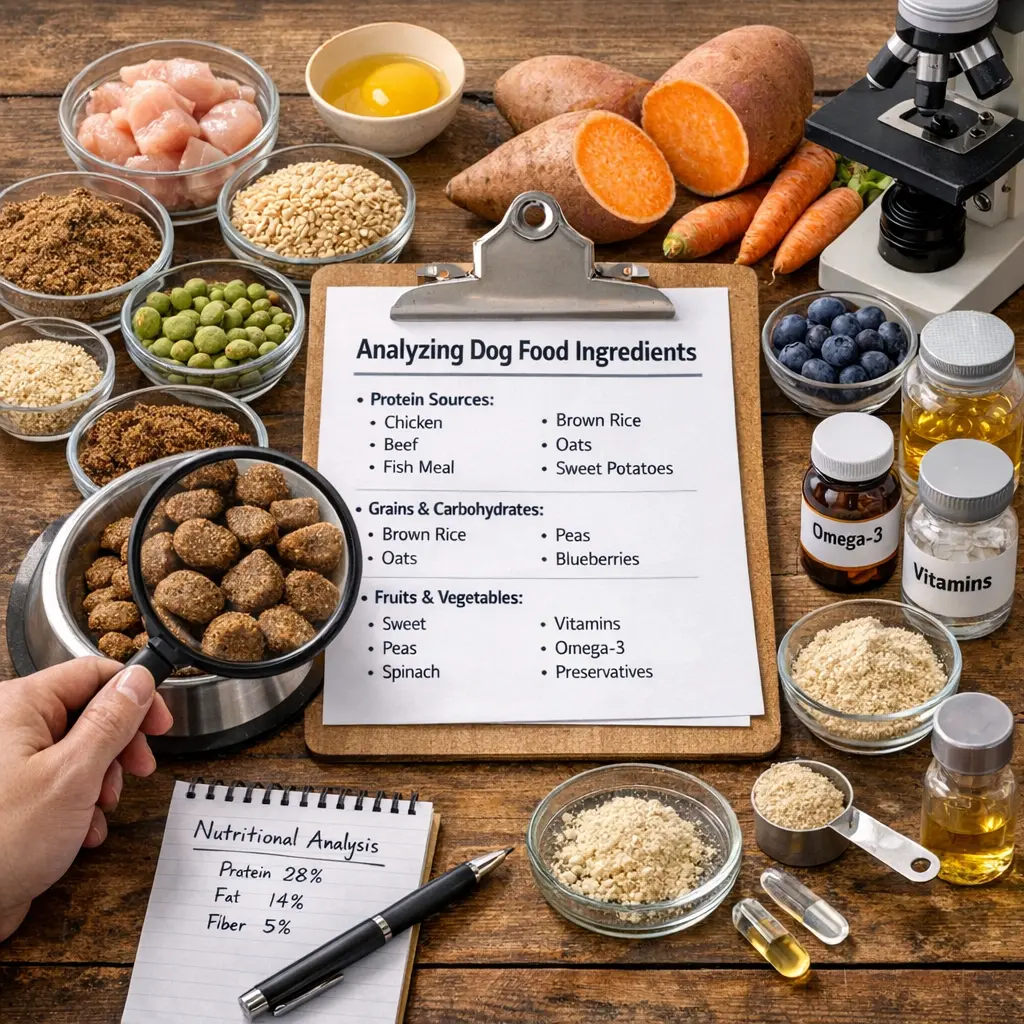
Nutritional myths in dog diets refer to widespread misconceptions about what dogs should eat for optimal health. Common myths include beliefs that dogs should eat only meat, that grains are harmful, or that homemade diets are always superior to commercial foods. Such myths can lead to unbalanced nutrition, deficiencies, or health issues. Understanding evidence-based canine nutrition helps pet owners make informed decisions and ensures dogs receive a balanced, healthy diet.
Nutritional Myths in Dog Diets
Nutritional myths in dog diets refer to widespread misconceptions about what dogs should eat for optimal health. Common myths include beliefs that dogs should eat only meat, that grains are harmful, or that homemade diets are always superior to commercial foods. Such myths can lead to unbalanced nutrition, deficiencies, or health issues. Understanding evidence-based canine nutrition helps pet owners make informed decisions and ensures dogs receive a balanced, healthy diet.

💡 Key Takeaways
- Debunk the grain-free myth and understand when grains can be part of a healthy dog diet.
- Learn to read dog food labels and grasp essential nutrients (protein, fats, carbohydrates, vitamins/minerals) plus the role of AAFCO statements.
- Understand the risks and considerations of raw or home-cooked diets and when veterinary guidance is advisable.
- Evaluate marketing claims (high protein, all natural, superfoods) against a balanced, complete diet and appropriate portions.
- Determine your dog's caloric needs and portion sizes to maintain a healthy weight and prevent obesity.
❓ Frequently Asked Questions
What does 'complete and balanced' mean in dog food?
It means the food provides all required nutrients at levels shown to support health for the intended life stage (per AAFCO). Look for a statement on the packaging that it is complete and balanced for growth, maintenance, or all life stages. Transition gradually when changing foods.
Do dogs need a grain-free diet to stay healthy?
Most dogs do fine on regular grains; grain-free diets are not inherently healthier and can be risky if misformulated. Only consider grain-free if a vet identifies a true sensitivity; otherwise stick to a nutritionally complete diet with approved ingredients.
Are raw meat diets safer or better for dogs?
Raw diets can carry pathogens and bones risk; balancing nutrients is tricky. They can be appropriate in some cases under veterinary guidance, but many dogs thrive on cooked or high-quality commercial diets. Practice safe handling if choosing raw.
Should I give my dog supplements like omega-3s or calcium?
Not usually. A balanced diet supplies essential nutrients; supplements may help specific conditions (inflammation, skin, joints) but only under vet guidance. Excess calcium and fat-soluble vitamins can cause issues.
Is it okay to feed my dog table scraps or human foods?
Occasional, small-safe human foods are fine when chosen carefully (e.g., plain cooked meat, carrots). Avoid toxic items (chocolate, grapes/raisins, onions, garlic), bones, fats, and dairy for lactose-intolerant dogs; do not replace dog food with human meals.