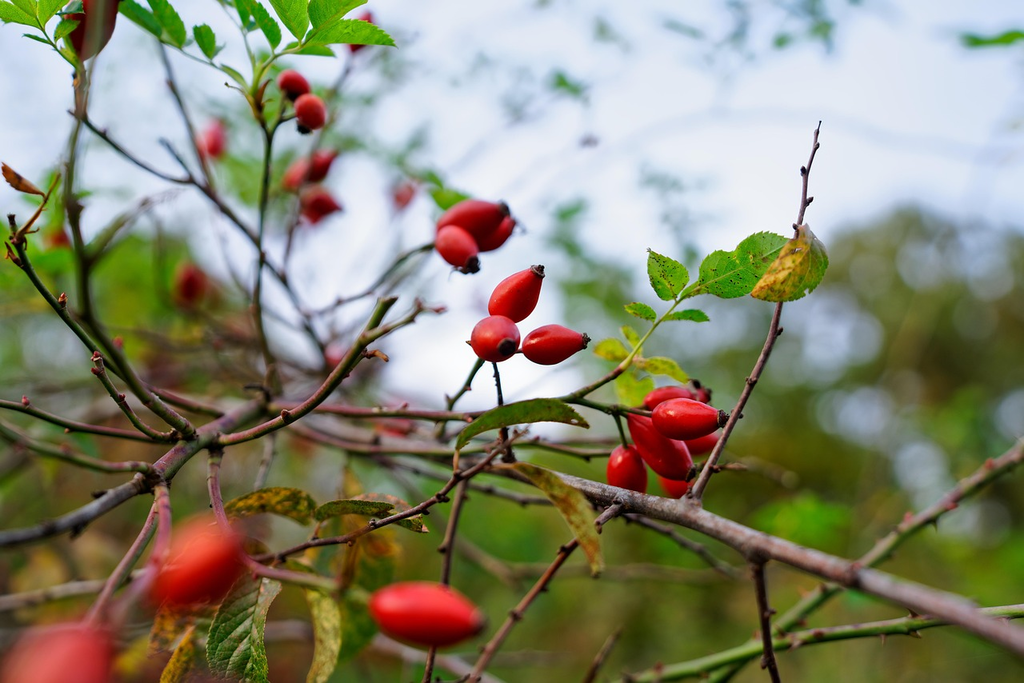
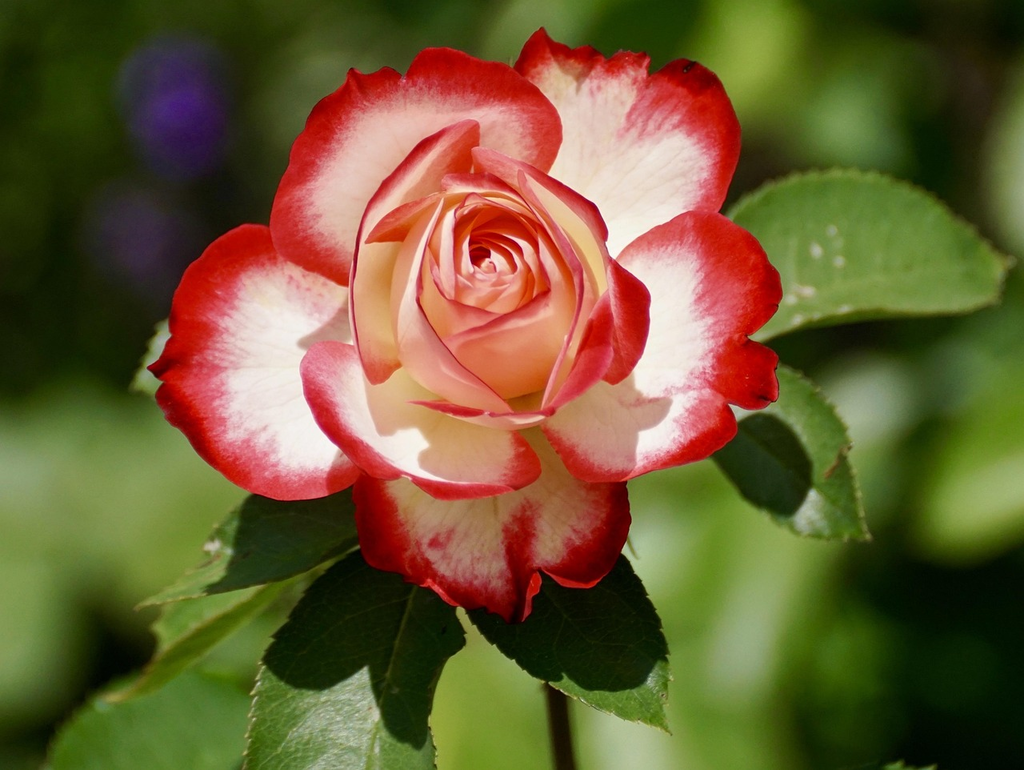
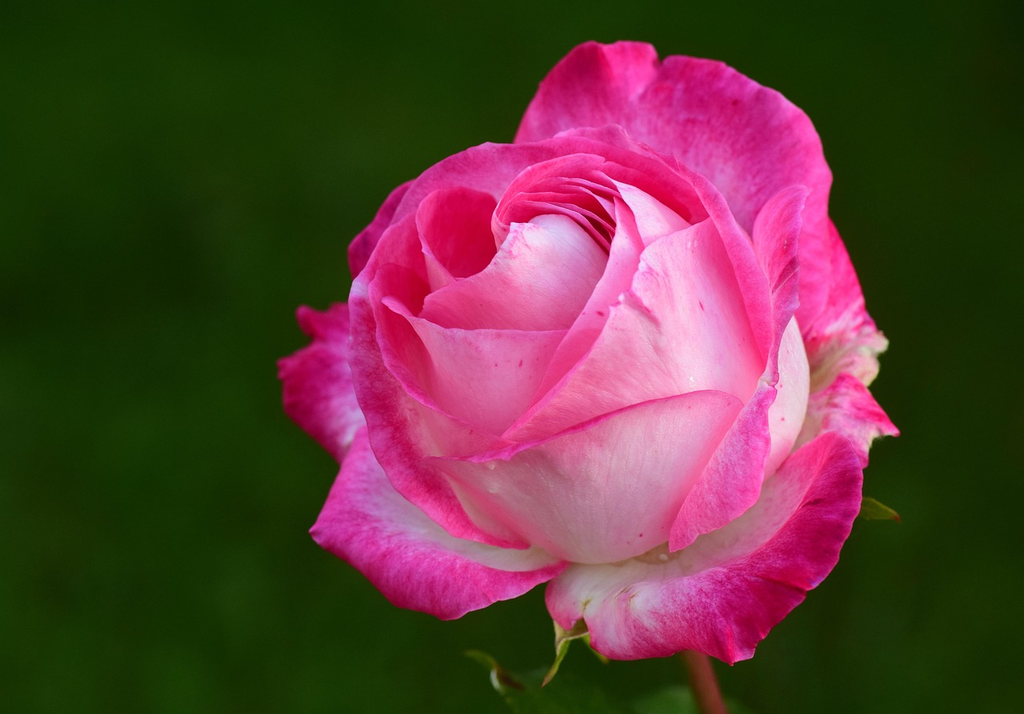
The nutritional needs of roses and lotuses are essential for healthy flower blooms. Both require a balanced supply of macronutrients such as nitrogen for foliage growth, phosphorus for strong root and flower development, and potassium for overall plant health. Additionally, micronutrients like magnesium, iron, and calcium support vibrant blooms and disease resistance. Proper watering and well-drained, fertile soil further enhance their ability to absorb nutrients, resulting in lush, colorful flowers.
Nutritional Needs of Roses
The nutritional needs of roses and lotuses are essential for healthy flower blooms. Both require a balanced supply of macronutrients such as nitrogen for foliage growth, phosphorus for strong root and flower development, and potassium for overall plant health. Additionally, micronutrients like magnesium, iron, and calcium support vibrant blooms and disease resistance. Proper watering and well-drained, fertile soil further enhance their ability to absorb nutrients, resulting in lush, colorful flowers.
💡 Key Takeaways
- Identify the key macronutrients (nitrogen, phosphorus, and potassium) and their roles in foliage, roots, and blooms for roses and lotuses.
- Understand essential micronutrients, including magnesium, and how their levels influence plant health and flower quality.
- Learn how to balance feeding to promote strong growth and vibrant blooms without risking nutrient imbalance.
- Recognize common signs of nutrient deficiency or excess and adjust your fertilization plan for roses and lotuses.
❓ Frequently Asked Questions
What are the essential macronutrients for roses and lotuses?
The three primary macronutrients are nitrogen (N) for foliage growth, phosphorus (P) for strong roots and blooms, and potassium (K) for overall plant health and bloom quality.
Which micronutrients are important and what do they do?
Micronutrients such as magnesium (Mg), iron (Fe), manganese (Mn), zinc (Zn), boron (B), and copper (Cu) support photosynthesis, bloom development, and root health; magnesium helps chlorophyll.
How can I tell if my roses or lotuses are nutrient deficient or imbalanced?
Look for signs like yellowing leaves, interveinal chlorosis, stunted growth, or poor flowering; different deficiencies show characteristic patterns (e.g., N deficiency causes overall pale leaves; Mg deficiency causes yellowing between veins on older leaves).
How should I feed roses vs lotuses?
Roses in soil beds: use a balanced N-P-K fertilizer according to label directions and water in during active growth. Lotuses in ponds or very wet soil: use a water-soluble fertilizer formulated for aquatic plants, applied per label during the growing season.