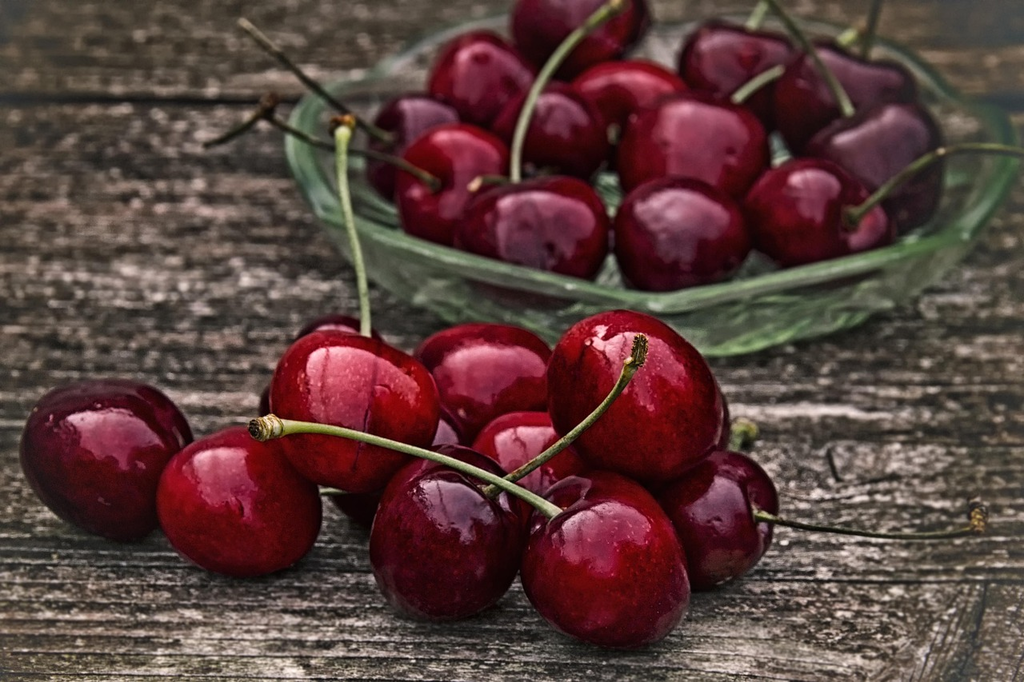
Organic orange farming involves cultivating oranges without synthetic chemicals, using natural fertilizers and eco-friendly pest control methods. This sustainable approach ensures that the fruit remains fresh, safe, and rich in nutrients. Alongside oranges, cherries may also be grown using similar organic practices. The result is high-quality, flavorful produce that supports environmental health and meets the growing consumer demand for fresh, chemical-free fruits.
Organic Orange Farming
Organic orange farming involves cultivating oranges without synthetic chemicals, using natural fertilizers and eco-friendly pest control methods. This sustainable approach ensures that the fruit remains fresh, safe, and rich in nutrients. Alongside oranges, cherries may also be grown using similar organic practices. The result is high-quality, flavorful produce that supports environmental health and meets the growing consumer demand for fresh, chemical-free fruits.

💡 Key Takeaways
- Understand the basics of organic citrus farming and what certification entails.
- Improve soil health for orange trees using compost, mulch, cover crops, and pH management.
- Apply integrated pest and disease management using non-synthetic methods suitable for oranges.
- Manage nutrients and irrigation with organic fertilizers, soil/tissue testing, and water-efficient practices.
- Optimize harvest timing and post-harvest handling while maintaining organic standards.
❓ Frequently Asked Questions
What is organic orange farming?
Organic orange farming uses natural inputs and practices to grow oranges, protecting soil health and avoiding synthetic chemicals, with goals aligned to organic standards.
How are nutrients supplied in organic orange farming?
Nutrients come from approved organic sources such as compost, manure, cover crops, and mineral amendments, guided by soil tests and aimed at building soil fertility.
How is pest and disease management handled in organic orange farming?
Through integrated pest management: maintain tree vigor, use beneficial insects and traps, practice sanitation, and apply allowed organic sprays (e.g., neem oil, horticultural oils, Bacillus thuringiensis) when needed.
What certification is required to label oranges as organic?
Organic certification from a recognized certifier is required, involving adherence to organic standards, documentation of inputs, and annual inspections (standards vary by country).