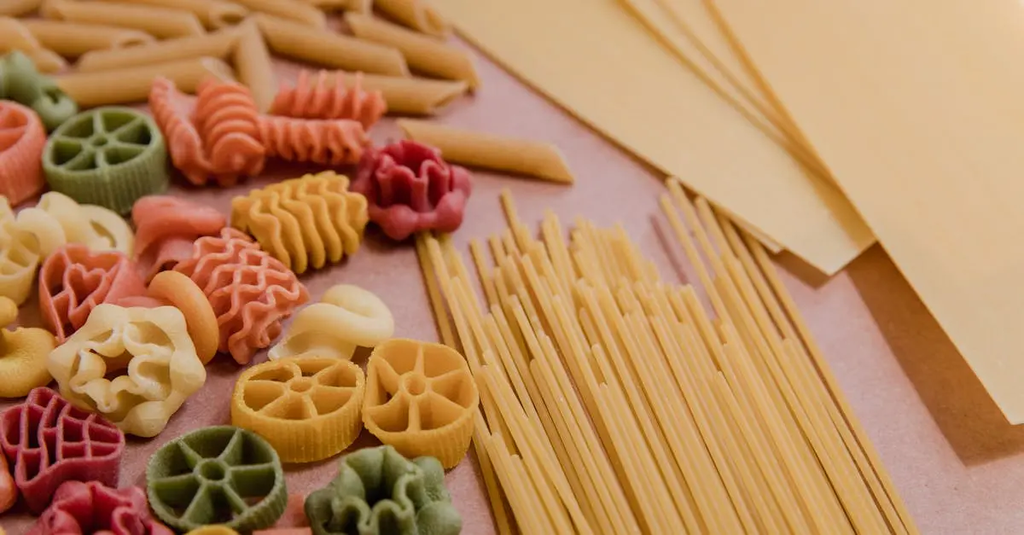
Pasta and noodles varieties encompass a wide range of shapes, sizes, and textures made from different ingredients such as wheat, rice, or buckwheat. Italian pasta includes types like spaghetti, penne, and fusilli, often paired with various sauces. Asian noodles feature options like ramen, soba, and rice noodles, each suited to unique regional dishes. These varieties reflect cultural traditions and offer diverse culinary experiences worldwide.
Pasta and Noodles Varieties
Pasta and noodles varieties encompass a wide range of shapes, sizes, and textures made from different ingredients such as wheat, rice, or buckwheat. Italian pasta includes types like spaghetti, penne, and fusilli, often paired with various sauces. Asian noodles feature options like ramen, soba, and rice noodles, each suited to unique regional dishes. These varieties reflect cultural traditions and offer diverse culinary experiences worldwide.
💡 Key Takeaways
- Distinguish pasta from noodles and how ingredients (wheat, rice, buckwheat) affect texture and cooking time.
- Name common Italian shapes (spaghetti, penne, fusilli) and the sauces they pair best with.
- Identify major Asian noodles (ramen, soba, udon, rice noodles) and how their ingredients influence texture and cooking approach.
- Understand how shape and size influence sauce adhesion and mouthfeel, and how to pair them for best flavor.
❓ Frequently Asked Questions
What is the difference between pasta and noodles?
Pasta is usually durum wheat-based (often with eggs) and associated with Italian dishes, while noodles are a broader category using wheat, rice, buckwheat, or other flours common to many cuisines.
What are the common base ingredients for pasta and noodles?
The standard base is flour and water; pasta often uses durum wheat semolina (sometimes eggs), whereas noodles can be made from wheat, rice, buckwheat, or other flours.
How should you pair shapes with sauces?
Long, smooth shapes (like spaghetti) suit light sauces; short, ridged, or hollow shapes (like penne or fusilli) hold chunky or creamy sauces; choose based on sauce thickness and texture.
How do you cook pasta or noodles to the right texture?
Boil salted water, cook until al dente (firm to the bite) per package, taste-test, and reserve a bit of cooking water to finish the sauce.