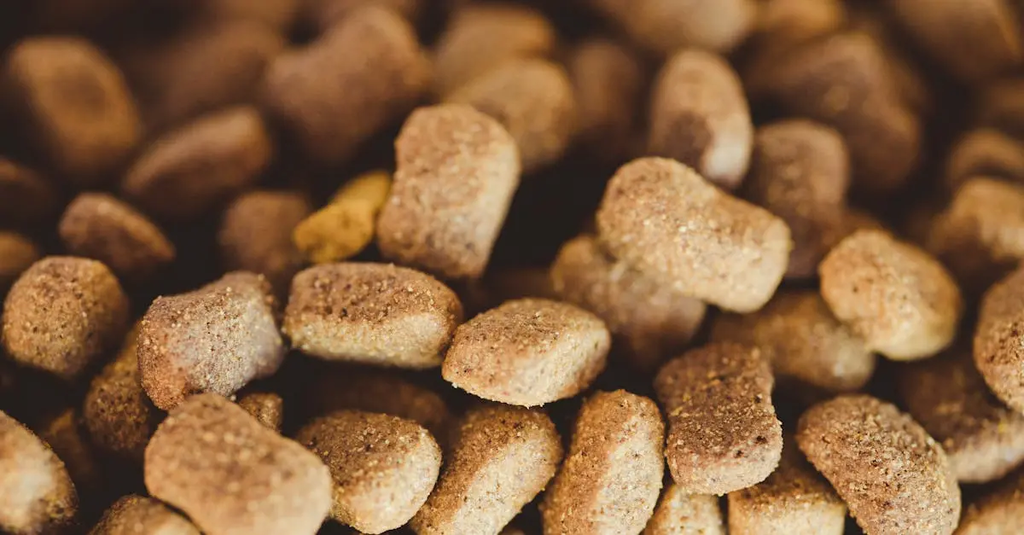
Portion control for dogs refers to regulating the amount of food given to a dog during each meal to ensure they receive the right balance of nutrients and maintain a healthy weight. Proper portion control helps prevent obesity, supports overall health, and reduces the risk of diseases. It involves measuring food based on the dog’s age, size, activity level, and specific dietary needs, rather than free-feeding or guessing amounts.
Portion Control for Dogs+50
Portion control for dogs refers to regulating the amount of food given to a dog during each meal to ensure they receive the right balance of nutrients and maintain a healthy weight. Proper portion control helps prevent obesity, supports overall health, and reduces the risk of diseases. It involves measuring food based on the dog’s age, size, activity level, and specific dietary needs, rather than free-feeding or guessing amounts.
💡 Key Takeaways
- Understand the purpose of portion control and how it supports a dog's healthy weight and overall health
- Learn how to determine appropriate portions based on weight, age, activity level, and life stage
- Discover practical strategies for measuring, portioning, and scheduling meals to prevent over- or underfeeding
- Identify signs of overfeeding or underfeeding and know when to adjust portions or seek veterinary advice
❓ Frequently Asked Questions
What is portion control for dogs?
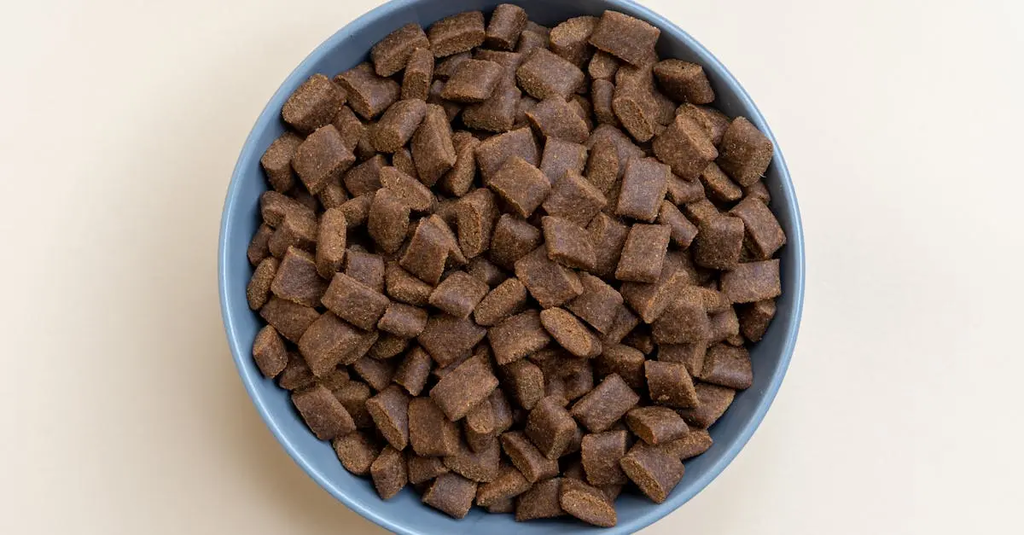
Portion control means feeding your dog the right amount of food per meal to meet energy needs and maintain a healthy weight, often by measuring portions and adjusting for age, weight, and activity.
How do I determine the right portion size for my dog?
Begin with the food packaging guidelines for your dog’s weight, then adjust based on body condition and monthly weight checks. A vet can help set an ideal target weight and portion plan.
Why is portion control important for a dog's health?
It helps prevent obesity, supports overall health and mobility, and lowers the risk of obesity-related diseases by ensuring balanced portions over time.
How should I structure feeding times and monitor portions?
Feed on a regular schedule (often two meals per day for adults); measure each meal, avoid free-feeding, and gradually adjust portions over 7–14 days if changing the amount.