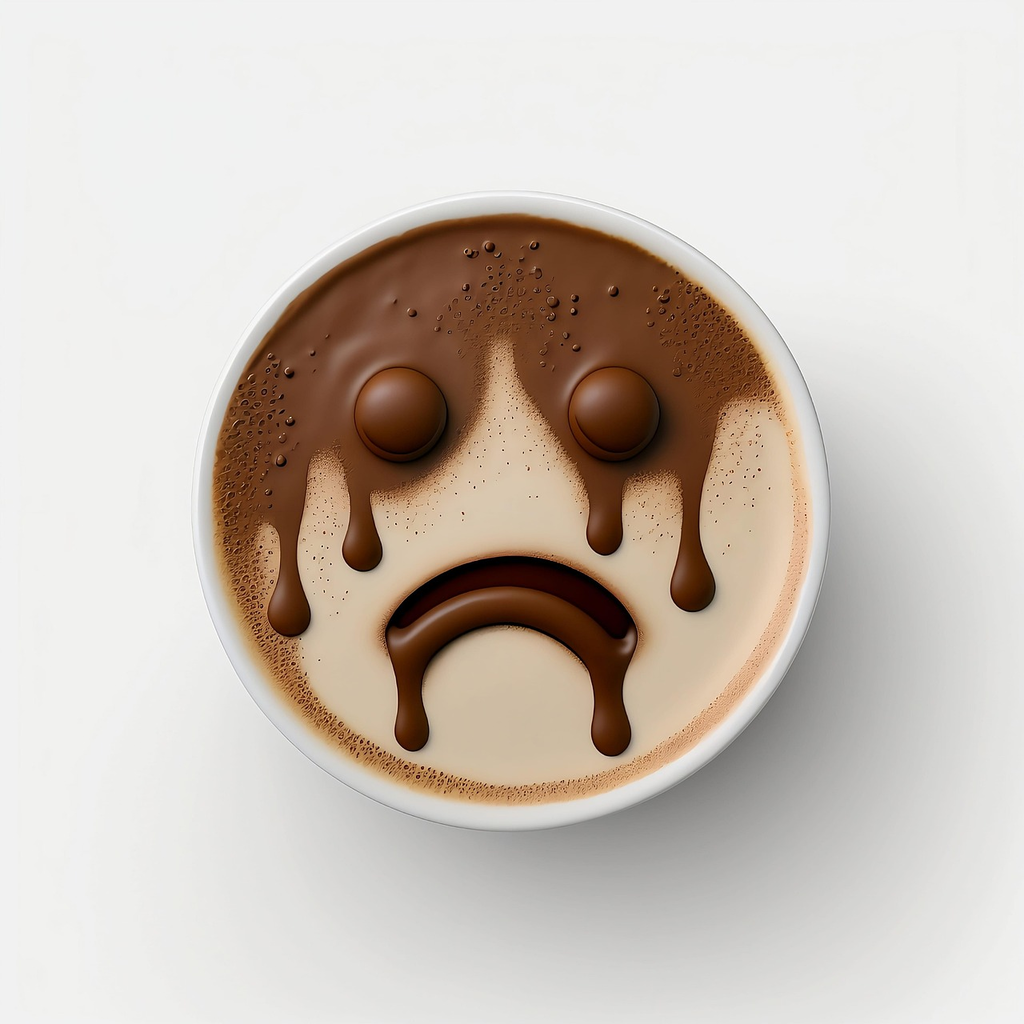
The psychological impact of crying emojis, including those depicting both smiles and tears, lies in their ability to convey complex emotions quickly and non-verbally. These emojis can express empathy, sadness, joy, or bittersweet feelings, enabling users to communicate nuanced emotional states. Their use often fosters emotional connection and understanding in digital conversations, but frequent reliance on them may also mask true feelings or diminish the depth of real emotional expression.
Psychological Impact of Crying Emojis
The psychological impact of crying emojis, including those depicting both smiles and tears, lies in their ability to convey complex emotions quickly and non-verbally. These emojis can express empathy, sadness, joy, or bittersweet feelings, enabling users to communicate nuanced emotional states. Their use often fosters emotional connection and understanding in digital conversations, but frequent reliance on them may also mask true feelings or diminish the depth of real emotional expression.
💡 Key Takeaways
- Understand how crying emojis convey sadness and elicit emotional responses in online conversations.
- Learn how interpretation of crying emojis varies by context, audience, and cultural norms.
- Explore how crying emojis can affect impressions of sincerity, empathy, and social bonding.
- Identify guidelines for using crying emojis effectively to support or acknowledge others without miscommunication.
❓ Frequently Asked Questions
What does the crying emoji usually convey in online chats?
It signals sadness or emotional overwhelm and helps convey tone when facial expressions aren’t visible.
How can crying emojis affect the recipient's response?
They often invite empathy and support, but can be misread as sarcasm or over-dramatization if the context is unclear.
Do interpretations of crying emojis vary by culture, age, or platform?
Yes. Different groups may see it as genuine sadness, humor, or exaggeration, and platform norms can shape interpretation.
What are best practices for using crying emojis in discussions or quizzes?
Use to clarify emotion, avoid excessive use, pair with plain text for context, and consider the audience to prevent misreading.