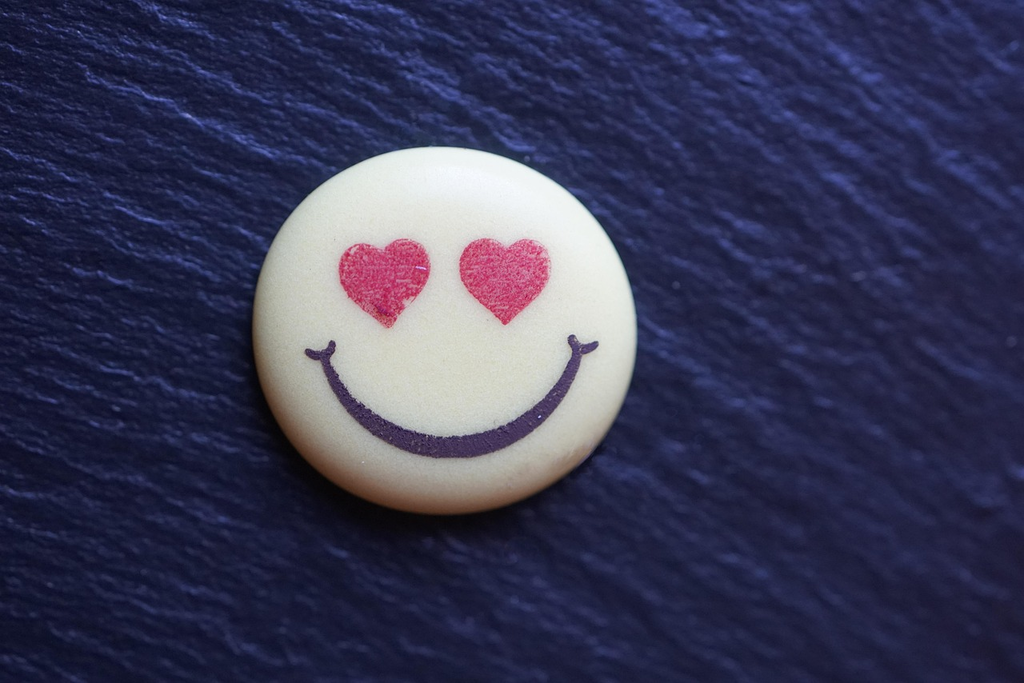
The psychological impact of heart emojis, along with emotion emojis like smiles and tears, is significant in digital communication. They convey warmth, empathy, and emotional nuance, helping users express feelings that words alone may not capture. Heart emojis often foster feelings of affection and support, while smile and tear emojis can signal happiness, empathy, or sadness. Collectively, these symbols enhance emotional connection, reduce misunderstandings, and strengthen social bonds in virtual interactions.
Psychological Impact of Heart Emojis
The psychological impact of heart emojis, along with emotion emojis like smiles and tears, is significant in digital communication. They convey warmth, empathy, and emotional nuance, helping users express feelings that words alone may not capture. Heart emojis often foster feelings of affection and support, while smile and tear emojis can signal happiness, empathy, or sadness. Collectively, these symbols enhance emotional connection, reduce misunderstandings, and strengthen social bonds in virtual interactions.
💡 Key Takeaways
- Understand how heart emojis signal warmth, care, and relationship intent in online messages.
- Identify variations (e.g., red heart, beating heart) and their common meanings to avoid misinterpretation.
- Explore how context, relationship type, and timing influence how heart emojis are received and perceived as closeness or intimacy.
- Consider potential drawbacks of overuse, including perceived insincerity or pressure, and note cultural nuances that affect interpretation.
❓ Frequently Asked Questions
What does a heart emoji typically signify in digital messages?
It generally signals warmth, care, or approval; the exact meaning depends on the relationship and context.
How can heart emojis affect how someone perceives the message’s sincerity?
They can add warmth and friendliness, but overuse or ill-timed use may make the message seem less sincere or too casual.
Are heart emojis interpreted differently across cultures or age groups?
Yes. Interpretations vary by culture, age, and personal norms; some may view hearts as romantic, others as friendly or supportive.
Can using heart emojis influence online relationships or mood?
Yes; they can strengthen connection and supportive tone, but misinterpretation or inappropriate use can cause discomfort or tension.
Do different heart colors convey different meanings?
Often yes; red may signal love or strong affection, yellow friendship, pink gentleness, etc., though meanings can differ by person and context.