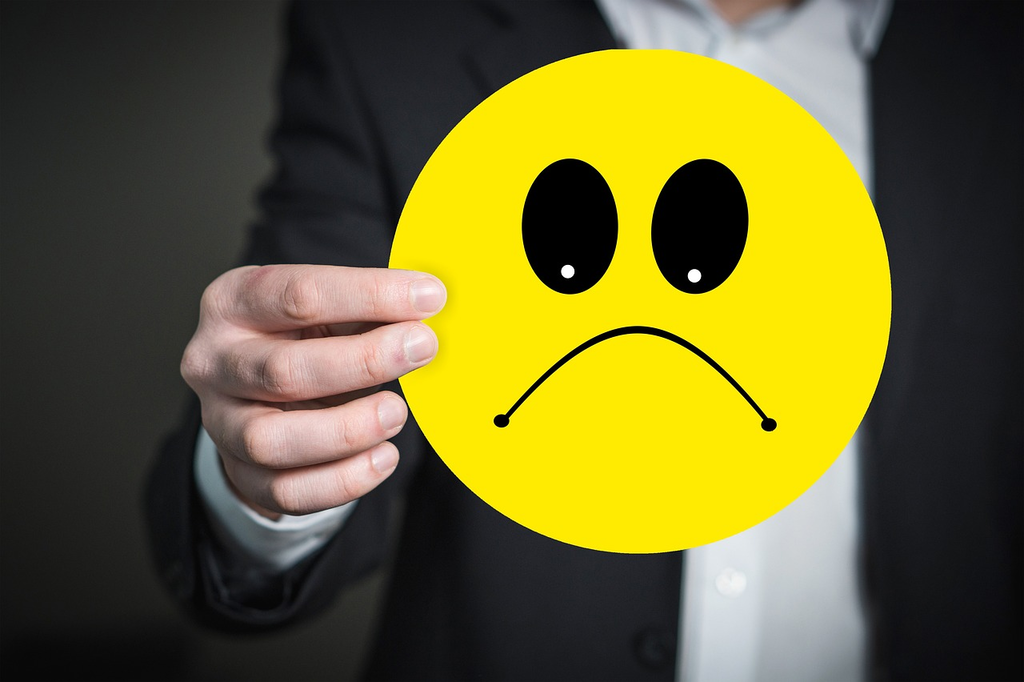
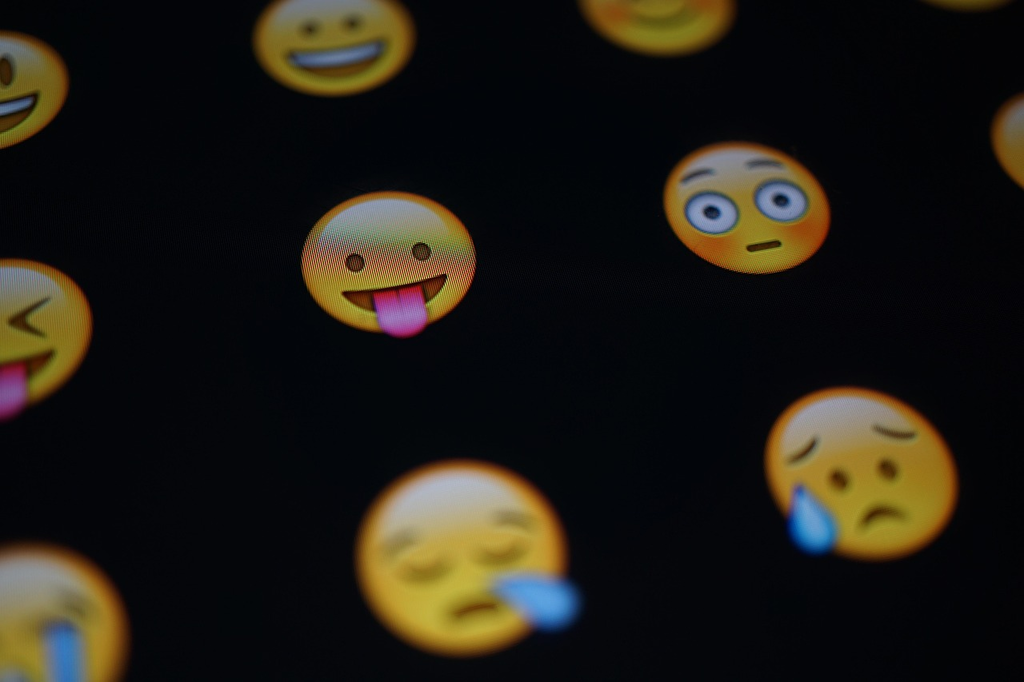
The psychological impact of surprised emojis, particularly those depicting smiles and tears, lies in their ability to instantly convey complex emotions. Smiling surprised emojis can evoke feelings of joy, excitement, or pleasant astonishment, fostering positive social interactions. Tearful surprised emojis, on the other hand, may express shock, empathy, or sadness, prompting emotional connection and understanding. Overall, these emojis enhance digital communication by making emotional intent clearer and more relatable.
Psychological Impact of Surprised Emojis
The psychological impact of surprised emojis, particularly those depicting smiles and tears, lies in their ability to instantly convey complex emotions. Smiling surprised emojis can evoke feelings of joy, excitement, or pleasant astonishment, fostering positive social interactions. Tearful surprised emojis, on the other hand, may express shock, empathy, or sadness, prompting emotional connection and understanding. Overall, these emojis enhance digital communication by making emotional intent clearer and more relatable.

💡 Key Takeaways
- Understand how surprised emojis signal emotion and influence how a message is interpreted.
- Differentiate between surprised emoji variants (e.g., 😮 vs 😲) and the subtle nuances they carry.
- Explore how context and culture shape the meaning of surprised emojis in online communication.
- Evaluate how using surprised emojis affects perceived sincerity, tone, and relationship dynamics.
❓ Frequently Asked Questions
What does the surprised emoji typically signal in digital communication?
It signals surprise or astonishment and is often used to convey a genuine reaction or to soften a statement with a playful tone.
How can the surprised emoji influence the perceived tone of a message?
It adds an emotional cue that can make the message seem more enthusiastic, friendly, or humorous, depending on the context.
Do meanings of surprised emojis vary across cultures or platforms?
Yes. Interpretations can differ by culture, age group, and app norms; what feels playful on one platform may come across differently on another.
How can you use surprised emojis to minimize misinterpretation?
Pair the emoji with clear text, consider your audience, and avoid ambiguous combinations to ensure your intended emotion is understood.