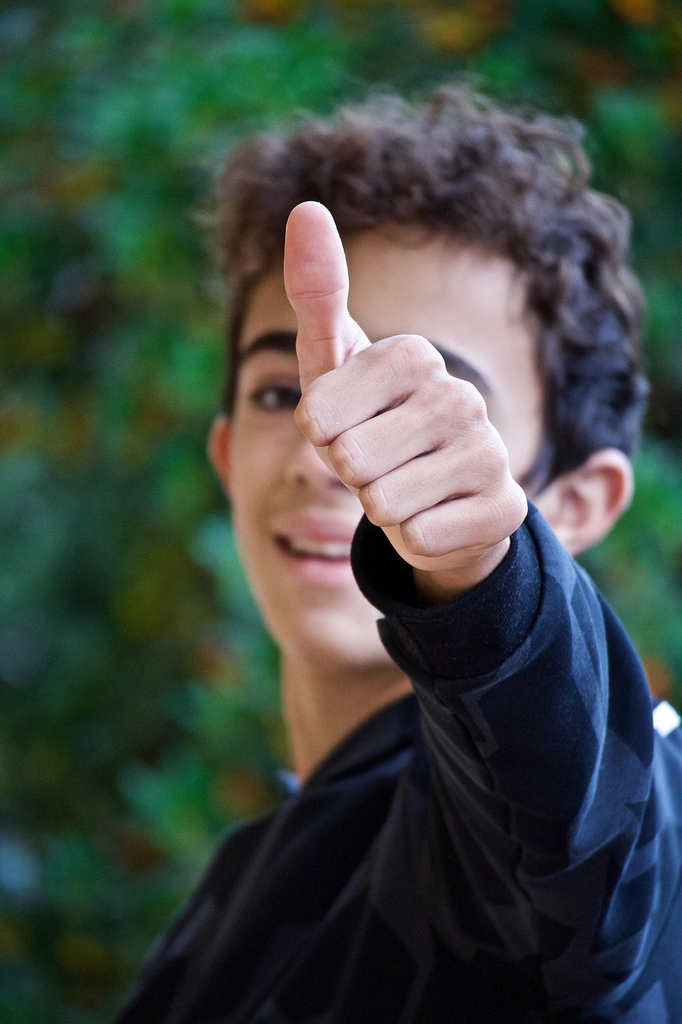
Sociological perspectives on the "thumbs up" and emotion emojis like smiles and tears highlight how digital symbols shape social interactions and express approval, support, or empathy in online communication. These emojis function as nonverbal cues, bridging gaps in text-based conversations and reinforcing group norms. Their usage reflects cultural meanings, social relationships, and emotional dynamics, illustrating how technology mediates and transforms the ways individuals connect, convey feelings, and maintain social bonds in virtual environments.
Sociological Perspectives on Thumbs Up
Sociological perspectives on the "thumbs up" and emotion emojis like smiles and tears highlight how digital symbols shape social interactions and express approval, support, or empathy in online communication. These emojis function as nonverbal cues, bridging gaps in text-based conversations and reinforcing group norms. Their usage reflects cultural meanings, social relationships, and emotional dynamics, illustrating how technology mediates and transforms the ways individuals connect, convey feelings, and maintain social bonds in virtual environments.

💡 Key Takeaways
- Understand what a thumbs-up signals in different social contexts and cultures.
- See how online 'likes' (thumbs-ups) influence perceptions of popularity and credibility.
- Explore norms, etiquette, and power dynamics around giving or withholding a thumbs-up in work and public settings.
- Reflect on the limitations of a thumbs-up as a simple measure of sentiment.
❓ Frequently Asked Questions
What does a thumbs up commonly signal in many Western cultures?
Approval or agreement; a quick, positive acknowledgment of a person's action or suggestion.
Which sociological theory helps explain how a thumbs up gains meaning beyond the gesture itself?
Symbolic Interactionism: meanings are created and interpreted through social interaction and shared symbols.
Why can the meaning of a thumbs up vary across cultures or contexts?
Cultural norms and situational context shape interpretation; what’s polite in one setting may be rude or confusing in another.
How has the thumbs up evolved in online platforms, and what might this imply for social behavior?
Online 'likes' standardize quick approval, affect visibility and feedback, and can influence self-esteem and norms around participation.