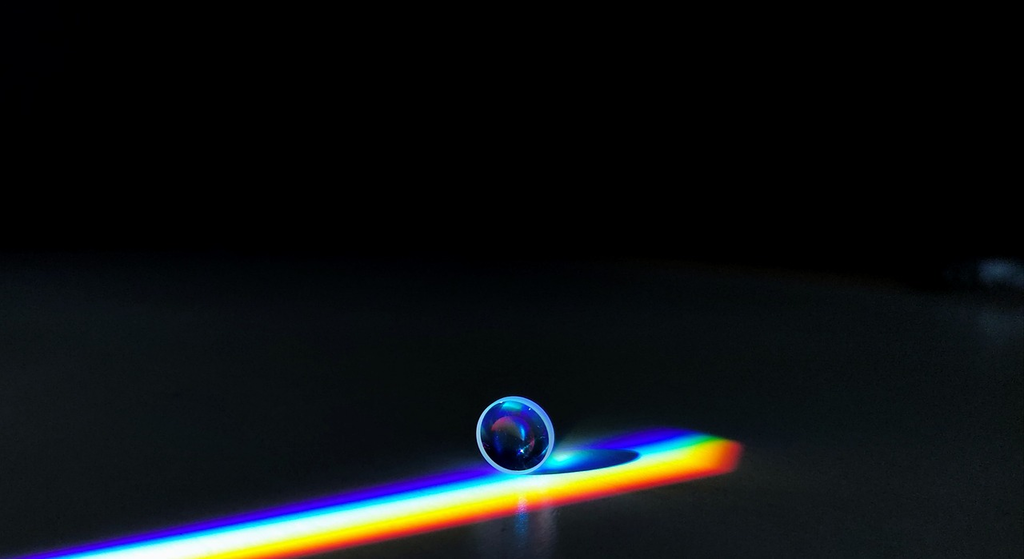
Rainbow symbolism often represents hope, promise, and renewal, appearing after storms as a sign of brighter times ahead. In many cultures, rainbows are seen as bridges between the earthly and the divine, embodying harmony and unity. Alongside stars, which symbolize guidance and inspiration, rainbows in the sky serve as reminders of beauty, transformation, and the connection between nature and spiritual realms.
Rainbow Symbolism
Rainbow symbolism often represents hope, promise, and renewal, appearing after storms as a sign of brighter times ahead. In many cultures, rainbows are seen as bridges between the earthly and the divine, embodying harmony and unity. Alongside stars, which symbolize guidance and inspiration, rainbows in the sky serve as reminders of beauty, transformation, and the connection between nature and spiritual realms.

💡 Key Takeaways
- Explore common meanings attached to rainbows across cultures and times (hope, renewal, diversity).
- Analyze how the colors of the rainbow convey different symbolic messages in art, literature, and media.
- Identify mythological and religious associations of rainbows (e.g., bridges, messages from the divine).
- Examine modern uses of rainbow symbolism, including LGBTQ+ pride and inclusive symbolism.
❓ Frequently Asked Questions
What does a rainbow symbolize in many cultures?
It commonly represents hope and renewal, often seen as a bridge between worlds, a sign of peace after a storm, or a divine promise depending on tradition.
What do the colors of the rainbow typically symbolize?
Each color carries meanings: red energy, orange creativity, yellow optimism, green growth, blue calm, indigo intuition, and violet spirituality; meanings can vary by culture.
How is the rainbow used in contemporary symbolism?
Today it is widely used as a symbol of LGBTQ+ pride and diversity, representing inclusion and community.
Are there notable myths or stories about rainbows?
Yes. In Greek myth, Iris is the rainbow messenger; in the Bible, the rainbow signifies God’s promise after the flood; in Norse myth, Bifröst is the rainbow bridge between realms.