Rare and exotic houseplants require specialized care to thrive. They often need precise lighting, humidity, and temperature conditions that mimic their natural habitats. Proper watering techniques are crucial to prevent root rot or dehydration. Using well-draining soil and appropriate pots helps maintain healthy roots. Regular monitoring for pests and diseases is essential, as these plants can be more sensitive than common varieties. Consistent attention ensures their unique beauty endures indoors.
Rare & Exotic Houseplants Care
Rare and exotic houseplants require specialized care to thrive. They often need precise lighting, humidity, and temperature conditions that mimic their natural habitats. Proper watering techniques are crucial to prevent root rot or dehydration. Using well-draining soil and appropriate pots helps maintain healthy roots. Regular monitoring for pests and diseases is essential, as these plants can be more sensitive than common varieties. Consistent attention ensures their unique beauty endures indoors.
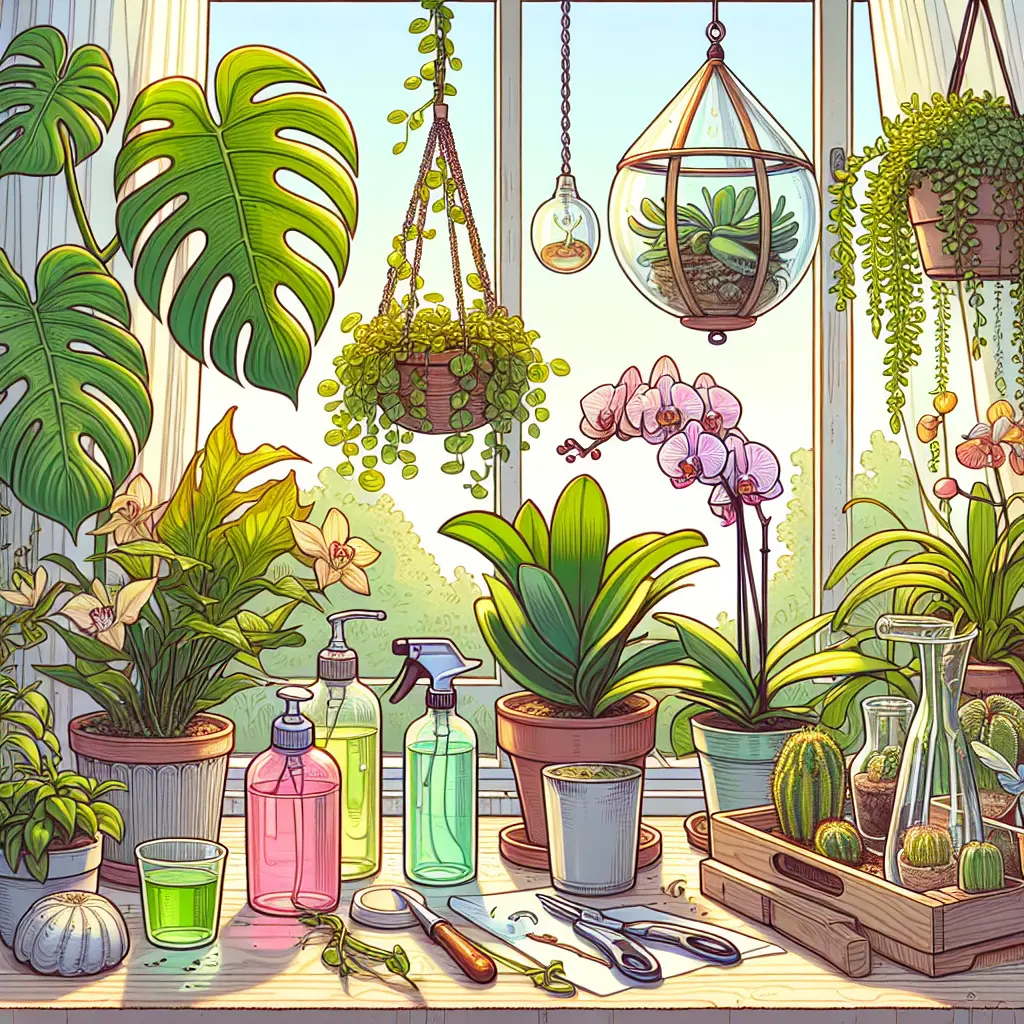
💡 Key Takeaways
- Identify the precise lighting, humidity, and temperature needs of rare and exotic houseplants to replicate their natural habitats.
- Apply proper watering techniques to prevent root rot and dehydration.
- Select well-draining soil and appropriate pots tailored for exotic species.
- Diagnose and troubleshoot common issues like improper humidity or overwatering to keep plants healthy.
❓ Frequently Asked Questions
What makes rare and exotic houseplants require specialized care?
They originate from specific wild habitats, so they need careful attention to light, temperature, and humidity to mimic those conditions.
How can you maintain appropriate humidity for tropical exotics?
Increase ambient humidity with plant grouping, humidity trays, regular misting, or a humidifier; adjust to each species' preferred range.
Why is well-draining soil and a proper pot important?
It prevents root rot by avoiding waterlogged roots; use a light, porous soil mix and pots with drainage holes.
What is a safe watering routine for rare exotics?
Water thoroughly when the top inch of soil dries, ensure excess drains, and avoid letting the plant sit in standing water.