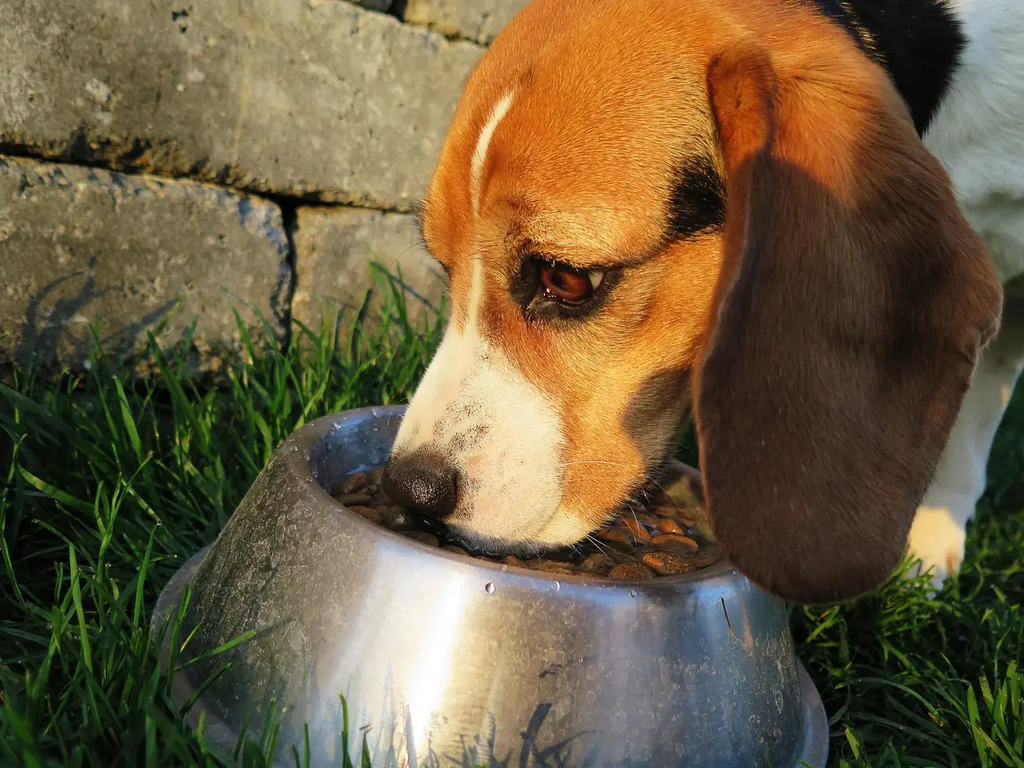
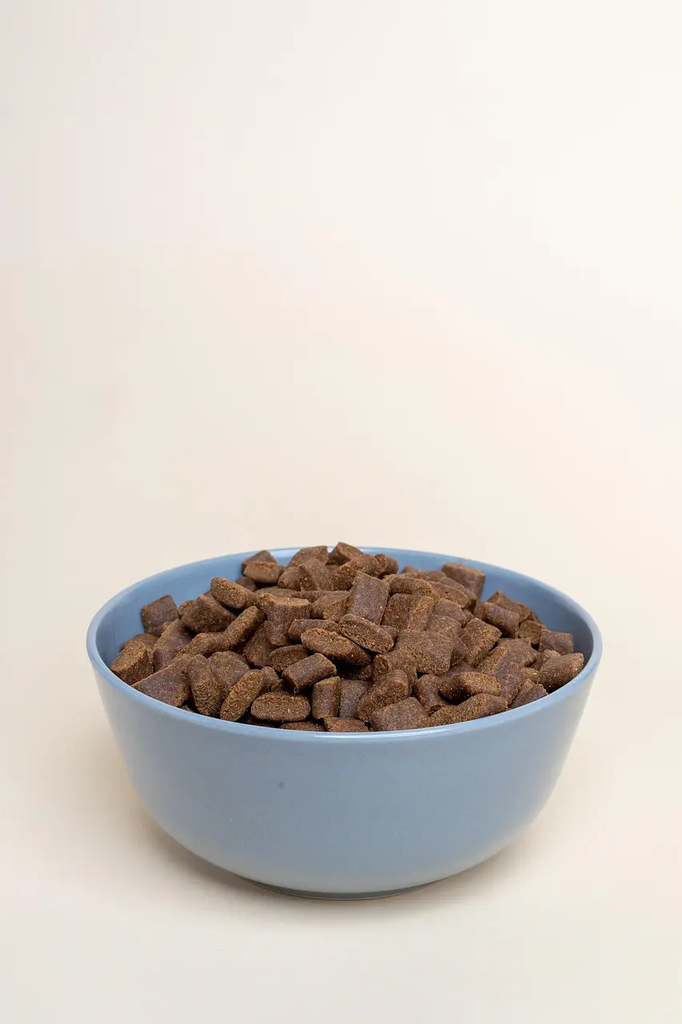
A raw food diet for dogs involves feeding them uncooked, natural foods such as raw meat, bones, fruits, and vegetables instead of commercial dog food. Proponents believe this diet mirrors what dogs’ ancestors ate in the wild, promoting better digestion, healthier coats, and increased energy. However, it requires careful planning to ensure nutritional balance and to avoid risks like bacterial contamination or bone injuries. Always consult a veterinarian before switching to a raw diet.
Raw Food Diet for Dogs
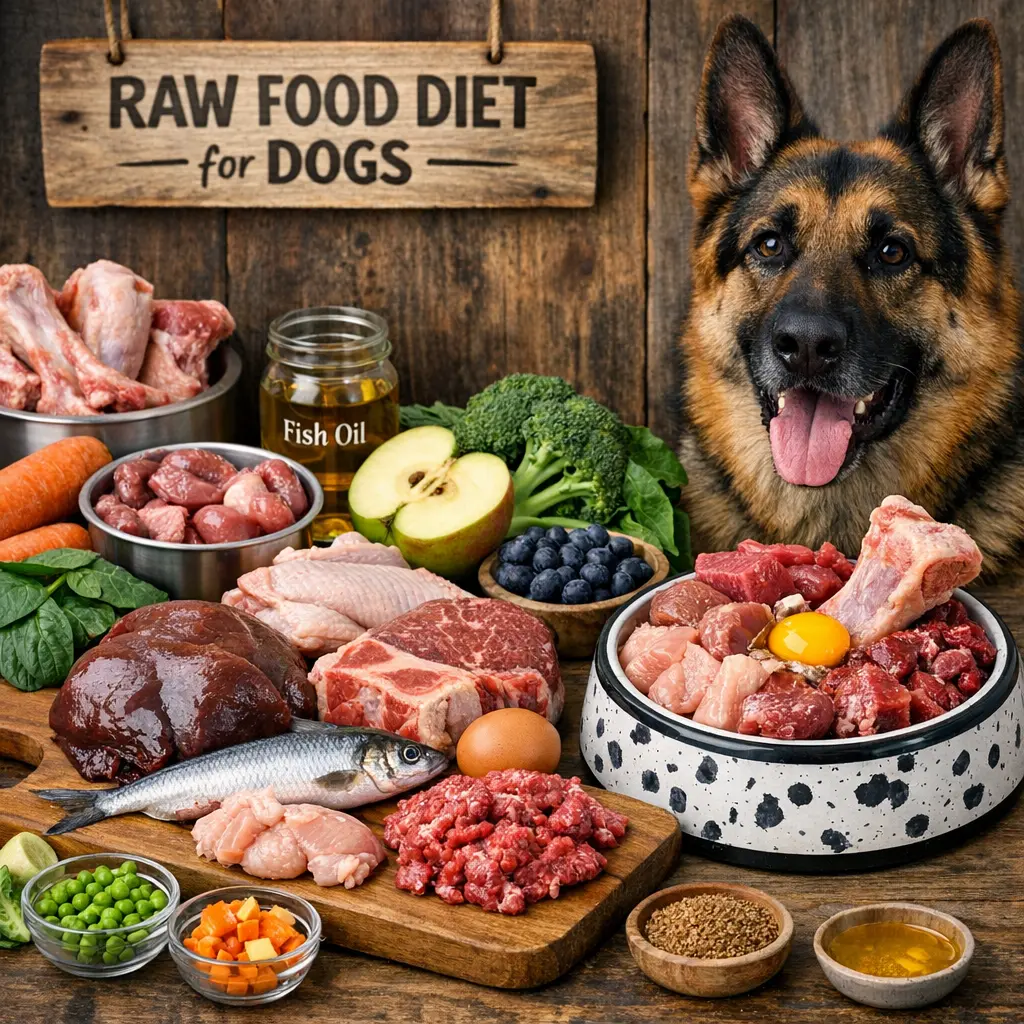
A raw food diet for dogs involves feeding them uncooked, natural foods such as raw meat, bones, fruits, and vegetables instead of commercial dog food. Proponents believe this diet mirrors what dogs’ ancestors ate in the wild, promoting better digestion, healthier coats, and increased energy. However, it requires careful planning to ensure nutritional balance and to avoid risks like bacterial contamination or bone injuries. Always consult a veterinarian before switching to a raw diet.
💡 Key Takeaways
- Understand the potential benefits and risks of a raw dog food diet
- Identify common components of a balanced raw meal plan for dogs
- Recognize safety considerations, handling, and contamination risks
- Compare raw feeding to traditional kibble and canned diets
- Learn when to consult a veterinarian or canine nutritionist before changing diets
❓ Frequently Asked Questions
What is a raw food diet for dogs?
A diet made mostly of uncooked ingredients—raw muscle meat, organ meat, and often raw bones—sometimes with fruits/vegetables. Processed kibble is minimized or avoided.
What are potential benefits of feeding a raw diet to dogs?
Some owners report healthier coat, cleaner teeth, smaller stools, and improved energy; evidence is mixed and depends on proper balance and the individual dog.
What are common risks and safety concerns with raw dog diets?
Bacterial contamination can affect pets and humans; bones can cause choking or dental injuries; nutrients can be imbalanced; cross-contamination and storage concerns.
How should a raw diet be balanced and what ingredients are typical?
Typical blends include muscle meat, organ meat, and bone to supply calcium. Balance is critical (calcium–phosphorus ratio) and vitamins/minerals may be needed; many people use commercial raw meals or work with a veterinary nutritionist.
How can I transition my dog to a raw diet safely and what should I monitor?
Transition gradually over 1–2 weeks, start with familiar proteins, watch for digestive upset or changes in stool, ensure safe handling and hygiene, and consult a vet if your dog has health issues.