Referees & VAR Overview refers to the roles and responsibilities of match officials and the use of Video Assistant Referee technology in football. Referees manage the game on the field, enforcing rules and making decisions. VAR supports referees by reviewing key incidents such as goals, penalties, and red cards using video footage, aiming to minimize errors and ensure fair play. This system enhances decision-making accuracy and overall match integrity.
Referees & VAR Overview+50
Referees & VAR Overview refers to the roles and responsibilities of match officials and the use of Video Assistant Referee technology in football. Referees manage the game on the field, enforcing rules and making decisions. VAR supports referees by reviewing key incidents such as goals, penalties, and red cards using video footage, aiming to minimize errors and ensure fair play. This system enhances decision-making accuracy and overall match integrity.
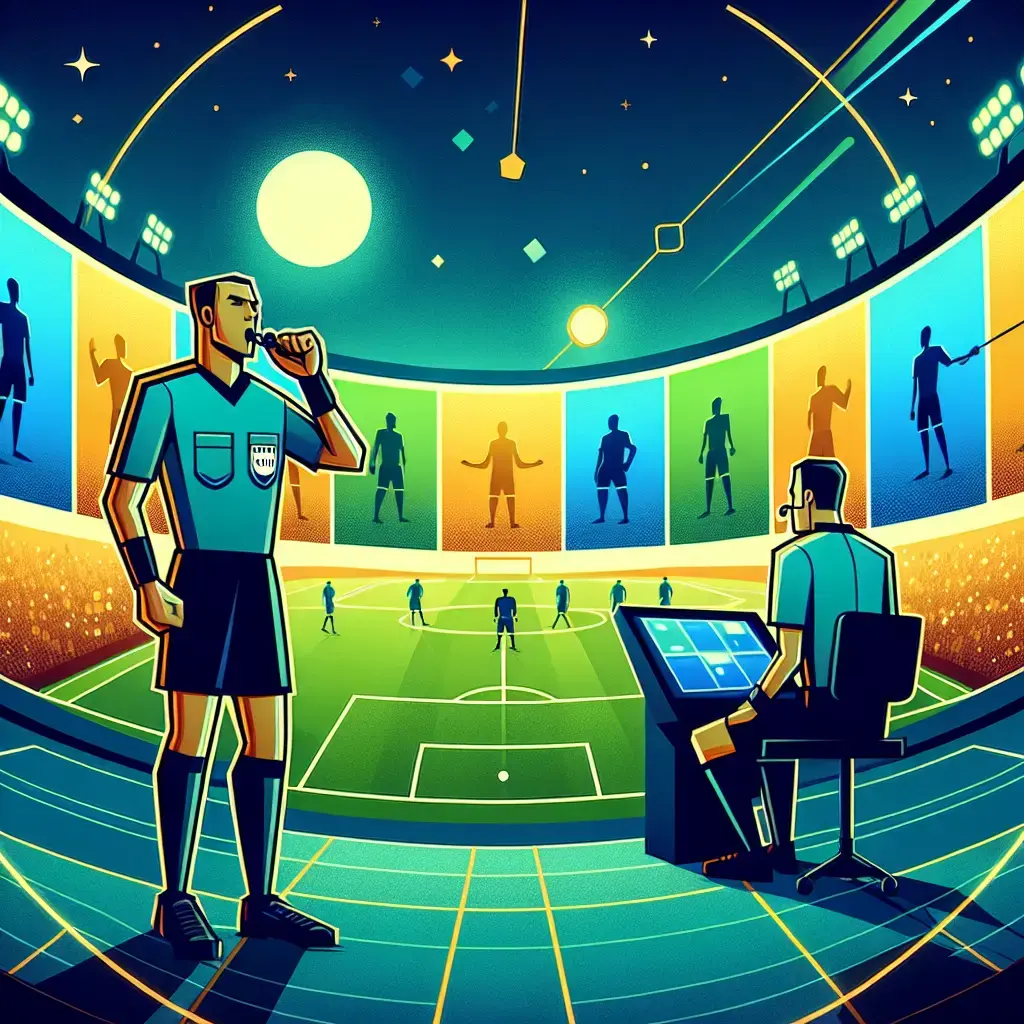
💡 Key Takeaways
- Referees' on-field roles: enforce laws, manage the match, and make decisions.
- How VAR supports referees through reviews of key incidents.
- Incidents VAR reviews: goals, penalties, direct red cards, and mistaken identity.
- Final decision rests with the on-field referee after VAR guidance and review.
❓ Frequently Asked Questions
What is the main role of referees in a football match?
To enforce the laws of the game, manage play on the field, and make decisions on fouls, free kicks, penalties, and bookings to ensure fair play.
What does VAR stand for and what does it do?
VAR stands for Video Assistant Referee; it reviews video replays to help the on-field referee correct clear errors on key moments.
Which incidents can VAR review?
Goals, penalties, direct red cards, mistaken identity, and offside decisions in many competitions.
How does VAR interact with the referee during a match?
If a review is needed, VAR informs the referee, who may review footage on a monitor or accept the on-field call; the final decision rests with the on-field referee.