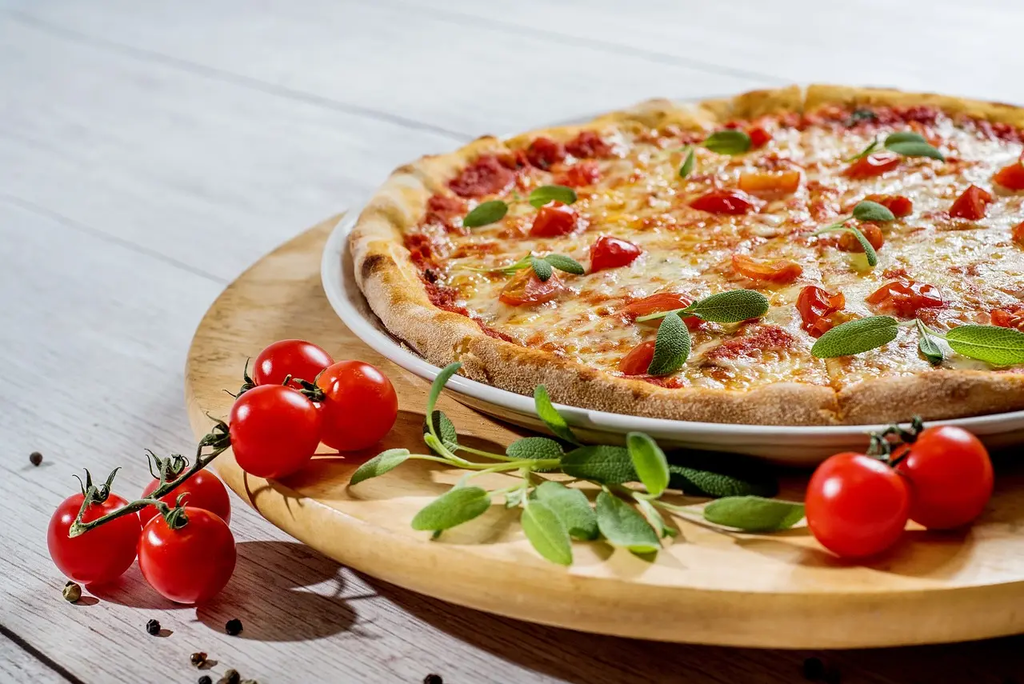
Regional variations in pizza showcase the diversity of this beloved dish across the globe. From Italy’s thin, wood-fired Neapolitan pizzas topped with fresh mozzarella and basil, to Chicago’s deep-dish, cheese-laden pies, and Japan’s seafood-topped creations, each region adapts pizza to local tastes and ingredients. These differences highlight cultural influences, cooking techniques, and flavor preferences, making pizza a versatile and globally cherished food.
Regional Variations in Pizza
Regional variations in pizza showcase the diversity of this beloved dish across the globe. From Italy’s thin, wood-fired Neapolitan pizzas topped with fresh mozzarella and basil, to Chicago’s deep-dish, cheese-laden pies, and Japan’s seafood-topped creations, each region adapts pizza to local tastes and ingredients. These differences highlight cultural influences, cooking techniques, and flavor preferences, making pizza a versatile and globally cherished food.
💡 Key Takeaways
- Identify major regional pizza styles (e.g., Neapolitan, New York, Chicago, Sicilian) and how crust, sauce, and cheese differ.
- Explain how dough fermentation, thickness, and baking methods (wood-fired, deck oven, pan) influence texture and flavor across regions.
- Explore how local ingredients and cultural influences shape distinct regional toppings and flavor profiles.
- Compare historical and geographic factors that drove regional pizza variations and how modern pizzerias adapt or fuse these styles.
❓ Frequently Asked Questions
What defines classic Neapolitan pizza, and how is it different from other regional pizzas?
Neapolitan pizza uses simple, high‑quality ingredients (San Marzano tomatoes, mozzarella di bufala) and a soft, blistered crust baked in a wood‑fired oven at very high heat for 60–90 seconds.
How does New York–style pizza crust differ from Neapolitan?
New York–style has a thin, wide, foldable slice with a crisp edge, using higher‑gluten dough and longer fermentation, usually baked in a gas or coal oven rather than wood.
What distinguishes Chicago deep‑dish pizza from other regional styles?
Chicago deep‑dish uses a tall, buttery crust baked in a pan, with cheese and toppings layered under chunky tomato sauce on top, producing a thick, pie‑like slice.
What is pizza al taglio (Roman-style), and how does it illustrate regional variation?
Pizza al taglio is baked in large rectangular sheets and sold by weight; dough is highly hydrated and often airy with a crisp bottom, reflecting local baking methods and preferences.