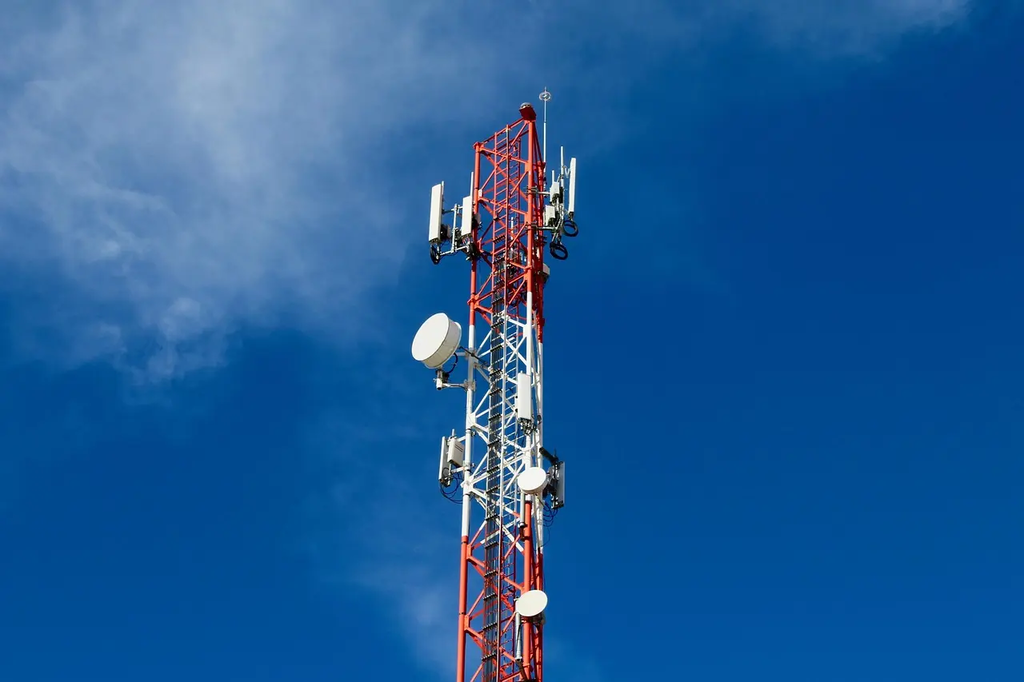
Reliability, Standards, and Certification in telecoms, signals, and power refer to ensuring that systems and equipment consistently perform as intended, meet established industry benchmarks, and are formally approved by recognized bodies. This process involves rigorous testing, adherence to technical protocols, and obtaining certifications that guarantee safety, quality, and interoperability. It is essential for maintaining efficient communication networks, signal integrity, and reliable power distribution in both commercial and critical infrastructure sectors.
Reliability, Standards, and Certification
Reliability, Standards, and Certification in telecoms, signals, and power refer to ensuring that systems and equipment consistently perform as intended, meet established industry benchmarks, and are formally approved by recognized bodies. This process involves rigorous testing, adherence to technical protocols, and obtaining certifications that guarantee safety, quality, and interoperability. It is essential for maintaining efficient communication networks, signal integrity, and reliable power distribution in both commercial and critical infrastructure sectors.

💡 Key Takeaways
- Understand what reliability means for products and services and why it matters for user trust.
- Identify key standards bodies (e.g., ISO, IEC, ANSI) and how standards support quality and safety.
- Explain the certification process, including audits and testing, and what a certificate signifies.
- Differentiate between compliance, certification, and accreditation and how to verify credible certificates.
❓ Frequently Asked Questions
What does reliability mean in the context of products or services?
Reliability means consistent performance and dependability over time under stated conditions, typically measured by metrics like failure rate, mean time between failures (MTBF), and uptime.
What are standards and why are they important?
Standards are documented, agreed-upon criteria that ensure safety, quality, and interoperability. They provide benchmarks for evaluation and help with regulatory compliance and customer trust.
What is certification, and how is it different from simply following a standard?
Certification is an independent assessment by a recognized body that a product, service, or management system meets a defined standard. Merely following a standard is meeting its criteria; certification adds an official credential.
Who issues standards and who performs certification?
Standards are issued by recognized standardization organizations (e.g., ISO, IEC, ANSI, ASTM). Certification is carried out by accredited certification bodies that verify conformity to those standards.