Renewable Energy Systems & Power Grids involve the design, development, and management of sustainable energy sources like solar, wind, and hydroelectric power integrated into modern electricity networks. Professionals in this field focus on advancing clean energy technologies, optimizing grid efficiency, and ensuring reliable power distribution. Careers include roles such as electrical engineers, grid operators, and renewable energy specialists, all contributing to a greener, more sustainable future through innovative engineering solutions.
Renewable Energy Systems & Power Grids
Renewable Energy Systems & Power Grids involve the design, development, and management of sustainable energy sources like solar, wind, and hydroelectric power integrated into modern electricity networks. Professionals in this field focus on advancing clean energy technologies, optimizing grid efficiency, and ensuring reliable power distribution. Careers include roles such as electrical engineers, grid operators, and renewable energy specialists, all contributing to a greener, more sustainable future through innovative engineering solutions.
💡 Key Takeaways
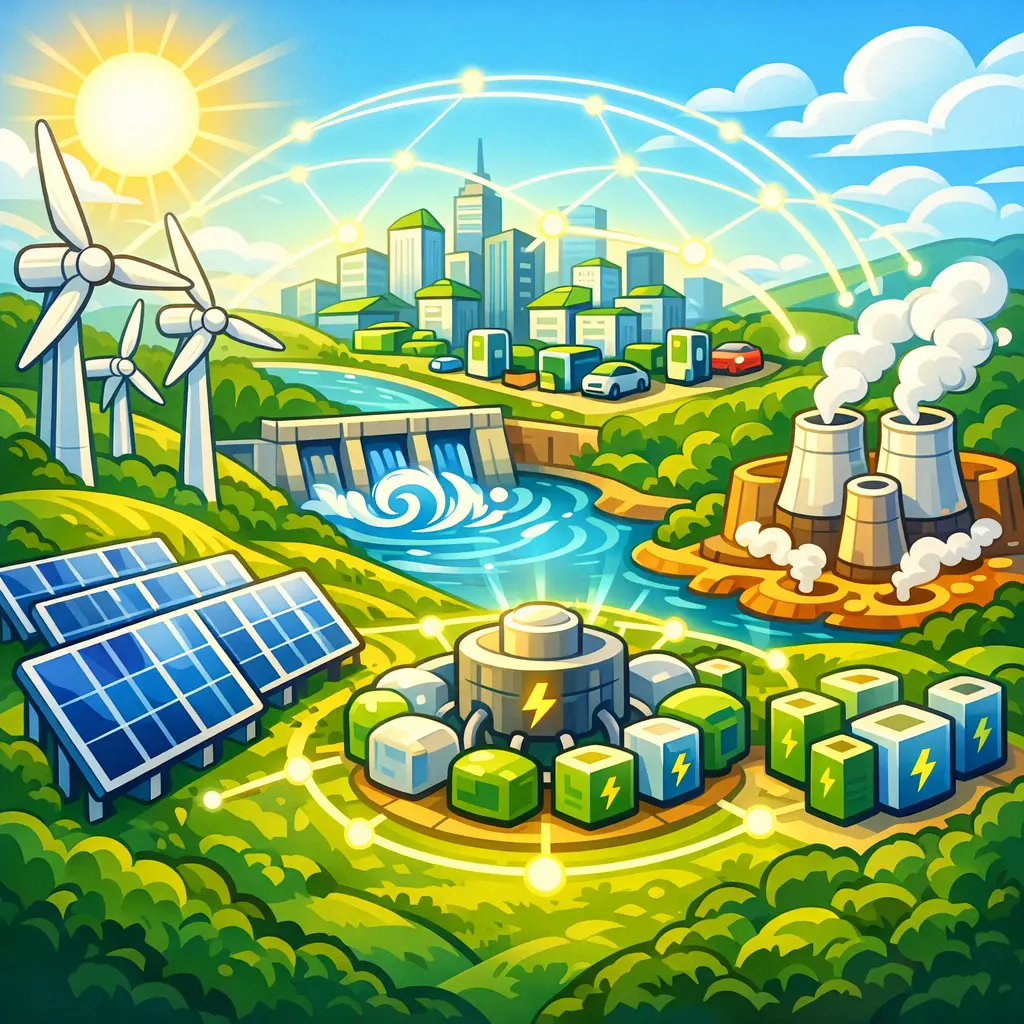
- Identify major renewable energy sources (solar, wind, hydro) and how they connect to modern grids.
- Explain how power grids balance supply and demand and maintain reliability with variable generation.
- Describe the roles of energy storage, demand response, and smart grid technologies in enabling renewables.
- Understand common challenges of renewable integration (intermittency, grid stability, transmission) and basic mitigation approaches.
❓ Frequently Asked Questions
What are renewable energy systems?
They generate electricity from replenishable resources like solar, wind, hydro, geothermal, and biomass. They often include generation equipment, power electronics, and may involve energy storage.
What is a power grid and how does it work?
A power grid is an interconnected network of generators, transmission lines, substations, and consumers that delivers electricity. It must balance supply and demand in real time while maintaining safe voltage and frequency.
How do renewable energy sources affect grid reliability and stability?
Many renewables are intermittent. Grids compensate with dispatchable generators, energy storage, demand response, and strong interconnections to maintain balance, frequency, and voltage.
What is energy storage and why is it important for renewables?
Energy storage captures excess generation for use when generation is low, improving reliability, smoothing variability, and aiding peak demand management (e.g., batteries, pumped hydro).
What is net metering and how can consumers participate?
Net metering lets customers with on-site generation (like rooftop solar) feed excess electricity back to the grid and receive credits on their bill, promoting distributed generation.