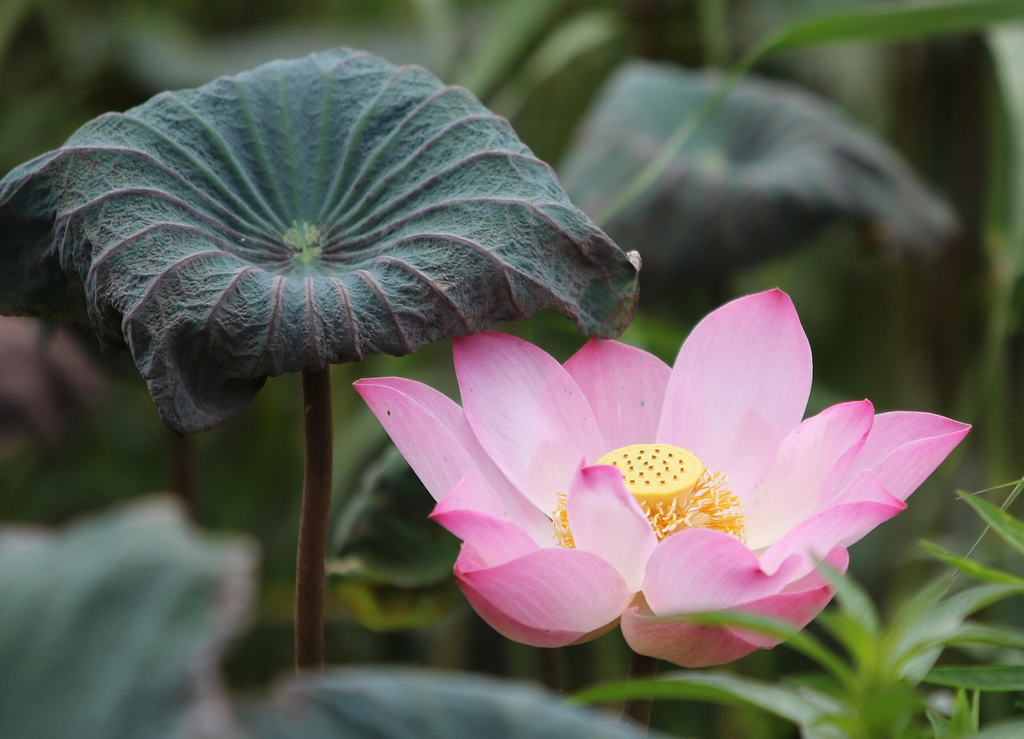
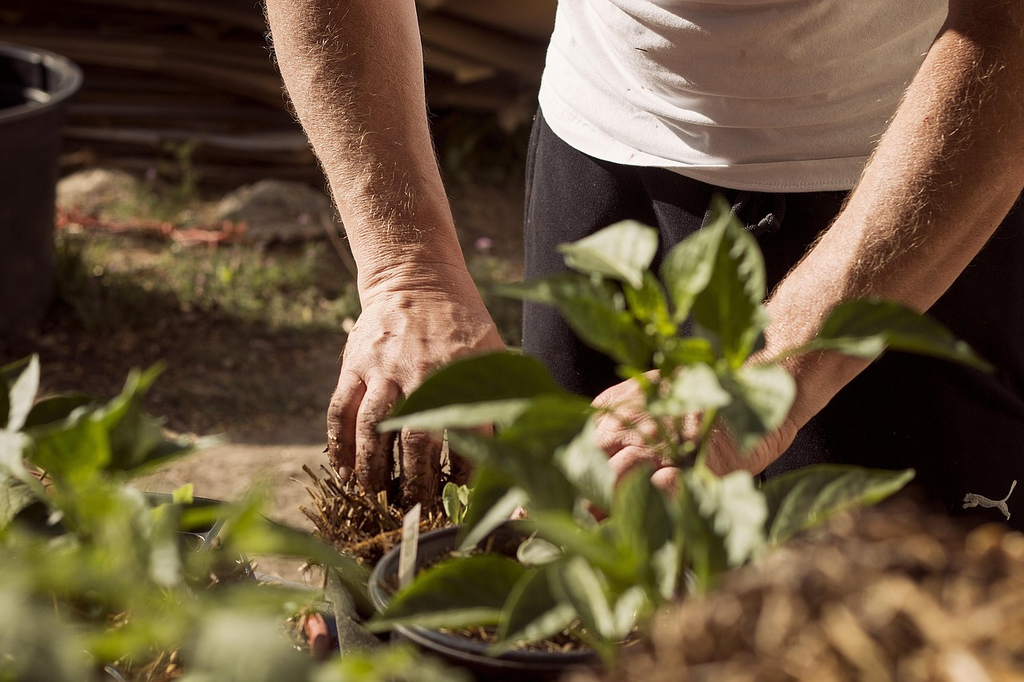
Rose cultivation in arid regions requires careful management of water, soil, and climate conditions. Roses can thrive with proper irrigation, mulching, and selection of drought-tolerant varieties. Techniques such as drip irrigation and soil amendments improve moisture retention. While lotuses typically require aquatic environments and are less suited for arid areas, innovative cultivation methods can sometimes allow their growth. Successful flower blooms in these regions depend on adapting cultivation practices to overcome water scarcity and high temperatures.
Rose Cultivation in Arid Regions
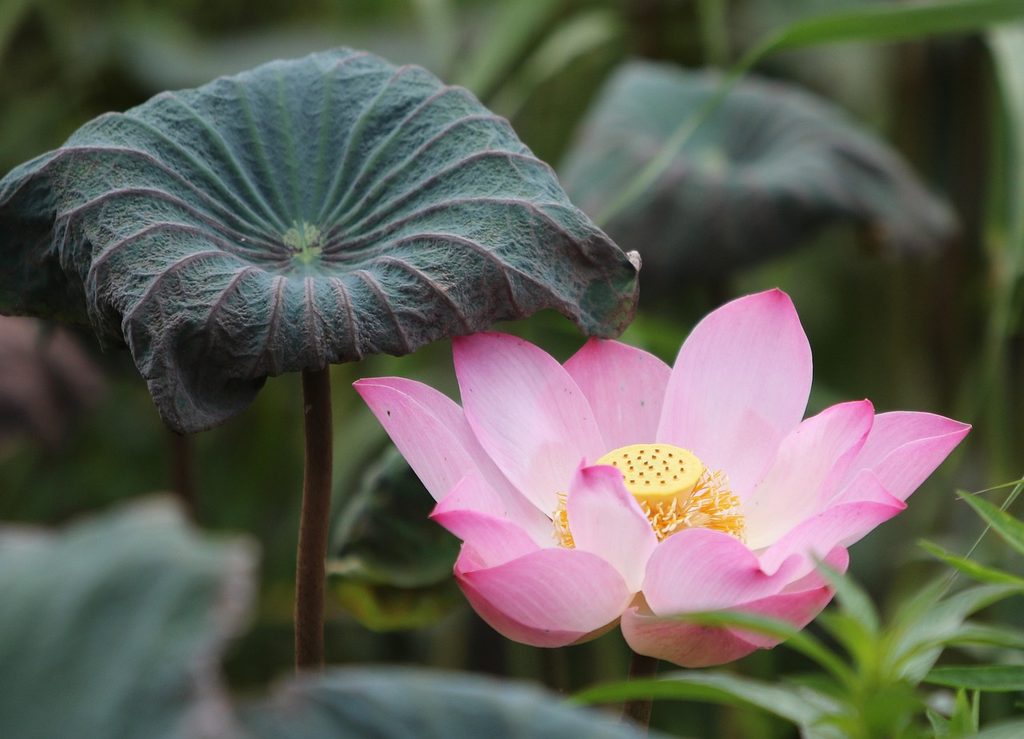
Rose cultivation in arid regions requires careful management of water, soil, and climate conditions. Roses can thrive with proper irrigation, mulching, and selection of drought-tolerant varieties. Techniques such as drip irrigation and soil amendments improve moisture retention. While lotuses typically require aquatic environments and are less suited for arid areas, innovative cultivation methods can sometimes allow their growth. Successful flower blooms in these regions depend on adapting cultivation practices to overcome water scarcity and high temperatures.

💡 Key Takeaways
- Identify climate factors affecting roses in arid regions and how to mitigate them
- Select rose varieties that perform well in hot, dry conditions
- Implement water-efficient irrigation and soil management to conserve moisture
- Practice pruning, fertilization, and pest/disease management tailored to arid environments
❓ Frequently Asked Questions
What are the key challenges of growing roses in arid regions?
High heat, water scarcity, intense sun, rapid soil drying, and sometimes soil salinity. Mitigate with drip irrigation, mulching, shade during peak heat, soil improvements, and heat-tolerant varieties.
Which rose varieties are best suited for arid climates?
Choose varieties labeled heat- or drought-tolerant and disease-resistant, and prefer robust cultivars recommended for hot regions.
How should I water roses in arid regions to conserve moisture?
Water deeply and infrequently with a drip system at the root zone, ideally in the early morning; mulch to reduce evaporation; avoid wetting foliage.
What soil and planting practices help roses perform well in dry areas?
Plant in well-draining loamy soil rich in organic matter; aim for pH around 6.0–6.5; consider raised beds; mulch to retain moisture; ensure good drainage to prevent root rot.
How can I protect roses from sun and heat stress?
Provide some shade during peak heat (or plant where they receive morning sun but avoid the hottest afternoon sun), use mulch, and ensure good air circulation around plants.