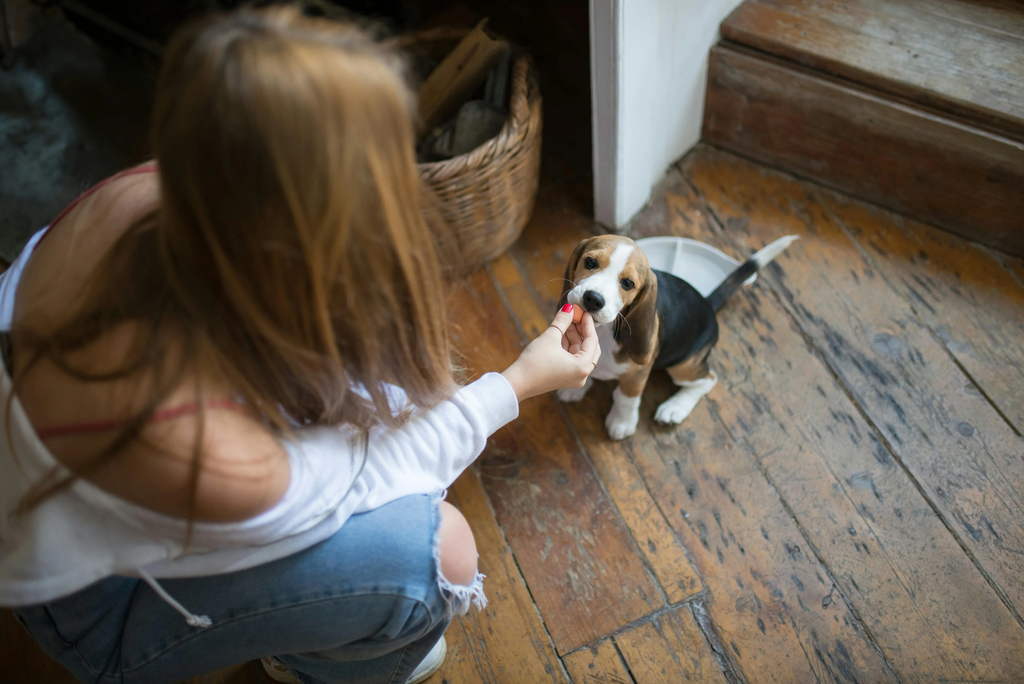
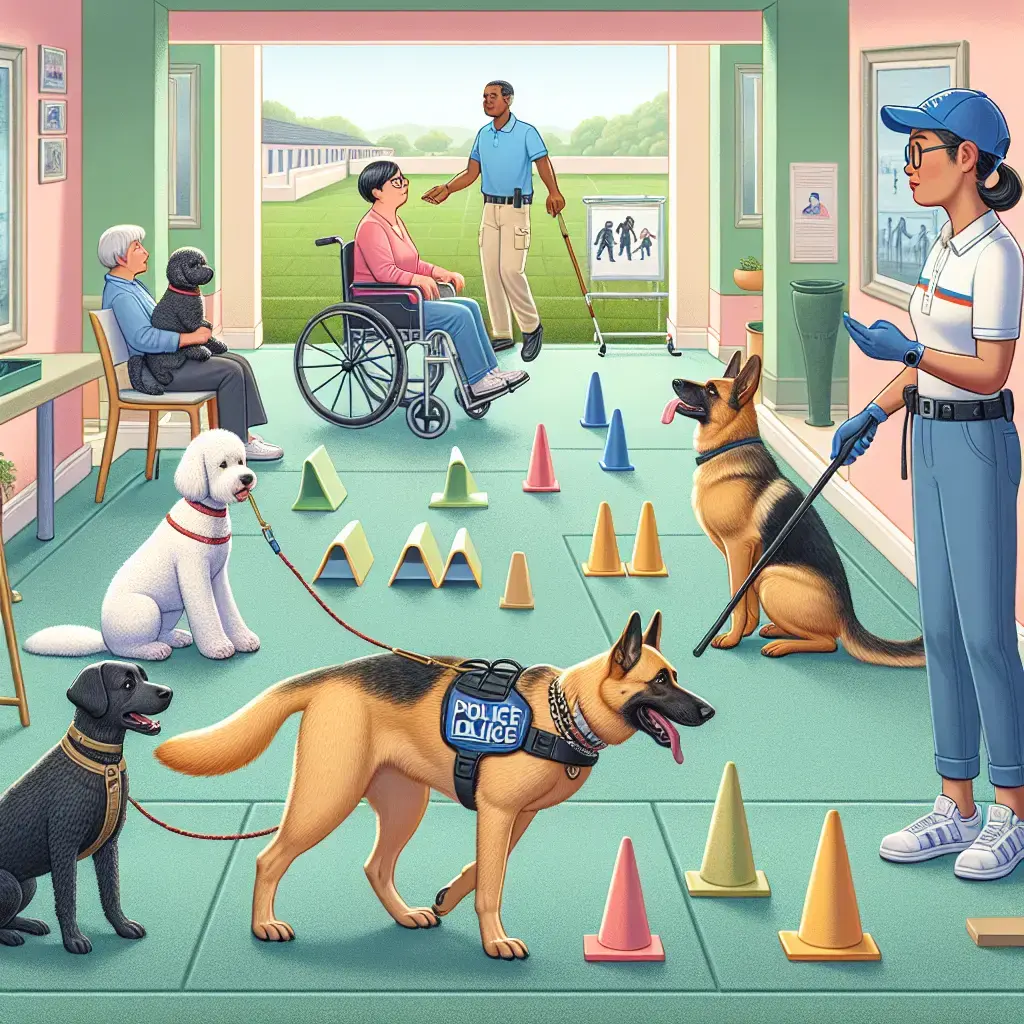
Socialization windows refer to critical periods in an individual's development, especially in childhood, when they are most receptive to learning social norms, behaviors, and communication skills. Techniques for effective socialization include modeling appropriate behavior, providing positive reinforcement, encouraging group activities, and facilitating peer interactions. Utilizing these windows and techniques helps individuals develop essential social skills, emotional intelligence, and adaptability, forming the foundation for healthy relationships and societal integration throughout life.
Socialization Windows and Techniques
Socialization windows refer to critical periods in an individual's development, especially in childhood, when they are most receptive to learning social norms, behaviors, and communication skills. Techniques for effective socialization include modeling appropriate behavior, providing positive reinforcement, encouraging group activities, and facilitating peer interactions. Utilizing these windows and techniques helps individuals develop essential social skills, emotional intelligence, and adaptability, forming the foundation for healthy relationships and societal integration throughout life.

💡 Key Takeaways
- Identify the critical socialization windows for puppies (roughly 3–14 weeks) and kittens (roughly 2–7 weeks) and why early experiences shape lifelong behavior.
- Use positive reinforcement and modeling to help pets approach new people, animals, and environments with calm confidence.
- Create a structured exposure plan with short, positive sessions that gradually increase novelty and variety to build resilient social skills.
- Watch for stress cues and adjust pacing or seek guidance to prevent fear, aggression, or avoidance from improper socialization.
❓ Frequently Asked Questions
What are socialization windows in pets?
Socialization windows are critical periods early in a pet's life when exposure to people, animals, sounds, and environments has the strongest impact on future behavior.
When do socialization windows occur for puppies and kittens?
Puppies typically have a window from about 3 to 14 weeks; kittens from about 3 to 9 weeks. Exposures after these periods still help, but their impact may lessen with age.
What techniques promote effective socialization?
Use positive reinforcement, keep exposures short and calm, model friendly behavior, pair new experiences with treats, and gradually increase difficulty while avoiding punishment.
What are common mistakes to avoid when socializing pets?
Avoid forcing encounters, overwhelming with too many new things at once, and using punishment. Allow pets to retreat when needed and progress at their own pace.