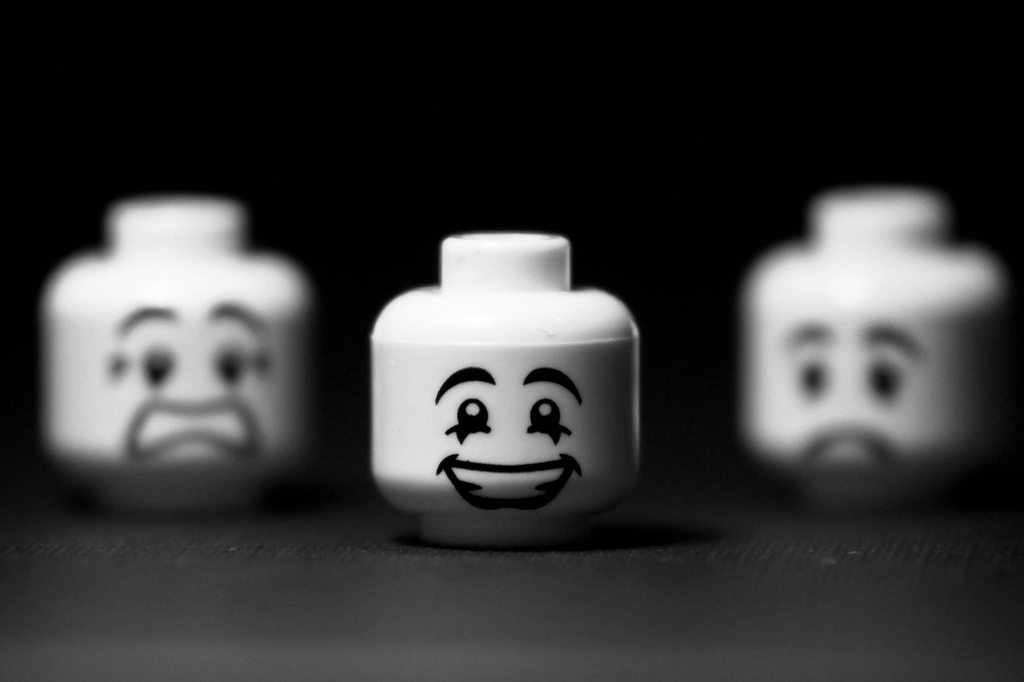
Sociological perspectives on clapping hands, accompanied by emotion emojis like smiles and tears, explore how collective gestures and digital symbols express shared emotions, reinforce group solidarity, and communicate approval or empathy in social interactions. Clapping and emojis serve as nonverbal cues that bridge physical and online communities, reflecting cultural norms and emotional responses, while also highlighting the evolving ways people connect, celebrate, or console each other in modern society.
Sociological Perspectives on Clapping Hands
Sociological perspectives on clapping hands, accompanied by emotion emojis like smiles and tears, explore how collective gestures and digital symbols express shared emotions, reinforce group solidarity, and communicate approval or empathy in social interactions. Clapping and emojis serve as nonverbal cues that bridge physical and online communities, reflecting cultural norms and emotional responses, while also highlighting the evolving ways people connect, celebrate, or console each other in modern society.

💡 Key Takeaways
- Understand how clapping functions as a social signal in group settings and rituals
- Recognize cultural variations in applause etiquette, duration, and meaning
- Analyze how audience dynamics, power, and status influence who starts and how long the clapping lasts
- Explore clapping as a form of collective assent, dissent, or solidarity in performances and public events
- Evaluate how media and digital culture shape perceptions of applause and appreciation
❓ Frequently Asked Questions
What does clapping signal in social settings?
Clapping signals approval, participation, and attention; it provides feedback to performers and helps align the group with shared norms.
How do cultural differences shape clapping behavior?
Clapping practices vary by culture and context—timing, duration, volume, and whether applause is encouraged or restrained—reflecting local norms about enthusiasm and decorum.
What role does clapping play in performances and ceremonies?
Clapping publicly endorses performers, cues pacing or transitions, and strengthens group cohesion by signaling collective engagement.
How can clapping reflect social dynamics and power?
Who starts or sustains applause, and who joins in, can reveal hierarchy, social pressure, and inclusion or exclusion within a group.