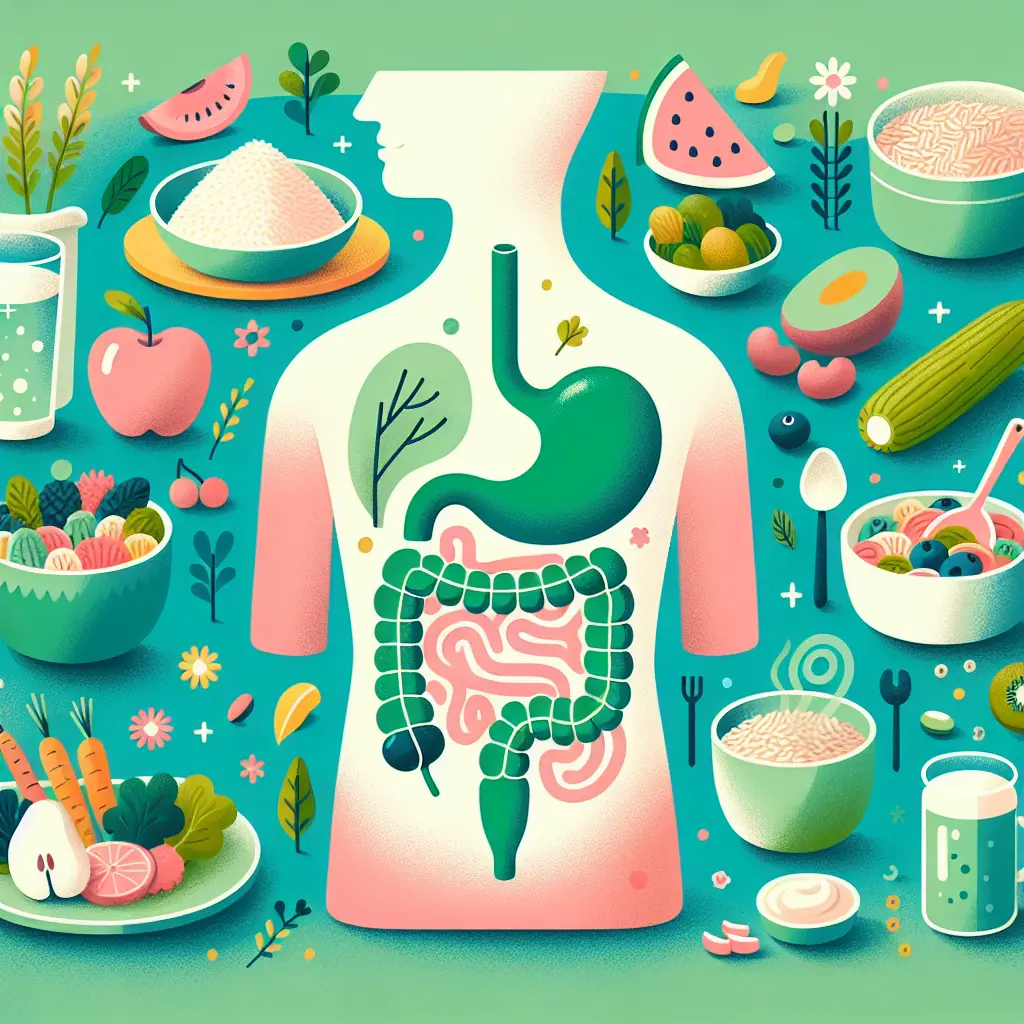
Sodium reduction strategies are methods aimed at lowering sodium intake to promote better health and prevent conditions like high blood pressure and heart disease. These strategies include reformulating processed foods to contain less salt, encouraging the use of herbs and spices for flavoring, educating consumers about nutrition labels, and implementing public health policies to limit sodium in restaurant and packaged foods. Together, these approaches help individuals and populations reduce overall sodium consumption.
Sodium Reduction Strategies
Sodium reduction strategies are methods aimed at lowering sodium intake to promote better health and prevent conditions like high blood pressure and heart disease. These strategies include reformulating processed foods to contain less salt, encouraging the use of herbs and spices for flavoring, educating consumers about nutrition labels, and implementing public health policies to limit sodium in restaurant and packaged foods. Together, these approaches help individuals and populations reduce overall sodium consumption.
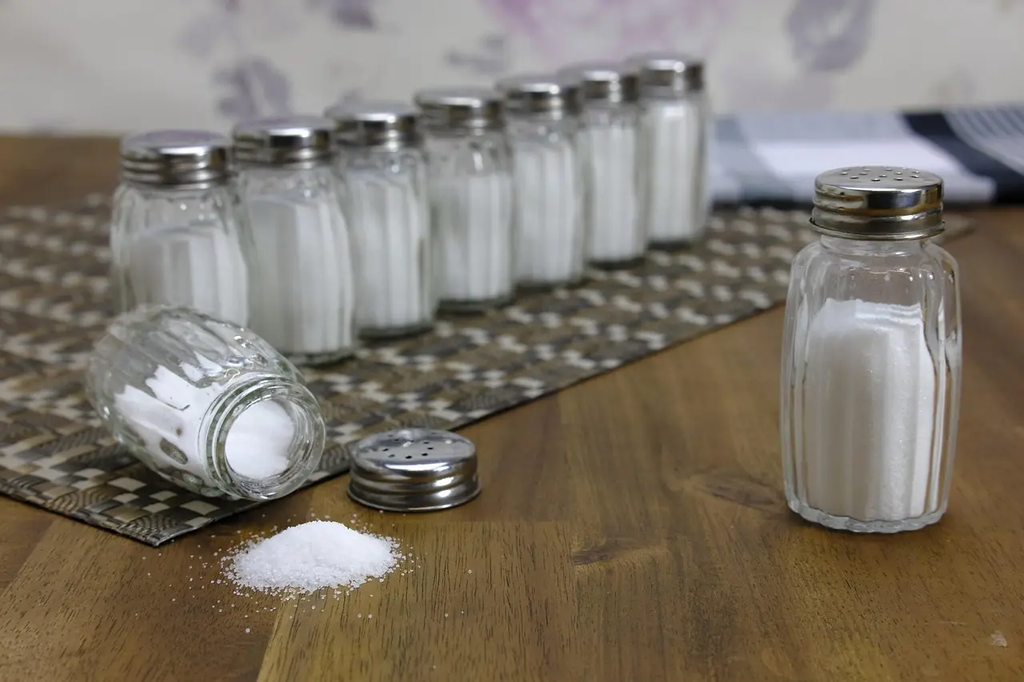
💡 Key Takeaways
- Understand how reducing sodium supports heart health and lowers blood pressure.
- Identify practical ways to lower sodium in foods, including choosing lower-sodium options and reformulating processed products where possible.
- Explore flavor alternatives—herbs, spices, citrus, and other aromatics—to enhance taste with less salt.
- Learn to read nutrition labels and set achievable daily sodium targets for meals and snacks.
❓ Frequently Asked Questions
What are sodium reduction strategies?
Sodium reduction strategies are methods to lower daily sodium intake, including reformulating foods to use less salt, encouraging flavoring with herbs and spices, and educating people to choose lower-sodium options.
How can manufacturers reduce sodium in processed foods?
By reformulating recipes to use less salt, substituting with salt-reducing ingredients, and gradually lowering levels so taste adapts while maintaining safety and palatability.
What are practical ways to flavor foods without salt?
Use herbs, spices, citrus, vinegar, garlic, onions, and salt-free seasoning blends to boost flavor; add salt gradually in cooking to train your palate.
Why is lowering sodium important for health?
Reducing sodium can help lower blood pressure and reduce the risk of heart disease and stroke, particularly for people with existing risk factors.