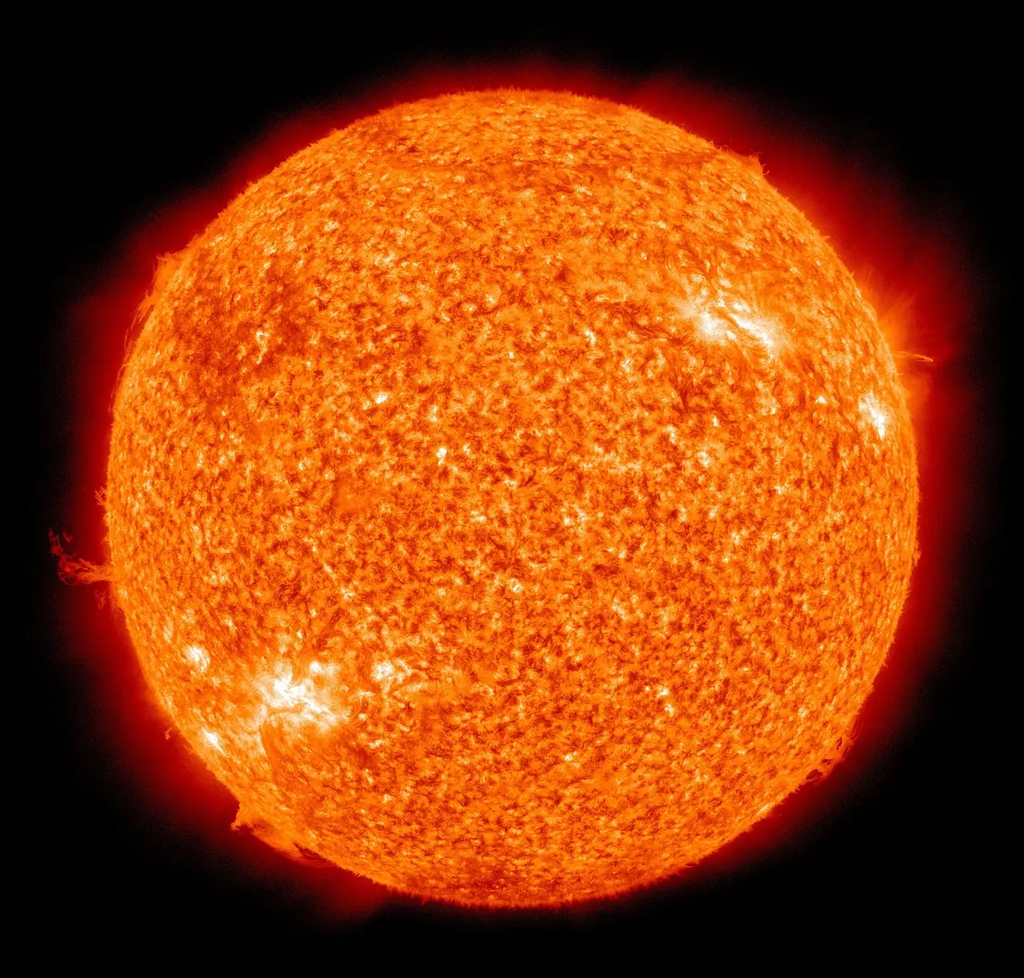
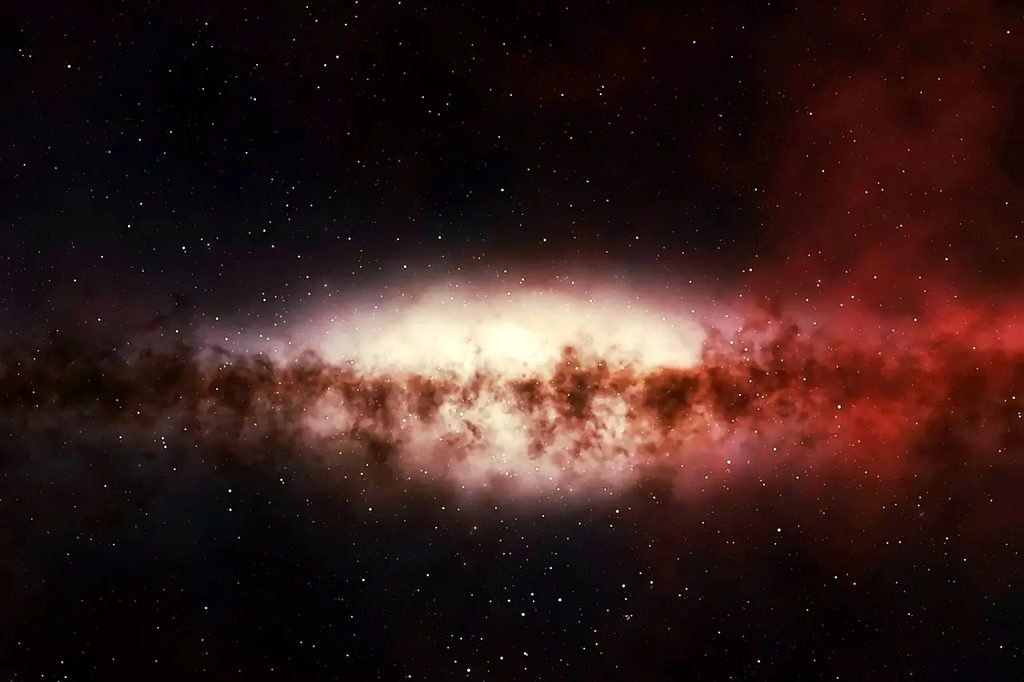
Space telescopes are powerful instruments placed in orbit around Earth or farther into space to observe planets, stars, and other celestial objects. Unlike ground-based telescopes, they avoid atmospheric distortion, providing clearer and more detailed images. These telescopes have expanded our understanding of the universe by capturing light across various wavelengths, revealing hidden features and phenomena. They play a crucial role in exploring distant galaxies, studying planetary systems, and uncovering the mysteries of space.
Space Telescopes
Space telescopes are powerful instruments placed in orbit around Earth or farther into space to observe planets, stars, and other celestial objects. Unlike ground-based telescopes, they avoid atmospheric distortion, providing clearer and more detailed images. These telescopes have expanded our understanding of the universe by capturing light across various wavelengths, revealing hidden features and phenomena. They play a crucial role in exploring distant galaxies, studying planetary systems, and uncovering the mysteries of space.
💡 Key Takeaways
- Understand why space telescopes operate above Earth's atmosphere to avoid atmospheric distortion.
- Learn how different wavelengths (visible, infrared, ultraviolet) reveal different features of astronomical objects.
- Recognize notable space telescopes (e.g., Hubble, Spitzer, James Webb) and their major discoveries.
- Discover how space telescopes collect light using mirrors, detectors, and cooling systems.
❓ Frequently Asked Questions
What is a space telescope and why is it placed in space?
A telescope placed above Earth's atmosphere to get clearer images, observe wavelengths blocked or distorted by the atmosphere, and enable infrared observations.
Which wavelengths do space telescopes observe best and why?
Optical, ultraviolet, infrared, and sometimes X-ray light, depending on the instrument. The atmosphere blocks or distorts many wavelengths, so space offers clearer, more sensitive views.
What are Hubble and James Webb Space Telescopes, and what are their primary focuses?
Hubble primarily observes optical and near-UV light to image galaxies and objects; JWST focuses on infrared to study distant galaxies, star formation, and exoplanet atmospheres.
What are the main science goals of the James Webb Space Telescope?
To explore the first galaxies and the early universe, study galaxy formation and evolution, investigate how stars and planetary systems form, and analyze exoplanet atmospheres.
How do space telescopes help us study exoplanets?
They detect exoplanets and analyze their atmospheres using methods like transit spectroscopy and infrared observations.