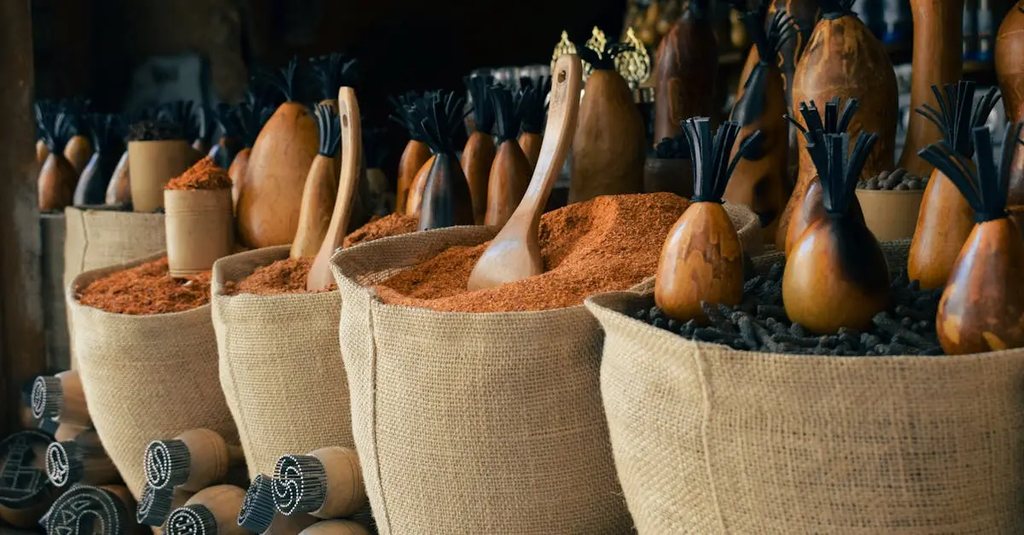
"Spices & Ingredients: Rare Spices & Sourcing" refers to the exploration and procurement of uncommon or hard-to-find spices from around the world. This involves identifying unique flavors, understanding their origins, and establishing reliable sources for authentic, high-quality ingredients. The process often requires building relationships with specialized suppliers, ensuring ethical and sustainable practices, and enhancing culinary experiences by incorporating these rare spices into diverse dishes.
Spices & Ingredients: Rare Spices & Sourcing
"Spices & Ingredients: Rare Spices & Sourcing" refers to the exploration and procurement of uncommon or hard-to-find spices from around the world. This involves identifying unique flavors, understanding their origins, and establishing reliable sources for authentic, high-quality ingredients. The process often requires building relationships with specialized suppliers, ensuring ethical and sustainable practices, and enhancing culinary experiences by incorporating these rare spices into diverse dishes.
💡 Key Takeaways
- Identify rare spices and their flavor profiles from global cuisines.
- Explain how origin and terroir influence aroma, depth of flavor, and quality.
- Evaluate suppliers and sourcing methods to ensure authentic, high-quality ingredients.
- Understand storage, freshness, and handling tips to maximize aroma and potency.
❓ Frequently Asked Questions
What makes a spice rare and how can I identify authentic rare spices?
Rare spices are uncommon due to limited harvest, geographic constraints, or restricted trade. Authenticity comes from knowing origin, harvest season, packaging, and pricing that reflects scarcity; buy from credible suppliers.
Where should I source rare spices to ensure quality and ethical sourcing?
Look for reputable specialty shops, direct-from-grower programs, spice cooperatives, and suppliers with clear origin details and certifications. Ask for batch numbers, harvest year, and tasting notes.
How should rare spices be stored to preserve flavor and potency?
Store whole spices in airtight, opaque containers away from light, heat, and moisture. Grind only as needed, label purchase date, and keep in a cool, dry pantry.
What are the best ways to use rare spices in cooking and are there substitutions?
Toast or bloom spices in oil to release aroma; add early or later depending on the dish; start with small amounts. Substitutions: use blends or spices with similar notes, but expect flavor differences.
How can I verify authenticity and avoid adulteration?
Buy from trusted suppliers, request origin data and batch certificates, check aroma and color, compare price to typical ranges, and consider requesting a sample before larger purchases.