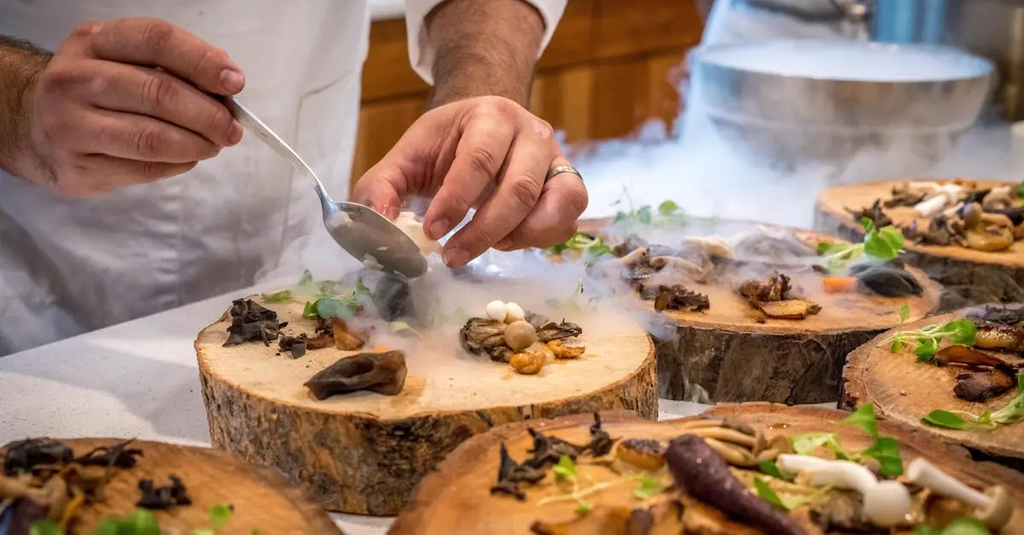
"World Cuisines: Mastering Regional Menus" refers to the exploration and understanding of diverse culinary traditions from around the globe. It involves learning about unique ingredients, cooking techniques, and signature dishes specific to different regions. Mastering these menus means being able to authentically recreate and appreciate the flavors and cultural significance of various world cuisines, enriching one’s culinary skills and broadening gastronomic horizons.
World Cuisines: Mastering Regional Menus
"World Cuisines: Mastering Regional Menus" refers to the exploration and understanding of diverse culinary traditions from around the globe. It involves learning about unique ingredients, cooking techniques, and signature dishes specific to different regions. Mastering these menus means being able to authentically recreate and appreciate the flavors and cultural significance of various world cuisines, enriching one’s culinary skills and broadening gastronomic horizons.
💡 Key Takeaways
- Identify key ingredients and flavor profiles that define major world regions and how they shape a menu.
- Master essential regional cooking techniques (e.g., stir-fry, braise, fermentation, grilling) used across cuisines.
- Recognize signature dishes and their cultural contexts to select authentic options for different occasions.
- Apply practical menu planning and ingredient sourcing to design cohesive regional menus with authentic flavors and feasible substitutions.
❓ Frequently Asked Questions
What is the main goal of studying World Cuisines: Mastering Regional Menus?
To understand diverse regional foods by learning ingredients, techniques, and signature dishes that define each cuisine.
What qualifies as a signature dish in a region?
A dish closely associated with a region that reflects its typical ingredients and cooking style.
How do regional ingredients shape flavor profiles?
Local produce and spices create distinctive tastes; examples include saffron/olives in the Mediterranean, chili/lime in Latin America, and coconut/lime in Southeast Asia.
What are examples of regional cooking techniques?
Fermenting in Korea/Japan, stir-frying in China, tandoori grilling in India, braising in Morocco, and slow roasting in parts of Europe.
How can you practice mastering regional menus for a quiz?
Study core ingredients, common spice blends, and hallmark techniques per region; try authentic recipes or accurate substitutions to build recognition.