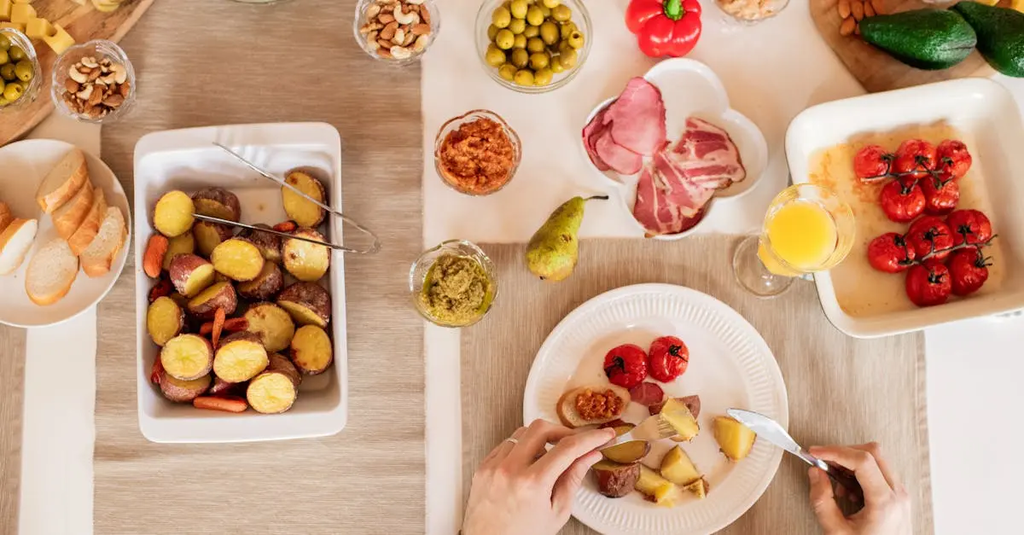
"Spices & Ingredients: Regional Spice Terrains" refers to the unique combinations of spices and culinary ingredients that define different geographic regions. Each area has its own distinctive spice blends and cooking essentials, shaped by local climate, culture, and history. Exploring these terrains reveals how flavors are crafted and traditions are preserved, offering a sensory journey through the tastes and aromas that characterize regional cuisines around the world.
Spices & Ingredients: Regional Spice Terrains
"Spices & Ingredients: Regional Spice Terrains" refers to the unique combinations of spices and culinary ingredients that define different geographic regions. Each area has its own distinctive spice blends and cooking essentials, shaped by local climate, culture, and history. Exploring these terrains reveals how flavors are crafted and traditions are preserved, offering a sensory journey through the tastes and aromas that characterize regional cuisines around the world.
💡 Key Takeaways
- Identify signature regional spice blends and the core ingredients that define them.
- Explain how climate, trade routes, and history shaped regional spice terrains.
- Describe common cooking techniques and ingredient pairings that showcase regional spices.
- Compare different regional flavor profiles and apply them to create region-inspired dishes.
❓ Frequently Asked Questions
What is meant by regional spice terrain?
A pattern of spices and ingredients that define a region's cooking, shaped by climate, local flora, culture, history, and cooking techniques.
How do geography and culture influence spice blends?
Local climate and flora determine which spices are available; history and trade bring new flavors; cultural tastes shape intensity, aroma, and combinations.
Can you name examples of regional spice terrains and a signature blend?
India: garam masala; Middle East: za’atar; North Africa: ras el hanout; Southeast Asia: curry pastes and aromatics like lemongrass.
How are regional spice terrains used in cooking to create flavor?
They form flavor bases through rubs, pastes, marinades, and stews; cooks balance heat, aroma, and acidity, layering spices with fats to build depth.