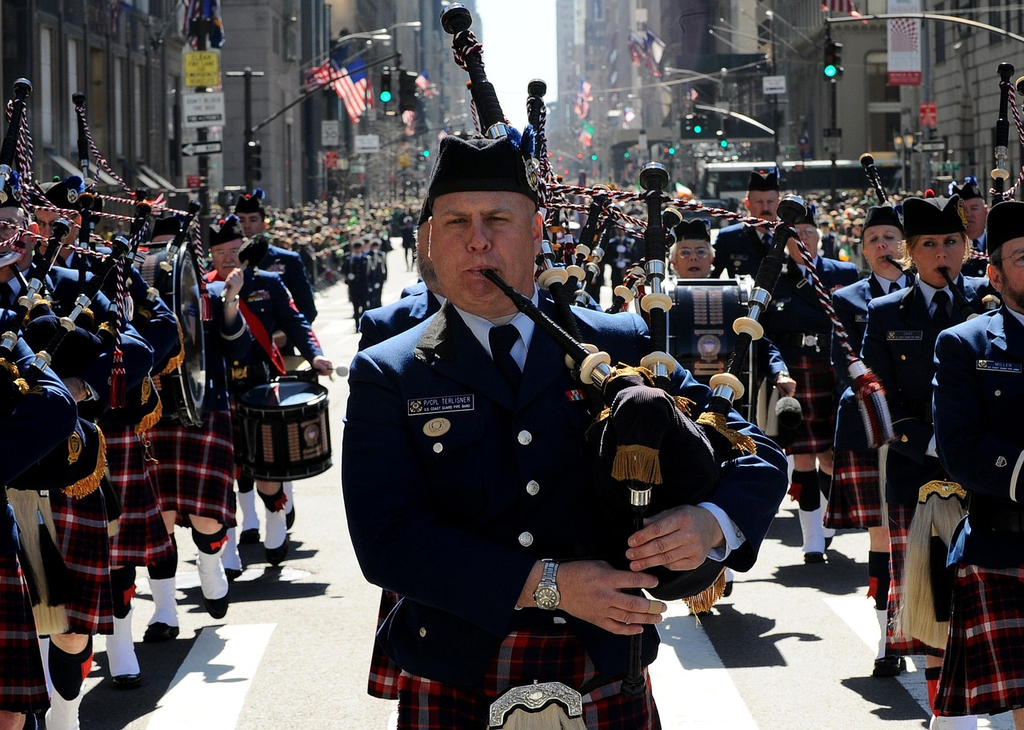
St. Patrick's Day music refers to the lively and traditional tunes commonly played during St. Patrick's Day celebrations. This music often features Irish folk instruments such as fiddles, tin whistles, accordions, and bagpipes. Popular genres include jigs, reels, and ballads, with songs celebrating Irish heritage, culture, and legends. The festive melodies and rhythmic beats encourage dancing, singing, and a joyful atmosphere, making St. Patrick's Day music an essential part of the holiday’s festivities.
St. Patrick's Day Music
St. Patrick's Day music refers to the lively and traditional tunes commonly played during St. Patrick's Day celebrations. This music often features Irish folk instruments such as fiddles, tin whistles, accordions, and bagpipes. Popular genres include jigs, reels, and ballads, with songs celebrating Irish heritage, culture, and legends. The festive melodies and rhythmic beats encourage dancing, singing, and a joyful atmosphere, making St. Patrick's Day music an essential part of the holiday’s festivities.
💡 Key Takeaways
- Identify traditional Irish instruments heard in St. Patrick's Day music (e.g., fiddle, bodhrán, tin whistle, uilleann pipes).
- Distinguish common Irish tune types by rhythm and tempo: reels, jigs, and hornpipes.
- Recognize basic Irish ornamentation and modal flavors that give tunes their distinctive sound.
- Understand the cultural background of St. Patrick's Day music and how it is celebrated today.
❓ Frequently Asked Questions
What is traditional Irish music and how does it relate to St. Patrick's Day?
Traditional Irish music includes reels, jigs, hornpipes, and ballads passed down through generations, commonly featuring fiddle, pipes, flute, whistle, and bodhrán. St. Patrick's Day celebrations often highlight this music to celebrate Irish culture.
Which instruments are commonly heard in St. Patrick's Day music?
Common instruments include the fiddle, tin whistle, flute, uilleann pipes, bodhrán (drum), concertina or accordion, and guitar, often forming upbeat folk ensembles.
What is the difference between a jig and a reel in Irish music?
Jigs are in compound time (usually 6/8 or 9/8) and sound bouncy, while reels are in simple time (4/4 or 2/2) with a fast, driving tempo.
What is a céilí and what kind of music is played at one?
A céilí is a social dance event featuring Irish traditional tunes—jigs, reels, and hornpipes—played by a live group or band.