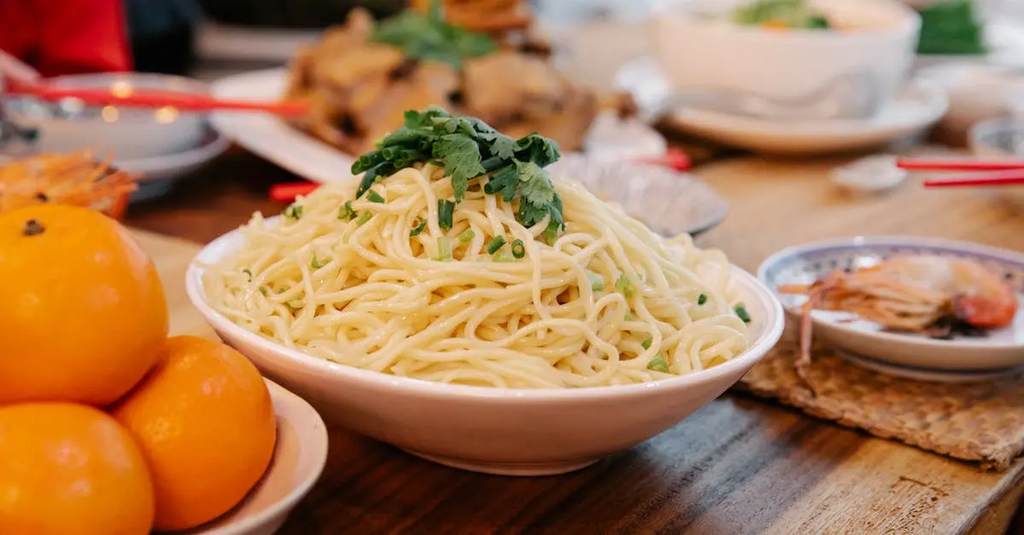
"Street Food: Regional Specialties Deep Dive" refers to an in-depth exploration of unique and authentic street foods found in different regions. It highlights how local ingredients, traditions, and cultural influences shape distinctive dishes served by street vendors. This phrase suggests a thorough examination of flavors, preparation methods, and the stories behind beloved street foods, offering insight into the culinary diversity and vibrant food culture present in various parts of the world.
Street Food: Regional Specialties Deep Dive
"Street Food: Regional Specialties Deep Dive" refers to an in-depth exploration of unique and authentic street foods found in different regions. It highlights how local ingredients, traditions, and cultural influences shape distinctive dishes served by street vendors. This phrase suggests a thorough examination of flavors, preparation methods, and the stories behind beloved street foods, offering insight into the culinary diversity and vibrant food culture present in various parts of the world.
💡 Key Takeaways
- Identify regional street foods and the local ingredients that define their flavor profiles.
- Explain how traditions, vendor techniques, and cultural influences shape distinctive street-food dishes.
- Compare regional prep methods, presentation, and flavors across street foods.
- Understand street food's social, cultural, and economic role in communities.
❓ Frequently Asked Questions
What is street food and how does it reflect a region?
Street food is ready-to-eat meals sold by vendors in public spaces; regional street foods draw on local ingredients, climate, and traditions, making each place's offerings unique.
Which ingredients most influence regional street foods?
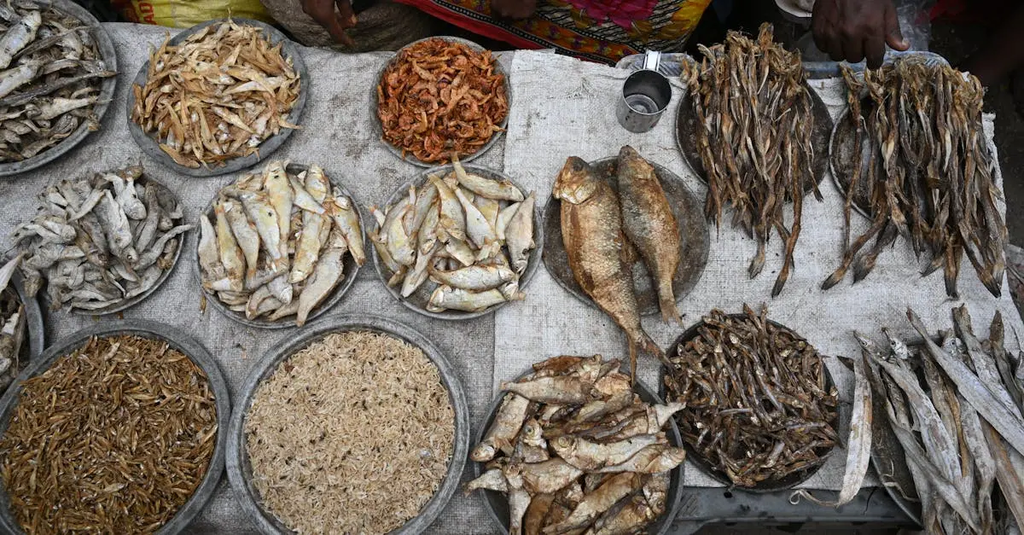
Local produce, seafood, grains, spices, and preserved foods shape flavor, texture, and portability, giving each region its distinctive lineup of dishes.
What street-food techniques commonly shape the final dish?
Techniques such as quick-frying, grilling, steaming, skewering, and assembling are used for speed, portability, and satisfying local tastes.
How can you tell if a dish is a regional specialty?
Look for place-based names, traditional pairings, signature spice blends, and cooking methods tied to a location, often associated with markets or festivals.