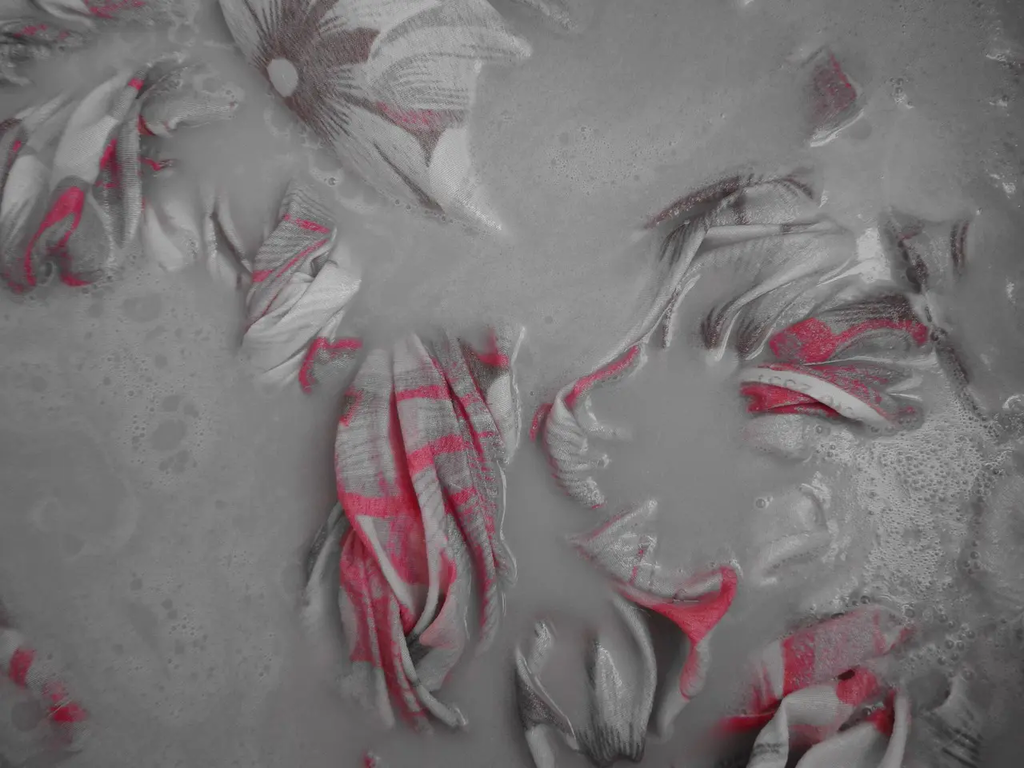
Textile printing and dyeing refer to processes used to add color and patterns to fabrics. Dyeing involves immersing textiles in solutions to achieve uniform coloration, while printing applies designs onto the fabric surface using dyes or pigments. Both techniques enhance the visual appeal and functionality of textiles, allowing for a wide range of colors, patterns, and effects. These processes are essential in the fashion, home décor, and industrial textile industries.
Textile Printing and Dyeing
Textile printing and dyeing refer to processes used to add color and patterns to fabrics. Dyeing involves immersing textiles in solutions to achieve uniform coloration, while printing applies designs onto the fabric surface using dyes or pigments. Both techniques enhance the visual appeal and functionality of textiles, allowing for a wide range of colors, patterns, and effects. These processes are essential in the fashion, home décor, and industrial textile industries.
💡 Key Takeaways
- Differentiate dyeing (uniform color throughout fabric) from printing (patterns on the surface).
- Recall common dyeing methods (immersion/piece dyeing) and how mordants/fixatives affect color.
- Explore printing methods (block, screen, roller/rotary, and digital) and how patterns are transferred.
- Understand colorfastness: how fiber type, dye type, washing, and light exposure impact durability.
- Identify common dye types (reactive, direct, disperse, acid) and safety considerations.
❓ Frequently Asked Questions
What is dyeing?
Dyeing colors the entire fabric by immersing it in a dye solution to achieve a uniform color.
What is printing?
Printing applies color or patterns to the fabric surface using dyes or pigments, leaving parts of the fabric uncolored or differently colored.
What are common textile dye types?
Common types include reactive dyes (for cotton and cellulose), direct dyes (cellulose), acid dyes (protein fibers like silk and wool), disperse dyes (synthetics like polyester), and pigments used in printing.
What are some common printing methods?
Screen printing (using meshes to apply color in a pattern) and digital textile printing (inkjet-style printing directly onto fabric) are widely used.