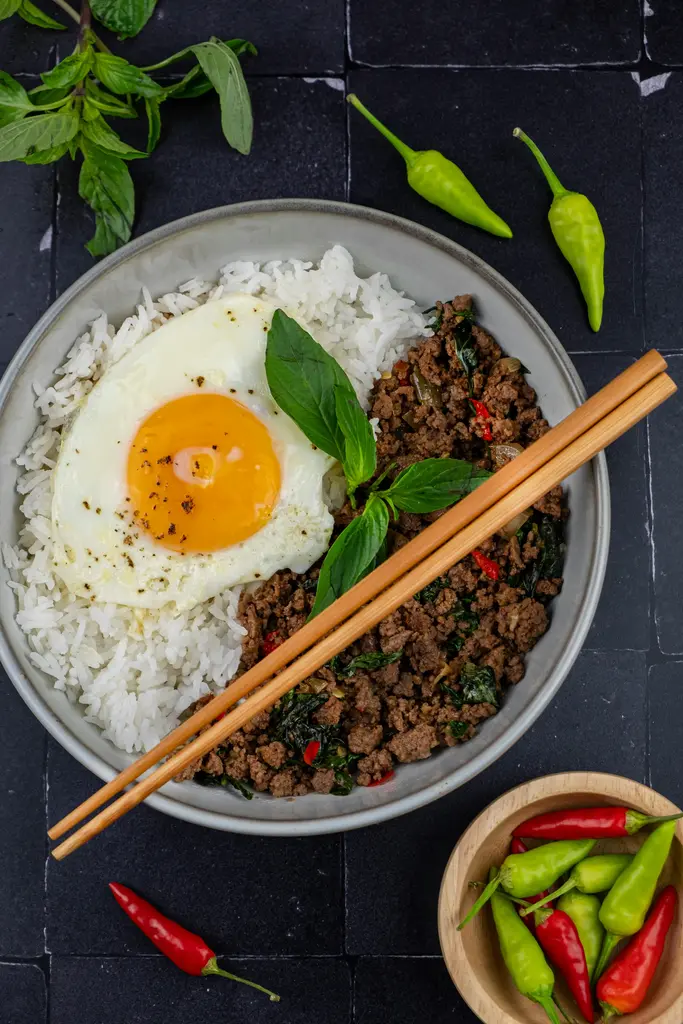
Thai street and home dishes represent the heart of Thai cuisine, blending vibrant flavors, fresh ingredients, and aromatic herbs. Street food stalls offer quick, flavorful meals like pad thai, satay, and mango sticky rice, reflecting local traditions. Home-cooked Thai dishes, such as green curry and tom yum soup, emphasize balance between sweet, sour, salty, and spicy tastes. Together, they showcase Thailand’s rich culinary heritage and communal dining culture.
Thai Street and Home Dishes
Thai street and home dishes represent the heart of Thai cuisine, blending vibrant flavors, fresh ingredients, and aromatic herbs. Street food stalls offer quick, flavorful meals like pad thai, satay, and mango sticky rice, reflecting local traditions. Home-cooked Thai dishes, such as green curry and tom yum soup, emphasize balance between sweet, sour, salty, and spicy tastes. Together, they showcase Thailand’s rich culinary heritage and communal dining culture.
💡 Key Takeaways
- Identify iconic Thai street dishes (pad thai, satay, mango sticky rice) and what makes them quick, flavorful street-food staples.
- Explore how fresh herbs and aromatics (lemongrass, kaffir lime leaves, Thai basil, cilantro) shape Thai flavor and aroma.
- Compare street-food techniques (fast wok-frying and grilling) with home-cooking methods (curry pastes, coconut milk-based curries) to understand flavor development.
- Recognize common Thai pantry staples (fish sauce, palm sugar, tamarind, coconut milk) and how they create the sweet-sour-salty-spicy flavor balance.
❓ Frequently Asked Questions
What distinguishes Thai street food from home-cooked Thai dishes?
Street food is quick, portable, and cooked to order by vendors, while home-cooked dishes are prepared at home and may involve slower, more developed sauces.
Which flavors and herbs are commonly used to balance Thai dishes?
Thai cuisine balances sweet, sour, salty, and spicy flavors and uses fresh herbs like lemongrass, kaffir lime leaves, and Thai basil.
What ingredients are central to Thai green curry?
Green curry paste, coconut milk, meat or vegetables, Thai basil, kaffir lime leaves, and lemongrass.
Name some iconic Thai street foods mentioned in the description.
Pad Thai, satay, and mango sticky rice.