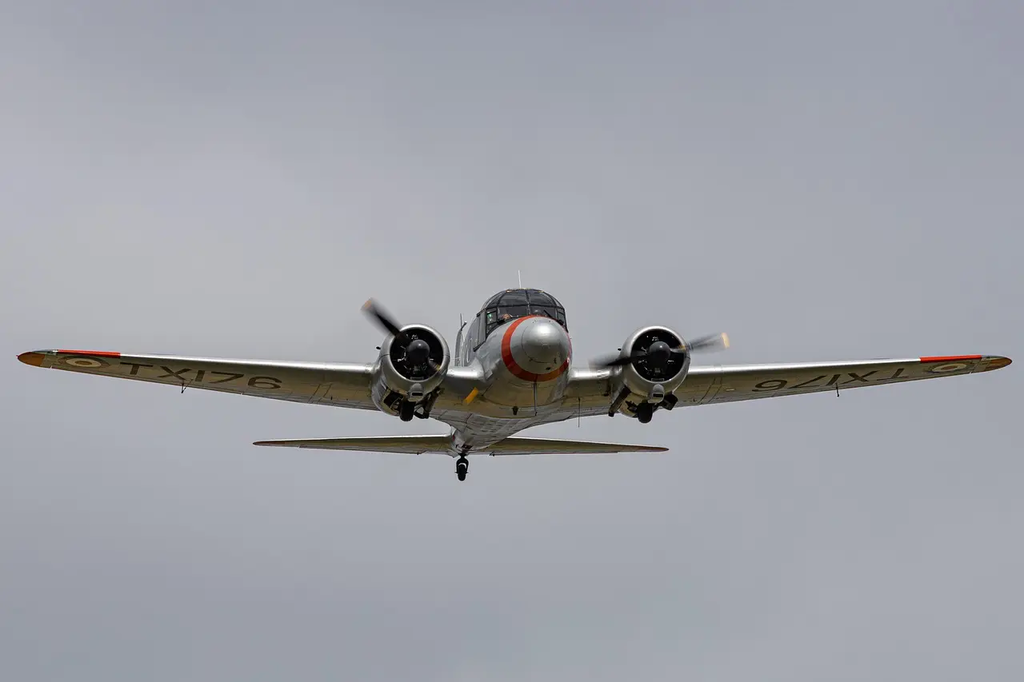
The airplane, a groundbreaking invention, revolutionized transportation by enabling humans to fly across vast distances quickly and efficiently. Developed in the early 20th century, it transformed global travel, commerce, and communication. Airplanes have connected continents, facilitated cultural exchange, and advanced scientific exploration. Their impact extends to military, medical, and humanitarian fields, making the airplane one of history’s most iconic and influential inventions, shaping the modern world in profound ways.
The Airplane
The airplane, a groundbreaking invention, revolutionized transportation by enabling humans to fly across vast distances quickly and efficiently. Developed in the early 20th century, it transformed global travel, commerce, and communication. Airplanes have connected continents, facilitated cultural exchange, and advanced scientific exploration. Their impact extends to military, medical, and humanitarian fields, making the airplane one of history’s most iconic and influential inventions, shaping the modern world in profound ways.
💡 Key Takeaways
- Understand the four forces of flight—lift, weight, thrust, and drag—and how they interact to keep an airplane in the air.
- Identify the main airplane components (fuselage, wings, tail, engines, landing gear) and explain their roles.
- Explain how propulsion systems like jet engines and propellers generate thrust and influence performance.
- Describe the typical stages of a flight from preflight checks to taxi, takeoff, cruise, descent, and landing.
- Recognize basic aviation safety concepts and the role of air traffic control in coordinating flights.
❓ Frequently Asked Questions
What is the basic purpose of an airplane?
An airplane enables fast travel by generating lift to counteract gravity and using propulsion to move forward.
What are the four forces that act on an airplane in flight?
Lift, weight, thrust, and drag. Lift counters gravity, weight pulls downward, thrust moves the plane forward, and drag resists motion.
What is an airfoil and why is it important?
An airfoil is the wing shape that creates lift by altering airspeed over its surfaces, producing a pressure difference that lifts the aircraft.
What is the role of flaps on an airplane?
Flaps increase lift at lower speeds by changing wing curvature and surface area, aiding takeoff and landing.