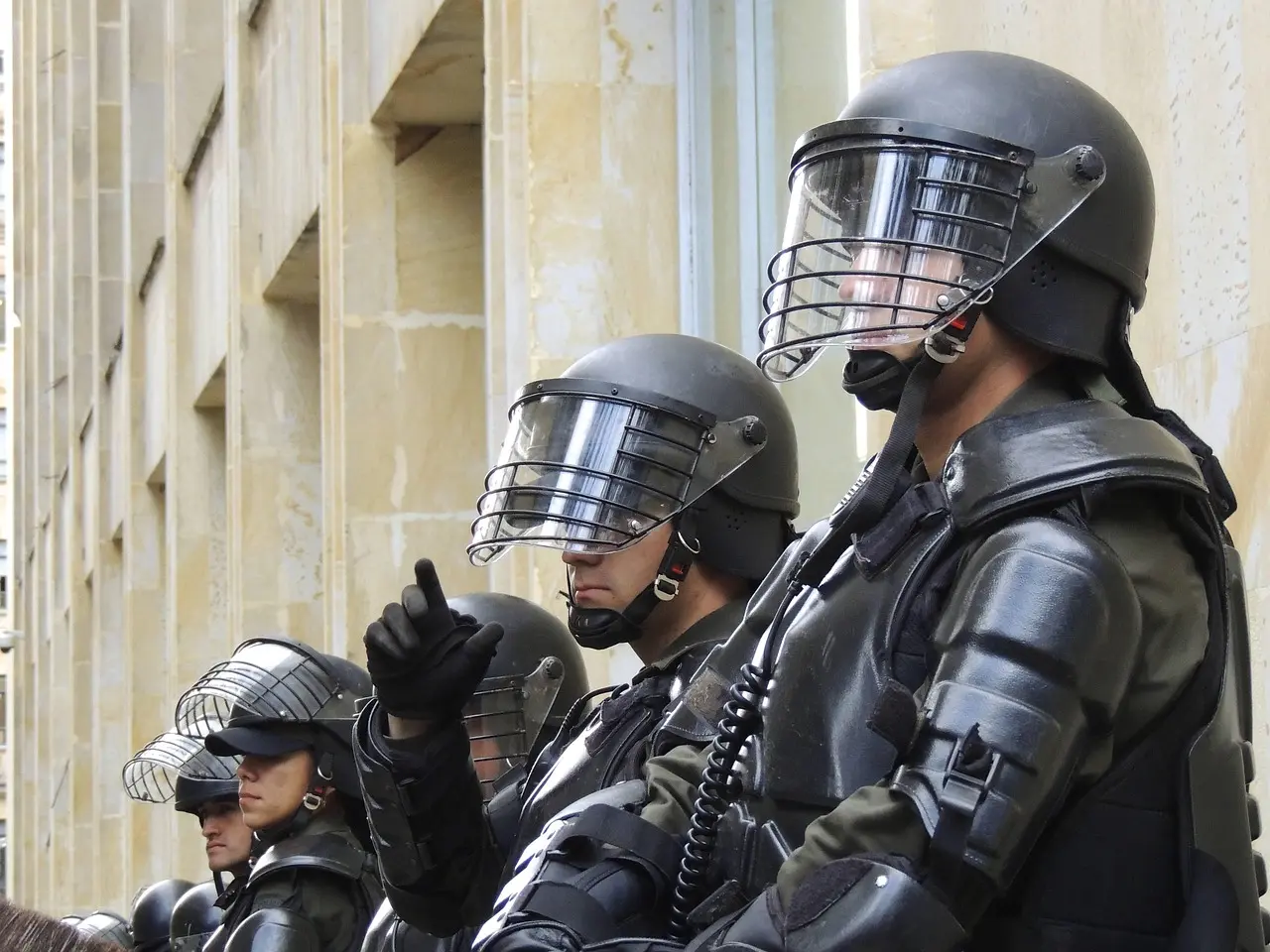
The Blitz refers to the sustained bombing campaign carried out by Nazi Germany against Britain, particularly London, from September 1940 to May 1941 during World War II. German aircraft targeted major cities, industrial centers, and civilian areas, causing widespread destruction and significant loss of life. Despite the devastation, British morale remained resilient, and the Blitz became a symbol of the country's endurance and unity in the face of adversity.
The Blitz
The Blitz refers to the sustained bombing campaign carried out by Nazi Germany against Britain, particularly London, from September 1940 to May 1941 during World War II. German aircraft targeted major cities, industrial centers, and civilian areas, causing widespread destruction and significant loss of life. Despite the devastation, British morale remained resilient, and the Blitz became a symbol of the country's endurance and unity in the face of adversity.

💡 Key Takeaways
- Understand the timeframe and scope of The Blitz (Sept 1940–May 1941) and its focus on London, other cities, and industrial targets.
- Learn how civilians protected themselves through air-raid precautions, shelters, blackout measures, and community resilience.
- Recognize the human and material impact, including casualties and widespread destruction across urban areas.
- Explain how The Blitz influenced British morale and wartime strategy, contributing to resilience and prompting reconsideration of German bombing targets.
❓ Frequently Asked Questions
What was the Blitz?
The Blitz was the sustained bombing campaign by Nazi Germany against Britain, targeting cities, industry, and civilian areas to break morale, roughly from September 1940 to May 1941.
When and where did the Blitz occur?
It lasted from September 1940 to May 1941, with London suffering heavy raids and other British cities and industrial centers also attacked.
Why did Germany carry out the Blitz?
To disrupt wartime production, undermine civilian morale, and pressure Britain toward surrender or negotiation by destroying urban life and infrastructure.
How did people respond and what were the effects?
Civilians used air-raid shelters and blackout measures; the raids caused widespread destruction and casualties, but Britain showed resilience and community resilience.