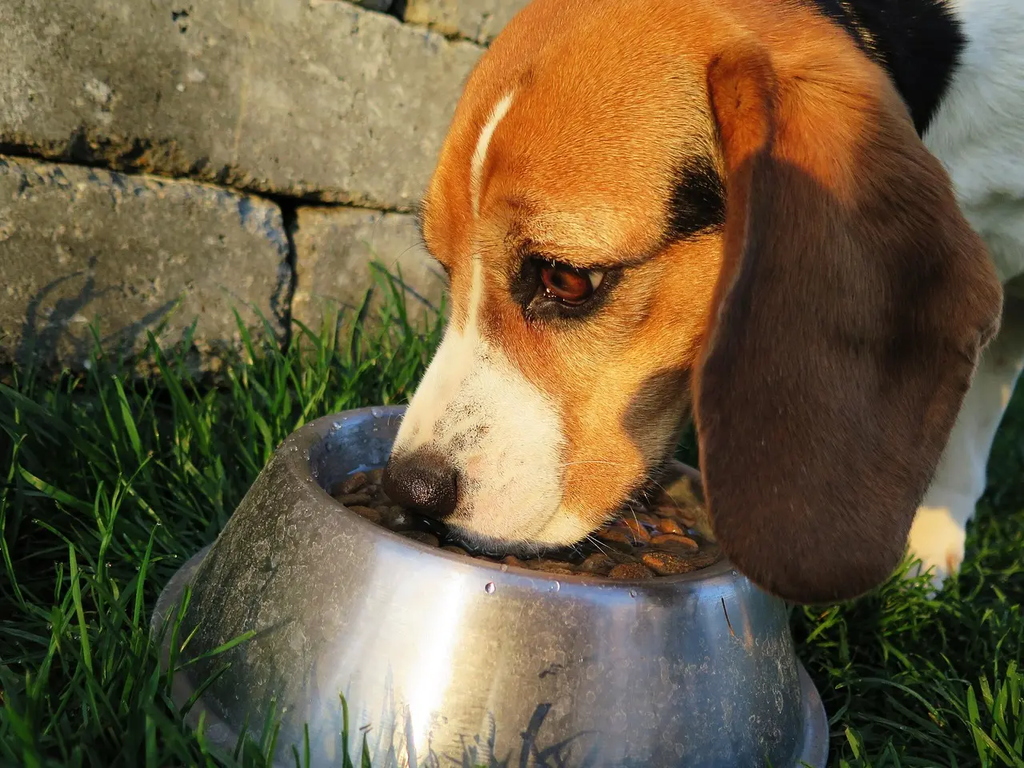
Biotechnology plays a significant role in enhancing dog nutrition by enabling the development of tailored diets that meet specific health needs. Through genetic research and advanced ingredient engineering, biotechnology helps create dog foods with improved digestibility, enhanced nutrient profiles, and targeted health benefits. It also supports the production of hypoallergenic diets and sustainable protein sources, ensuring dogs receive balanced, safe, and nutritious meals while reducing environmental impact.
The Role of Biotechnology in Dog Nutrition
Biotechnology plays a significant role in enhancing dog nutrition by enabling the development of tailored diets that meet specific health needs. Through genetic research and advanced ingredient engineering, biotechnology helps create dog foods with improved digestibility, enhanced nutrient profiles, and targeted health benefits. It also supports the production of hypoallergenic diets and sustainable protein sources, ensuring dogs receive balanced, safe, and nutritious meals while reducing environmental impact.
💡 Key Takeaways
- Understand how biotechnology produces dog nutrition ingredients (fermentation amino acids, algal omega-3s, probiotics).
- See how biotech ingredients can improve digestibility, nutrient absorption, and gut health in dogs.
- Learn common biotech-derived ingredients in dog foods (probiotics, enzymes, synthetic amino acids, algal DHA) and their benefits.
- Consider safety, ethics, regulation, and environmental impact of biotech-based ingredients in canine nutrition.
❓ Frequently Asked Questions
What does biotechnology mean in dog nutrition?
Biotechnology in dog nutrition uses living systems and bioprocesses (like fermentation and enzymes) to create or improve ingredients and additives that support health, digestion, and nutrient use.
What biotech-produced ingredients are commonly found in dog foods?
Examples include fermentation-made amino acids and vitamins, digestive enzymes, probiotic strains, and omega-3s from algal sources.
How can biotech help with a dog's digestion and nutrient absorption?
Enzymes improve breakdown of proteins, fats, and carbohydrates; probiotics support a healthy gut microbiome; prebiotics feed beneficial bacteria, enhancing overall nutrient uptake.
Are biotech ingredients safe for dogs?
Yes, when produced under proper safety testing and regulatory oversight; choose products from reputable brands and consult a veterinarian if your dog has allergies or sensitivities.