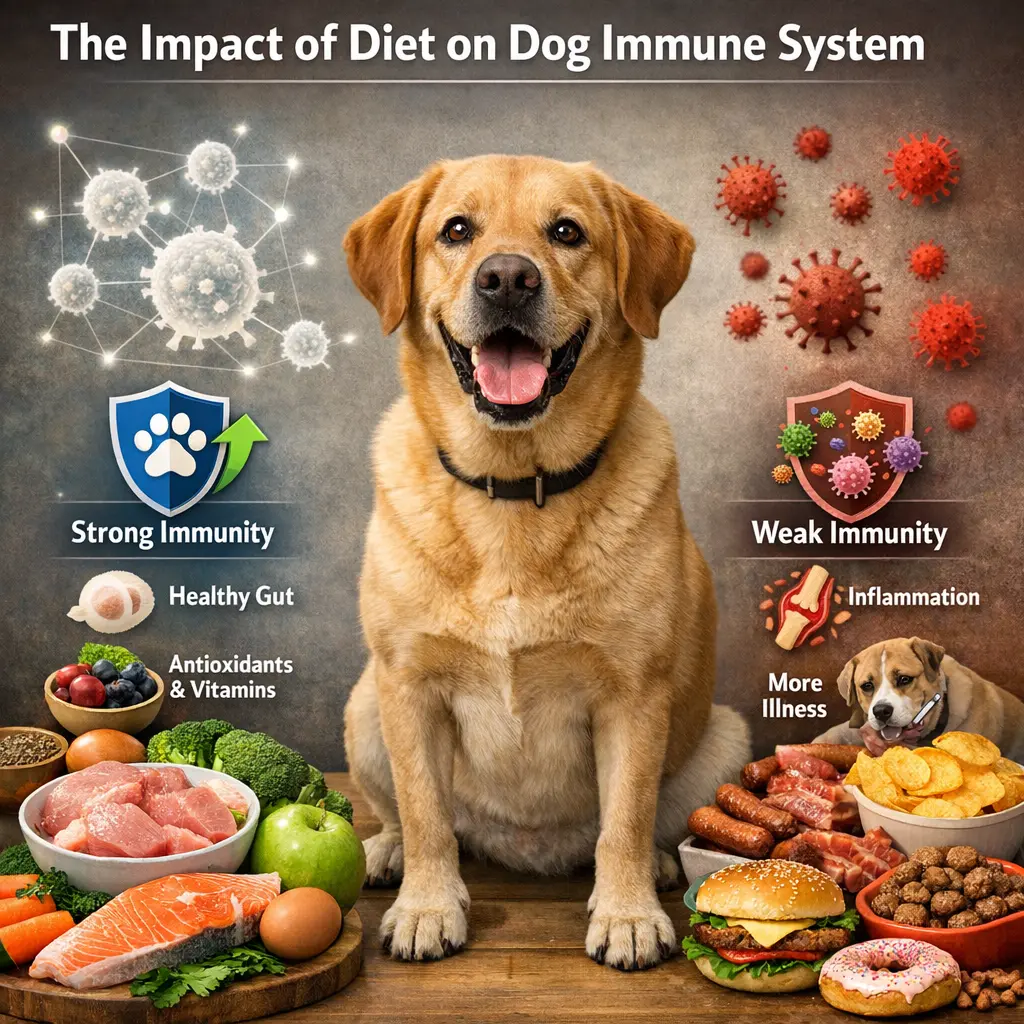
Epigenetics refers to changes in gene expression that do not alter the DNA sequence but are influenced by environmental factors, including diet. In dog nutrition, epigenetics plays a crucial role by affecting how a dog’s genes respond to various nutrients. Proper nutrition can activate or silence specific genes, impacting health, metabolism, immunity, and disease resistance. Understanding epigenetics helps in formulating diets that promote optimal health and longevity in dogs.
The Role of Epigenetics in Dog Nutrition
Epigenetics refers to changes in gene expression that do not alter the DNA sequence but are influenced by environmental factors, including diet. In dog nutrition, epigenetics plays a crucial role by affecting how a dog’s genes respond to various nutrients. Proper nutrition can activate or silence specific genes, impacting health, metabolism, immunity, and disease resistance. Understanding epigenetics helps in formulating diets that promote optimal health and longevity in dogs.

💡 Key Takeaways
- Understand how a dog's diet can influence gene activity via epigenetic mechanisms such as DNA methylation and histone modification.
- Identify nutrients and feeding practices that may support epigenetic changes (e.g., B vitamins, folate, choline, omega-3s) and balanced protein.
- Learn how early-life nutrition and maternal diet can program long-term health through epigenetic effects on metabolism and disease risk.
- Recognize the current limits of canine epigenetics research and that responses can vary; seek veterinary guidance for nutrition decisions.
❓ Frequently Asked Questions
What is epigenetics and why is it relevant to dog nutrition?
Epigenetics studies how gene activity can change without altering the DNA sequence. In dogs, what they eat can influence these gene-expression changes, potentially affecting growth, metabolism, and health.
How can a dog's diet influence epigenetic marks?
Nutrients involved in one-carbon metabolism (folate, choline, methionine, B vitamins) provide methyl groups that can modify DNA and histones. Energy balance and fatty acids can also affect epigenetic regulation.
Are there known effects of early-life nutrition on a dog’s epigenetics?
Emerging evidence suggests early nutrition can shape epigenetic patterns that influence long-term health, including weight and metabolism. More dog-focused research is ongoing.
Can epigenetic changes be reversed or altered by later diet in dogs?
Some epigenetic marks may be modifiable by lifestyle, including diet, but effects are tissue-specific and not fully predictable. A balanced, nutrient-adequate diet supports healthy gene regulation.
What practical dietary tips help support healthy epigenetic regulation in dogs?
Offer a complete, life-stage appropriate diet with adequate methyl-donor nutrients, avoid overfeeding, provide high-quality protein and essential fatty acids, and consult a veterinarian for breed-specific needs.