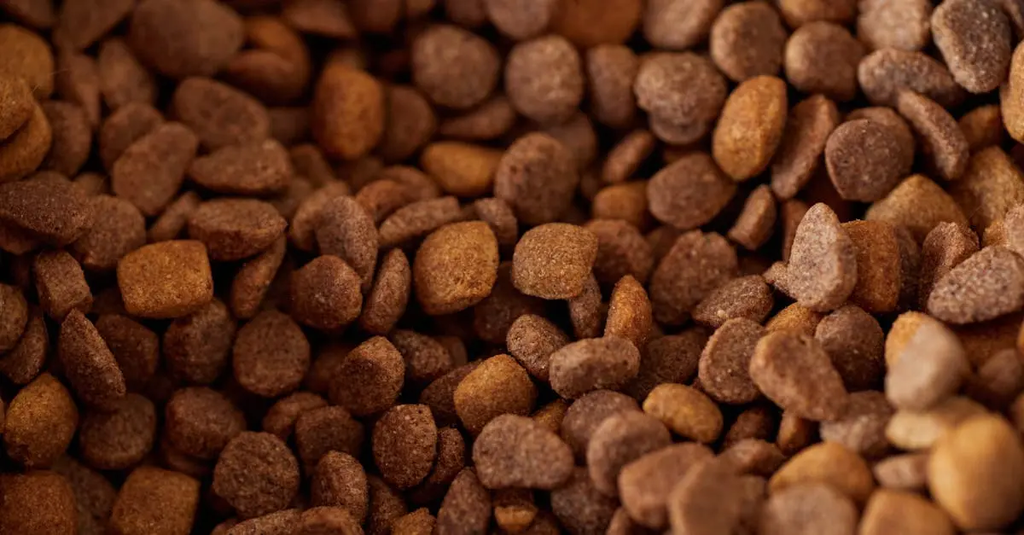
Trace elements are essential minerals required in small amounts for a dog’s health. They play crucial roles in various physiological processes, including immune function, enzyme activity, bone development, and metabolism. Key trace elements in a dog’s diet include zinc, copper, iron, selenium, and iodine. Deficiencies or excesses can lead to health problems, so it’s important for dog food to provide balanced levels of these nutrients to support overall well-being and prevent disease.
The Role of Trace Elements in Dog Diets
Trace elements are essential minerals required in small amounts for a dog’s health. They play crucial roles in various physiological processes, including immune function, enzyme activity, bone development, and metabolism. Key trace elements in a dog’s diet include zinc, copper, iron, selenium, and iodine. Deficiencies or excesses can lead to health problems, so it’s important for dog food to provide balanced levels of these nutrients to support overall well-being and prevent disease.

💡 Key Takeaways
- Identify what trace elements are and why they matter in a dog's nutrition.
- Learn the key trace minerals for dogs (e.g., zinc, copper, selenium, iodine, iron) and their roles in health.
- Recognize signs of deficiency or excess and how diet changes or veterinary guidance can help.
- Understand how to balance trace elements in commercial versus homemade diets and how to read product labels.
- Know when to consult a veterinarian or veterinary nutritionist for supplementation or testing.
❓ Frequently Asked Questions
What are trace elements in dog diets?
Trace elements are minerals needed in small amounts for health and metabolism, including zinc, iron, copper, selenium, iodine, and manganese.
What roles do common trace elements play in a dog's body?
Zinc supports skin/coat and immunity; iron carries oxygen in blood; copper helps iron use and connective tissue; selenium acts as an antioxidant; iodine supports thyroid hormone production; manganese aids metabolism and bone development.
How can I ensure my dog gets the right amounts of trace elements?
Feed a complete, balanced dog food that meets AAFCO standards; avoid extra supplements unless advised by a veterinarian; for homemade diets, consult a veterinary nutritionist to balance minerals.
What are signs of trace element deficiencies or excesses in dogs?
Deficiencies may show as skin problems or hair loss (zinc), fatigue or pale gums (iron), or poor growth (iodine). Excesses can cause GI upset, lethargy, or organ damage (e.g., copper toxicity in susceptible dogs; zinc toxicity).