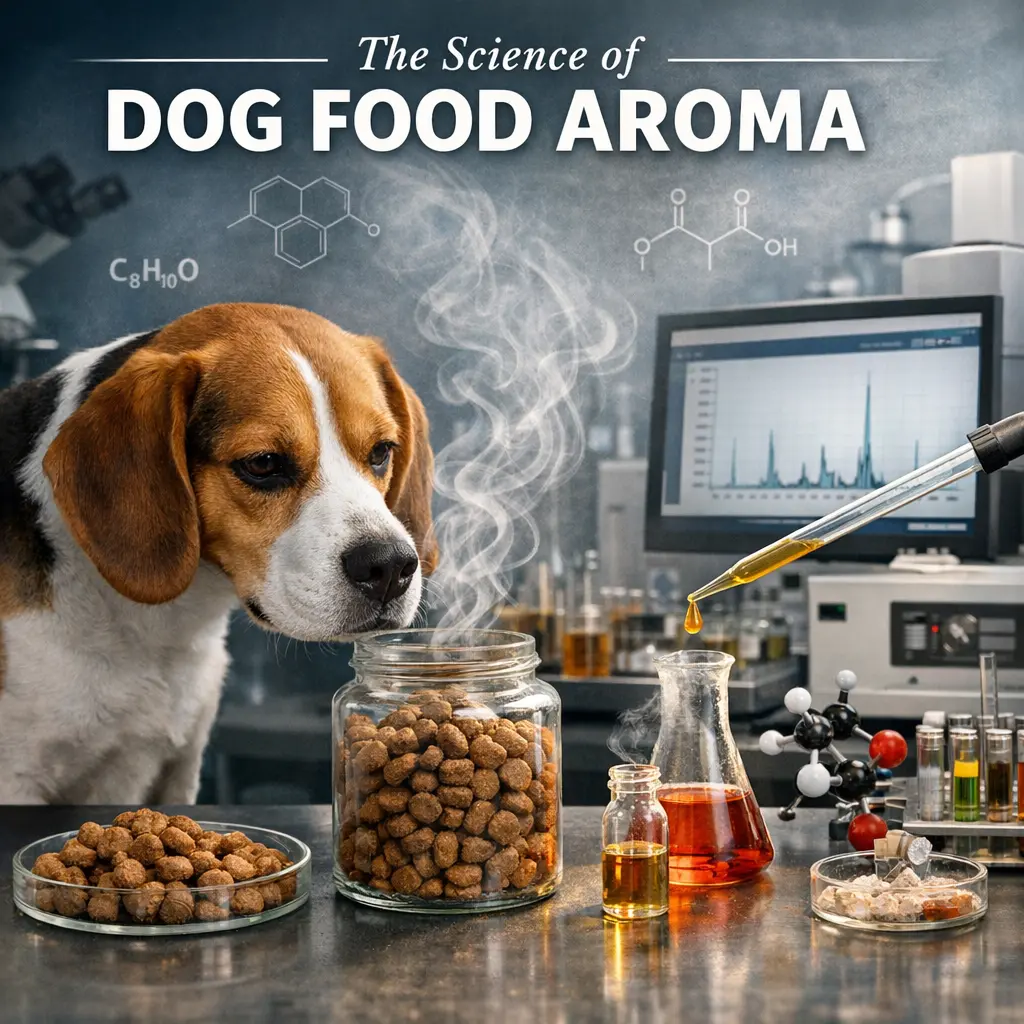
The science of dog food aroma explores how scent influences a dog’s eating behavior and diet preferences. Dogs have an acute sense of smell, far superior to humans, making aroma a key factor in food acceptance. Pet food manufacturers study which scents are most appealing to dogs, often enhancing flavors with specific ingredients. Understanding dog food aroma helps ensure nutritional diets are also palatable, encouraging healthy eating habits and overall well-being in dogs.
The Science of Dog Food Aroma
The science of dog food aroma explores how scent influences a dog’s eating behavior and diet preferences. Dogs have an acute sense of smell, far superior to humans, making aroma a key factor in food acceptance. Pet food manufacturers study which scents are most appealing to dogs, often enhancing flavors with specific ingredients. Understanding dog food aroma helps ensure nutritional diets are also palatable, encouraging healthy eating habits and overall well-being in dogs.
💡 Key Takeaways
- Understand that volatile aroma compounds drive dog food scent and that dogs perceive odors differently from humans.
- Identify common aroma contributors in dog foods (meat, poultry, fish, fat) and how processing alters them.
- Explain how processing and formulation (roasting, extrusion, moisture, fat levels) affect aroma retention and release.
- Explore how aroma influences a dog's appetite and feeding behavior.
❓ Frequently Asked Questions
What factors contribute to the aroma of dog food?
Aroma comes from volatile compounds released by fats, proteins, carbohydrates, and processing steps like extrusion or drying. Storage can cause oxidation, creating off-odors, while moisture and temperature affect how strongly the aroma is released.
How do dogs' senses of smell differ from humans, and why does that matter for dog food aroma?
Dogs have about 300 million olfactory receptors and a larger olfactory bulb, so they detect aromas far more vividly than humans. This makes aroma a key driver of canine palatability.
Why does serving dog food warm affect aroma and appetite?
Warming increases the volatility of aroma compounds, making the food smell stronger and more enticing to dogs, which can boost appetite.
What is the difference between aroma and flavor for dogs?
Aroma is the smell detected by the nose from volatile compounds. Flavor combines aroma with taste and retronasal perception, shaping how dogs experience the food.