The Science of Dog Food Molecular Gastronomy explores how advanced cooking techniques and scientific principles are applied to canine nutrition. By analyzing the molecular structure of ingredients, this approach aims to optimize nutrient absorption, flavor, and texture in dog food. It combines culinary innovation with veterinary science to create meals that are both appealing and healthful for dogs, ensuring balanced diets tailored to their unique physiological needs.
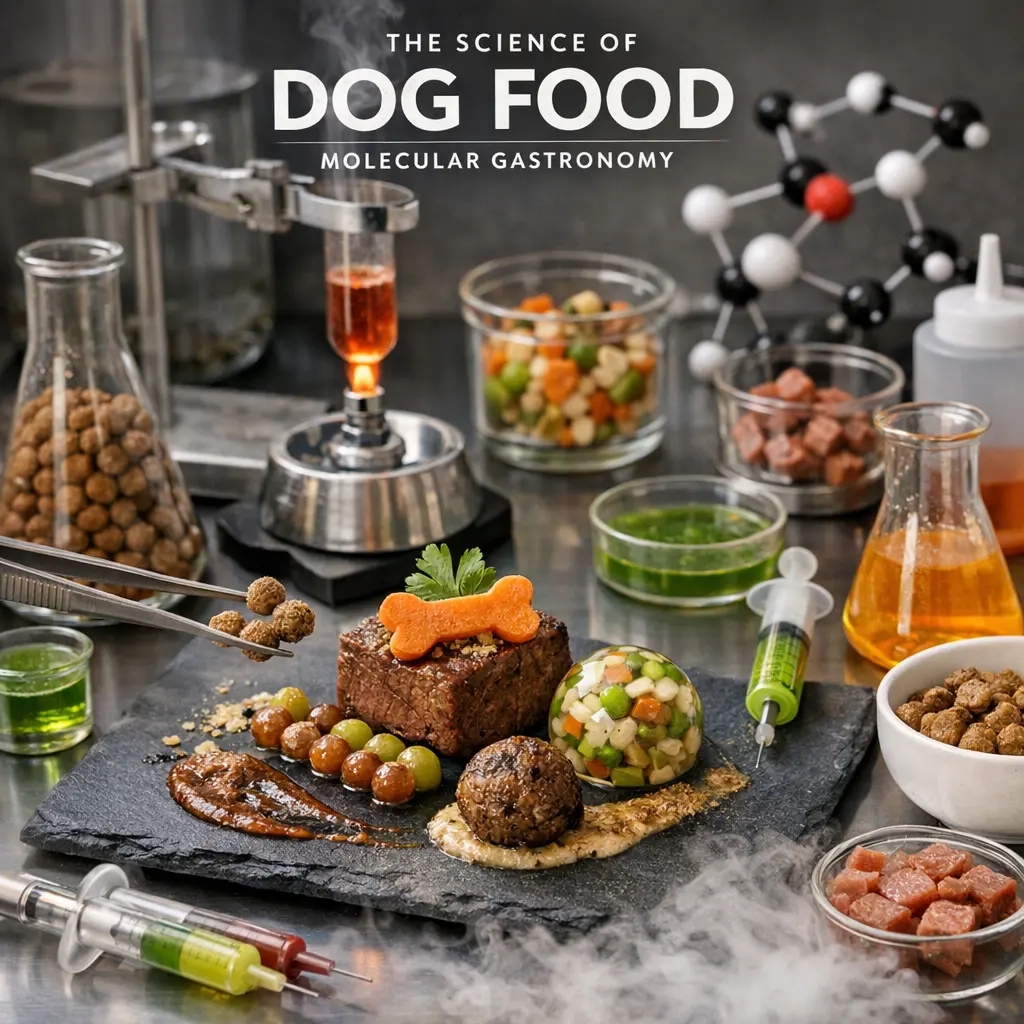
The Science of Dog Food Molecular Gastronomy
The Science of Dog Food Molecular Gastronomy explores how advanced cooking techniques and scientific principles are applied to canine nutrition. By analyzing the molecular structure of ingredients, this approach aims to optimize nutrient absorption, flavor, and texture in dog food. It combines culinary innovation with veterinary science to create meals that are both appealing and healthful for dogs, ensuring balanced diets tailored to their unique physiological needs.
💡 Key Takeaways
- Understand how molecular gastronomy concepts influence texture, aroma, and flavor in dog foods.
- Learn how ingredients and processing impact nutrition, safety, and palatability for dogs.
- Compare dog food formats (kibble, canned, and alternatives) through science-based views on moisture, texture, and shelf life.
- Explore how researchers study canine taste and smell to optimize acceptance of dog foods.
❓ Frequently Asked Questions
What is molecular gastronomy and how does it relate to dog food?
Molecular gastronomy studies how heat, moisture, and ingredients transform texture and flavor. In dog food, these ideas help optimize texture, palatability, and nutrient delivery during processing like extrusion while staying safe for dogs.
How does extrusion processing affect dog kibble's texture and nutrition?
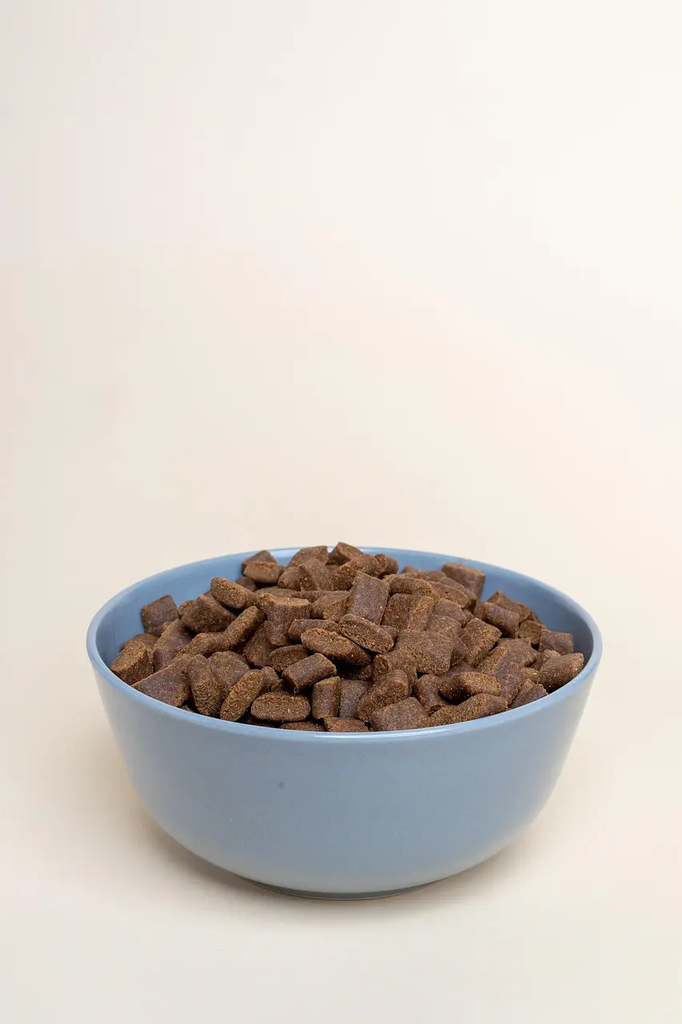
Extrusion uses heat and pressure to cook and shape kibble, gelatinizing starches and denaturing proteins. This influences texture, digestibility, moisture retention, and shelf life.
Why is protein quality important in dog food?
Dogs rely on essential amino acids; high-quality animal proteins are typically more digestible and support muscle and health. Protein source choice can affect palatability and allergy risk.
What is palatability testing and why does it matter?
Palatability testing measures which flavors, aromas, and textures dogs prefer, guiding formulations so meals are eaten readily and meet nutritional needs.